About the Sanctuary
A Collaborative Effort
Working together to protect the Río Maipo Wetland
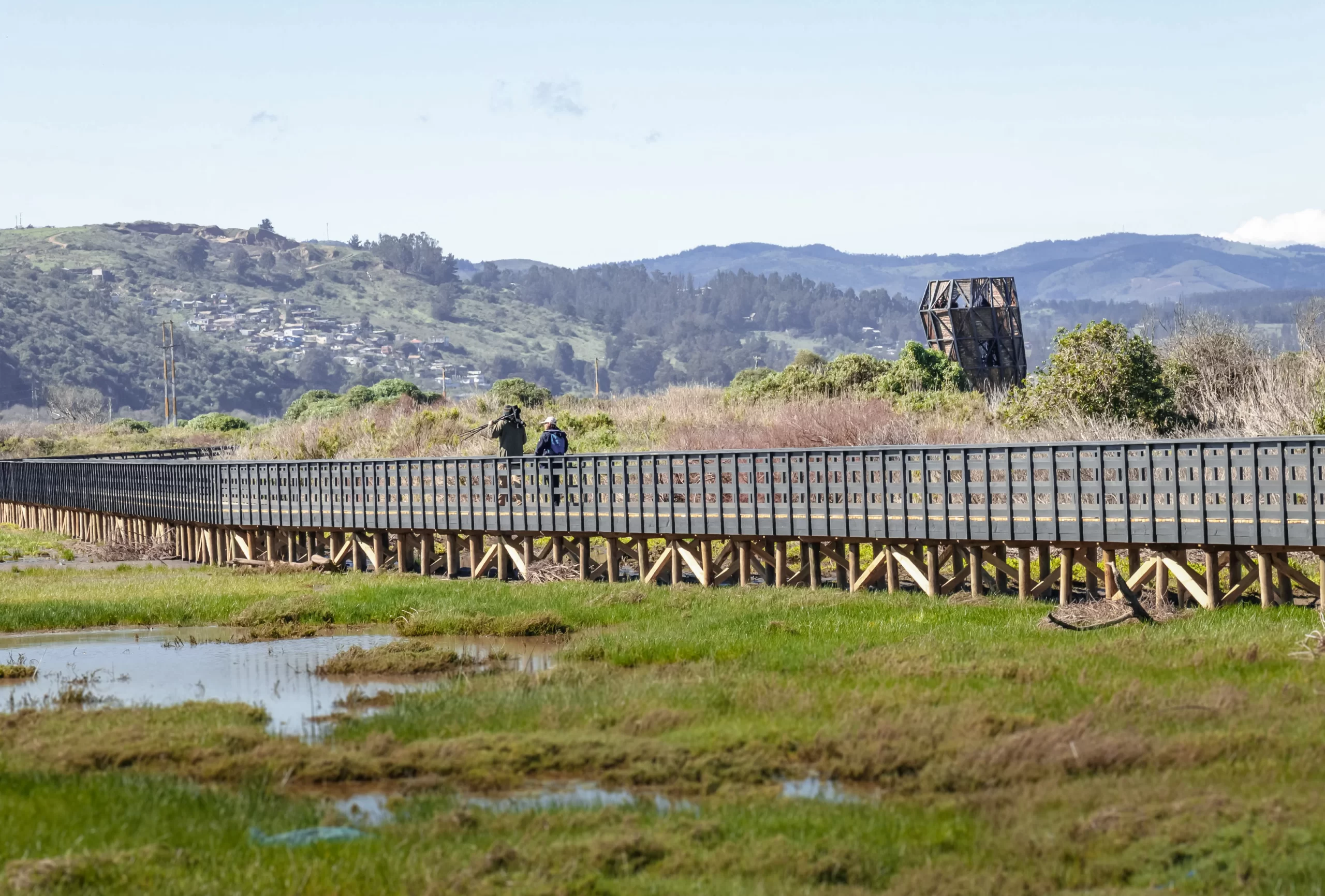
This protected area was established in 2020 to conserve 60.3 hectares at the estuary of the Río Maipo, within the communes of Santo Domingo and San Antonio, in the Province of San Antonio. This distinctive landscape, where lagoons, dunes, and beaches meet, forms an estuarine ecosystem of exceptional ecological richness. The sanctuary provides vital habitats for diverse species of birds, fish, and other wildlife, while holding deep ecological and cultural significance for local communities.
The Río Maipo Wetland Nature Sanctuary was made possible through more than twenty years of collective commitment. In response to the area’s environmental degradation, local organizations, communities, municipalities, and individuals joined forces to safeguard this unique territory. Over the years, numerous conservation and environmental education initiatives have been implemented, including the creation of the Ribera Sur Nature Park (2002) in the commune of Santo Domingo and the ongoing efforts of MUSA, the Museum of Natural and Historical Heritage of San Antonio, to promote the ecological and cultural value of the wetland.
Fundación Cosmos is the sanctuary’s managing organization, designated by the Ministry of the Environment, with the mission to conserve its biodiversity, restore its habitats, and protect its ecosystem functions, essential for both people and wildlife. The long-term protection of this area is possible only through the active participation and collaboration of the local community.
Inauguration of the Greenhouse and Community Nursery
2025Implementation of the Wetland Restoration Innovation Laboratory (LIRH)
2025Inauguration of the Rayador Lookout
2024A 1 km universally accessible walking trail has been completed in the park
2024Launch of the Interactive Museum Tour and the "Birds Without Borders" Kiosk
2023Launch of the Socio-ecological Restoration Program to restore 3 hectares of degraded land in the Sanctuary.
2023Inauguration of the Zarapito Lookout
2021Establishment of the First Advisory Group for the Governance of the Sanctuary
2021Fundación Cosmos assumes management of the protected area
2020The Río Maipo Wetland Nature Sanctuary (SNHRM) is officially declared a protected area
2020Submission of the Sanctuary designation application to the Ministry of the Environment
2019Inauguration of the Siete Colores Lookout.
2019Transfer of the Park’s management to Fundación Cosmos under a commodatum agreement
2018Signing of the collaboration agreement between Fundación Cosmos and the IMSD for the design of infrastructure for the Park
2014Signing of the collaboration agreement between Fundación Cosmos and the Municipality of Santo Domingo (IMSD) for the design of the Park’s infrastructure
2002Opening of the San Antonio Natural and Historical Museum (MUSA), the first official step toward valuing the estuary’s cultural and natural heritage
1980Governance
The Río Maipo Wetland Nature Sanctuary is managed by Fundación Cosmos, in collaboration with the Ministry of the Environment. Its management follows a participatory governance model that brings together municipalities, social organizations, academic institutions, productive sectors, and local communities.
This collaborative structure operates through specialized committees with distinct roles: an Executive Committee, responsible for key decisions; a Multi-sectoral Advisory Group, which provides technical and strategic guidance; and an Operational Committee, which monitors and supports the implementation of management processes.
This governance model seeks to ensure inclusive and transparent administration, fostering shared responsibility for the conservation of this unique ecosystem and the protection of its ecological, cultural, and social values within the Province of San Antonio.
Sanctuary Team
The Río Maipo Wetland Nature Sanctuary is supported by a dedicated team of park rangers who play a vital role in implementing management programs, maintaining park infrastructure, and overseeing activities within the protected area. They work in close communication with local communities to ensure the sanctuary’s effective care and long-term stewardship.
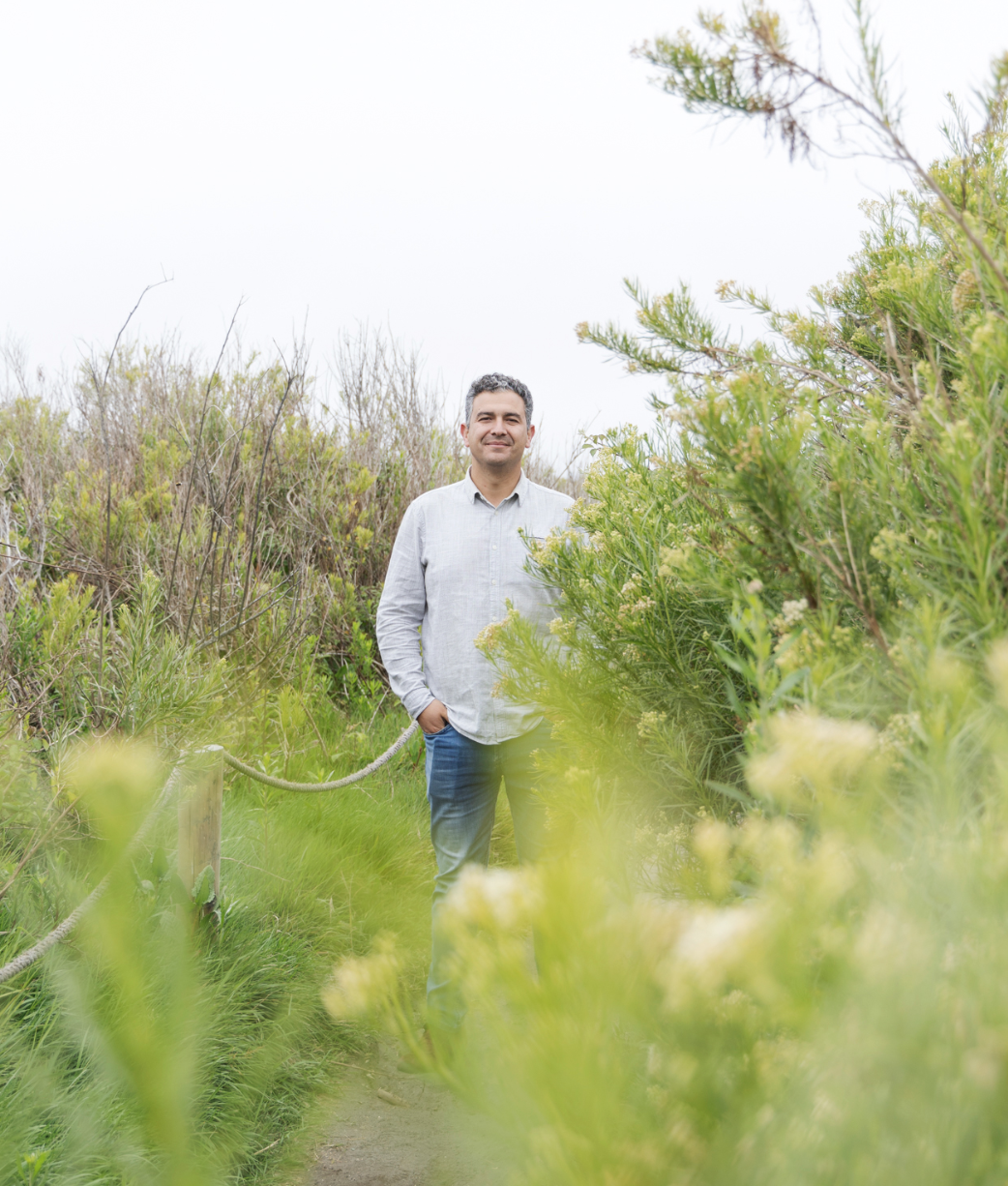
Ignacio Ascuí
Regional Coordinator of Fundación Cosmos
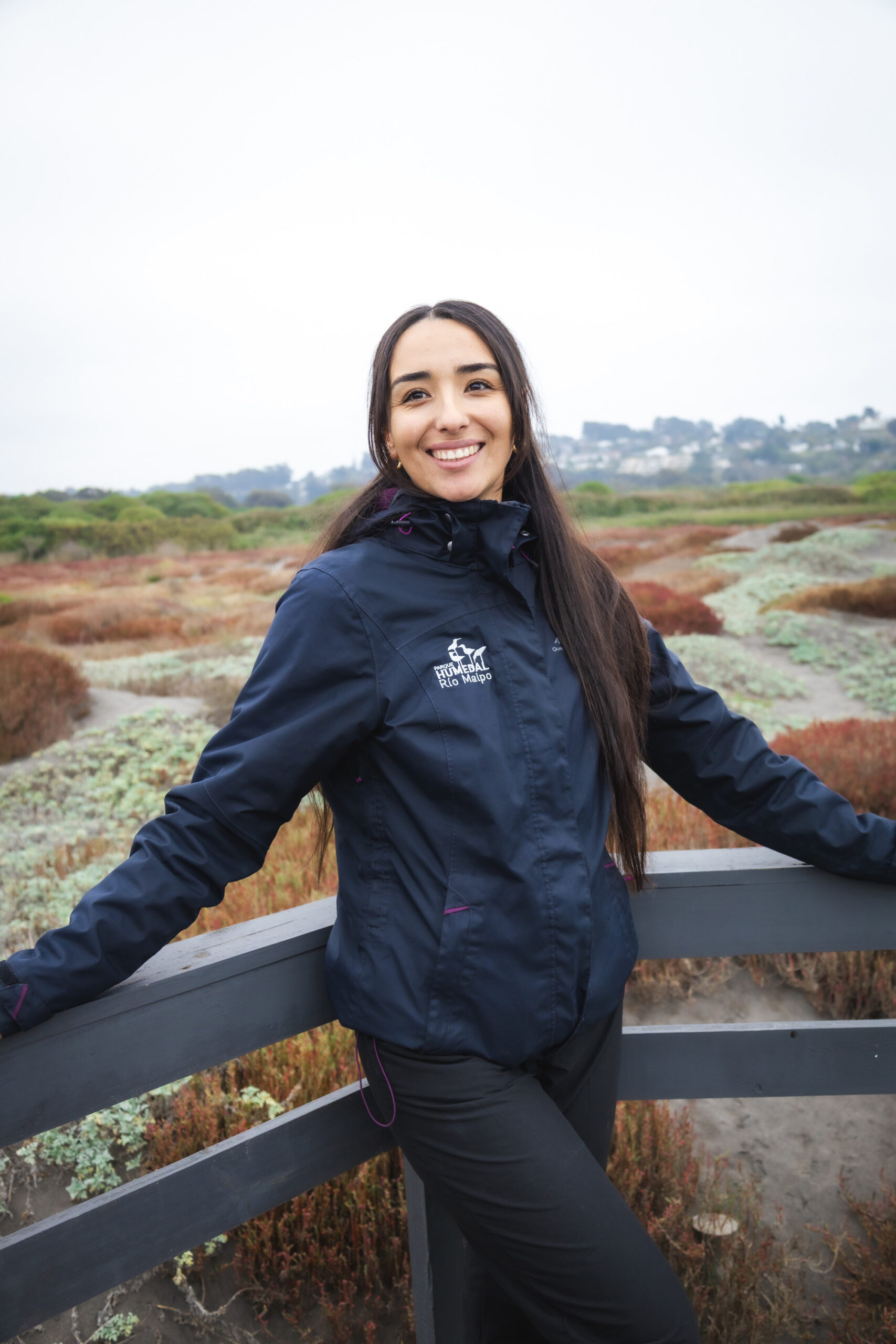
Sarai Iglesias
Park Ranger
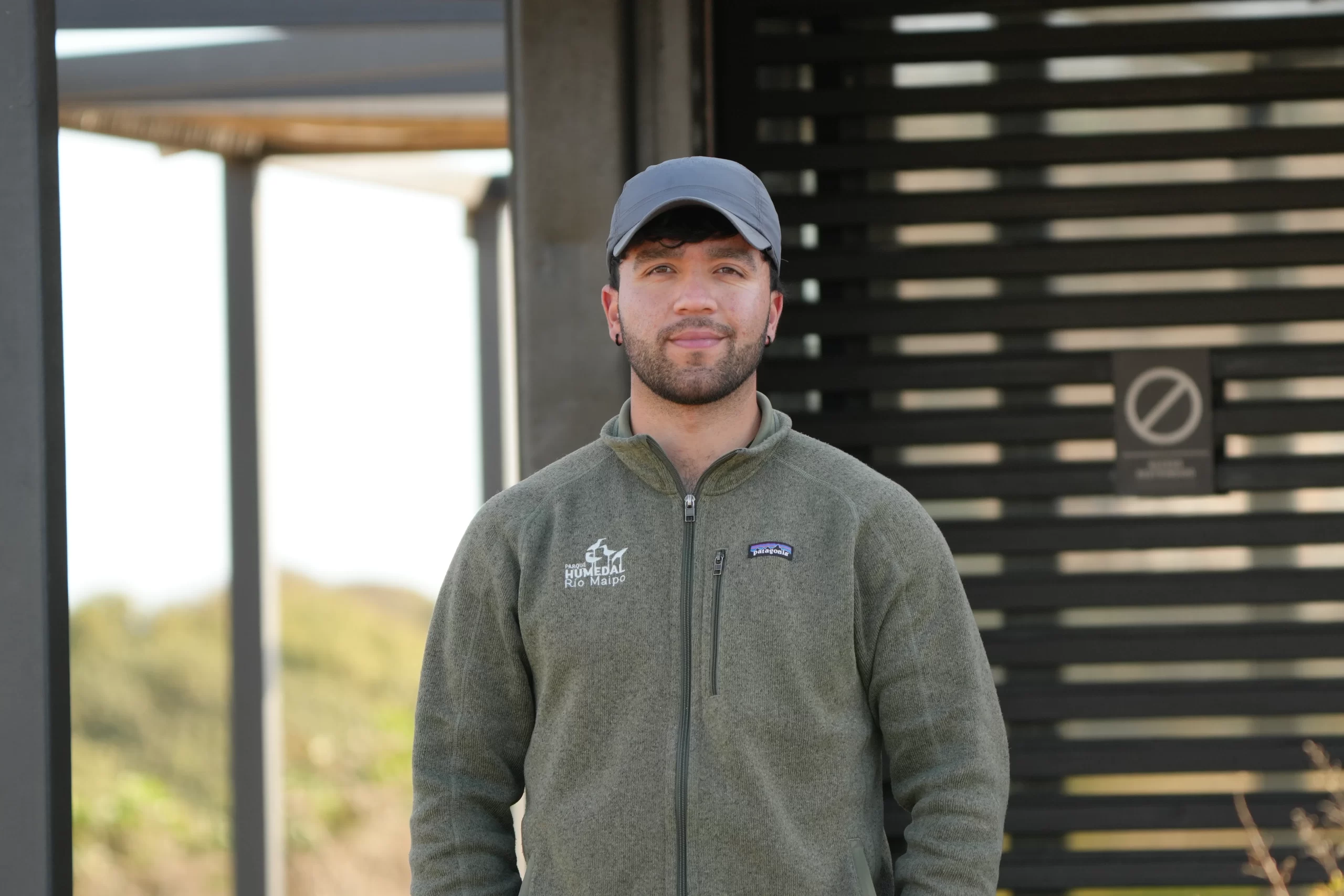
José Pablo Pavez
Park Ranger
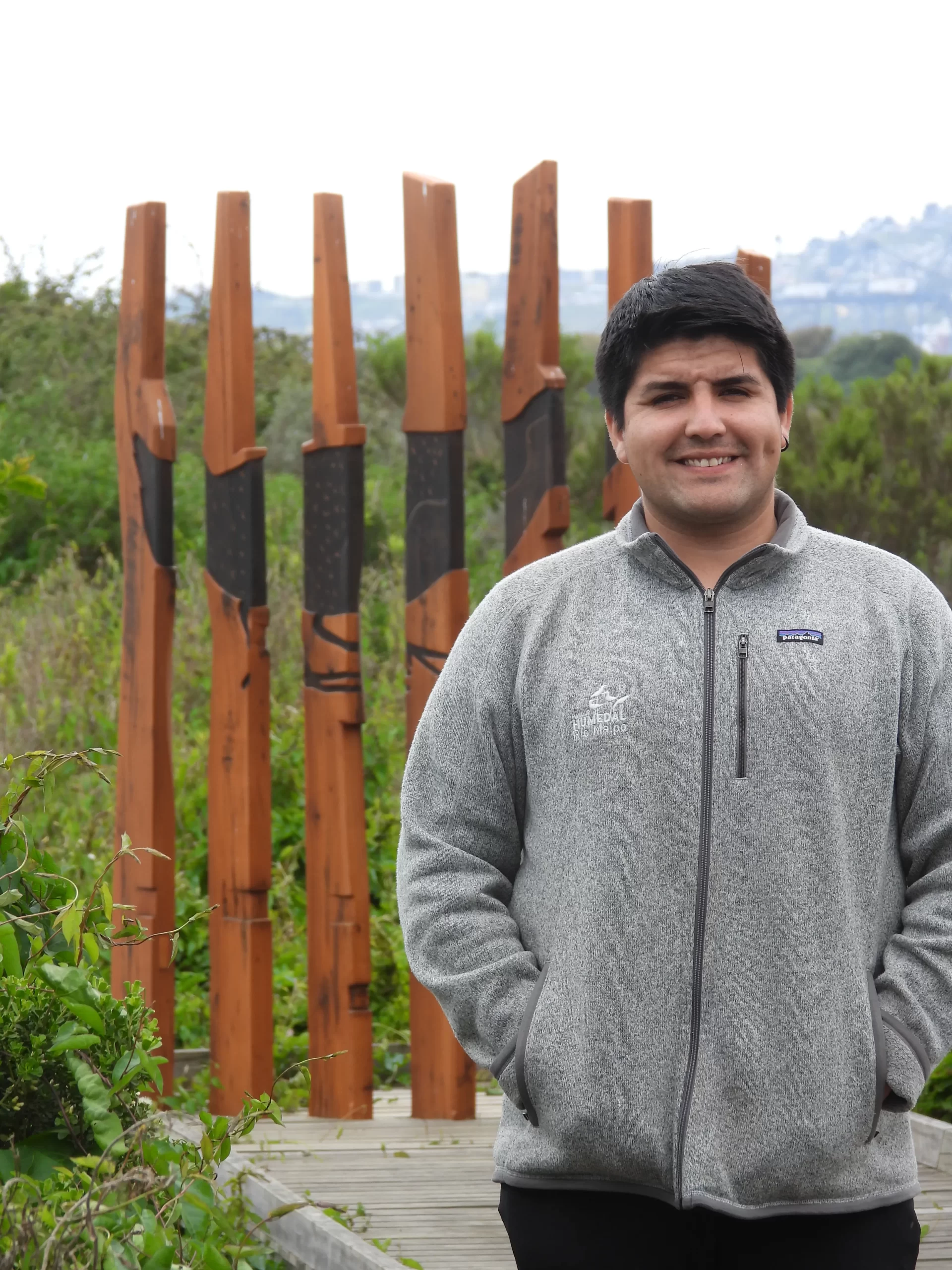
Matías Maulén Park Ranger
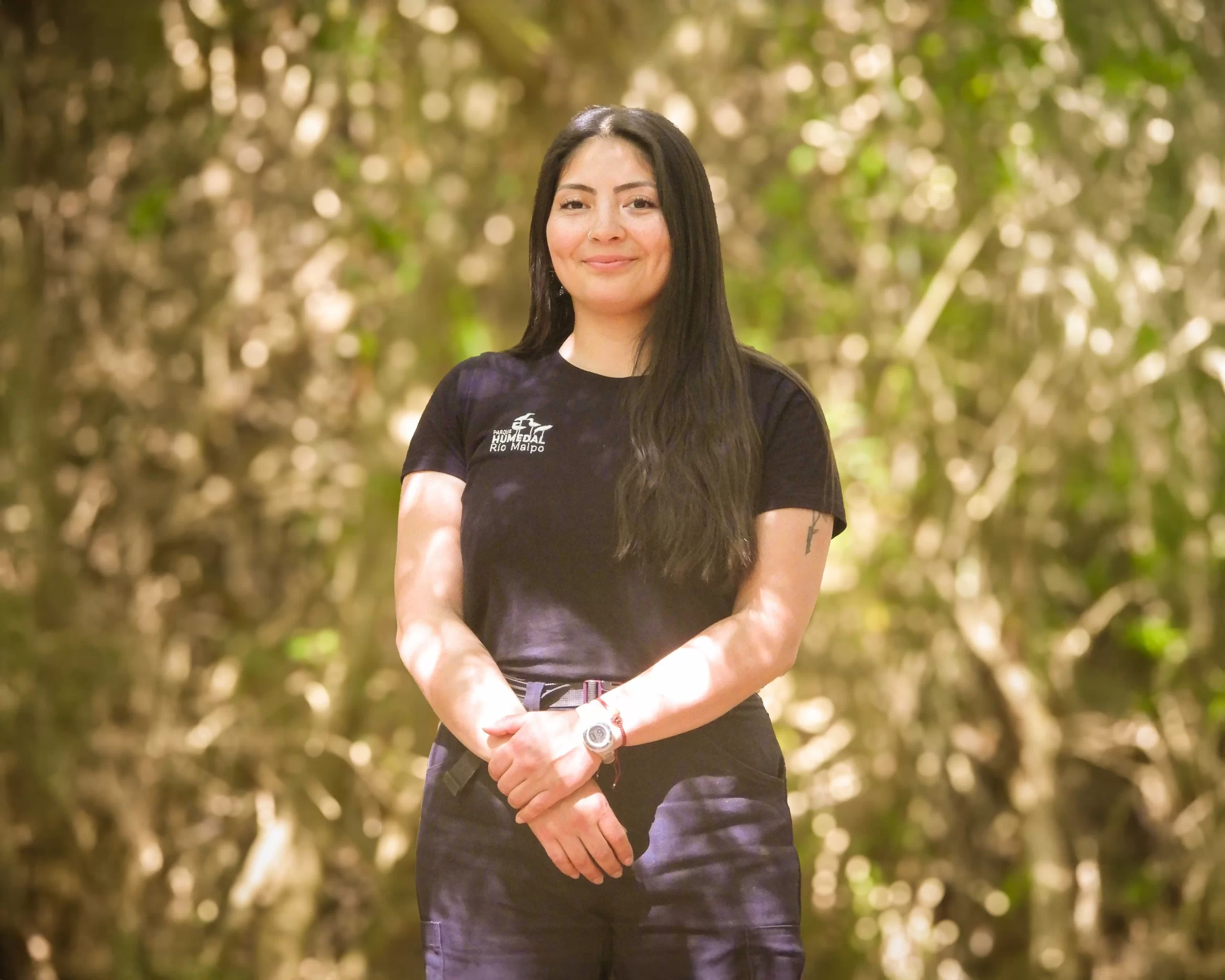
Yennifer Segura
Park Ranger
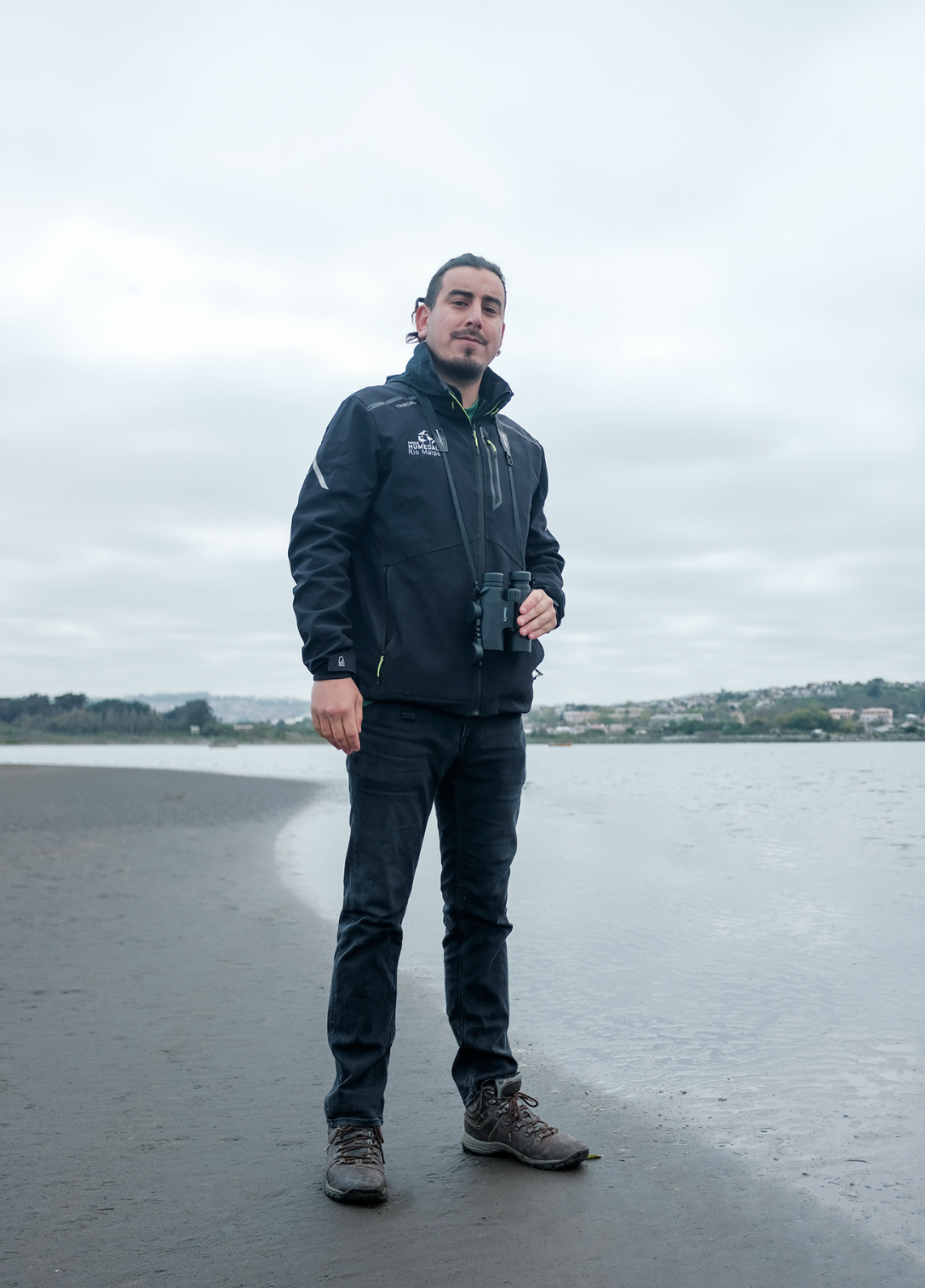
Pablo Soto
Park Ranger