Explore the Sanctuary
Infrastructure
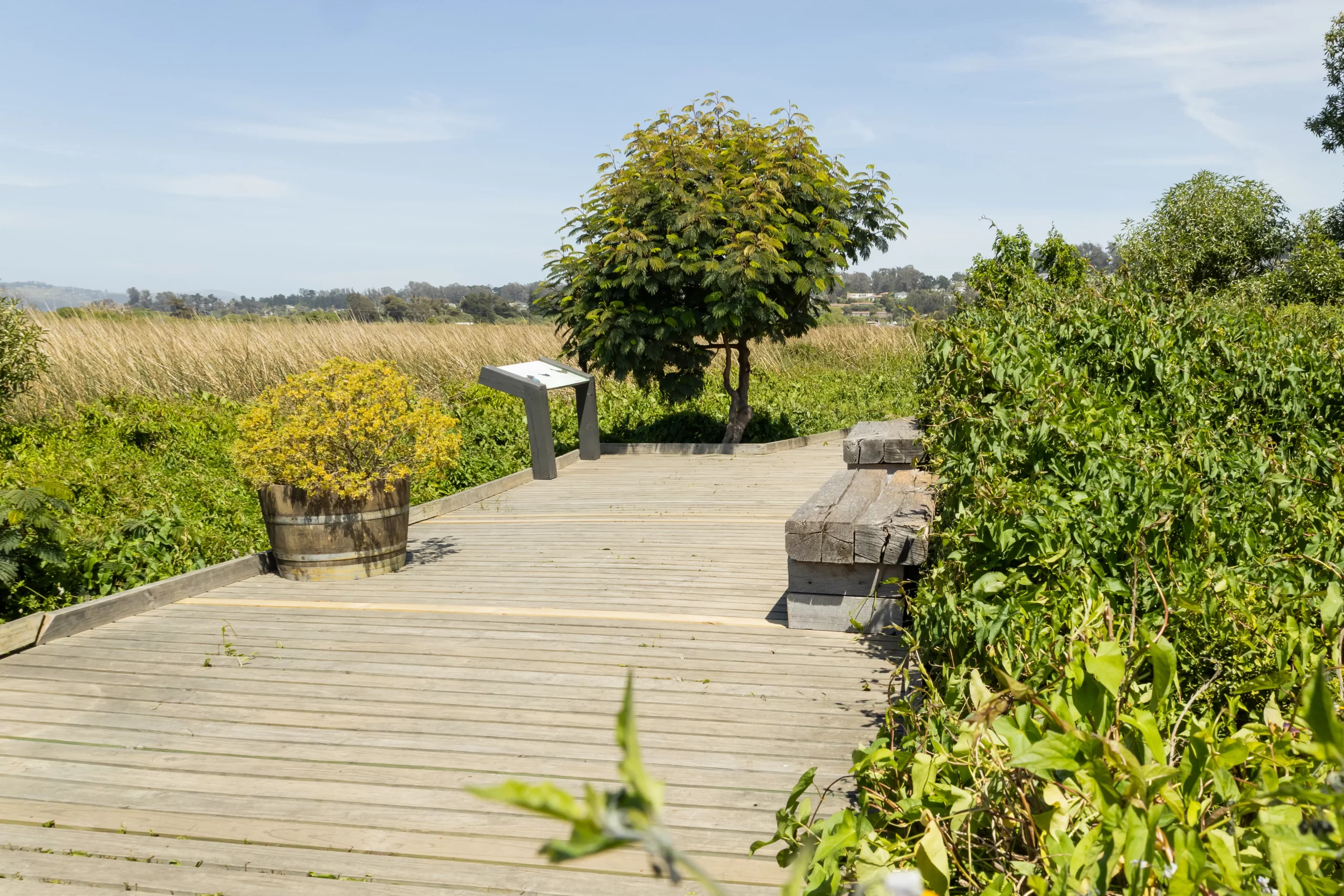
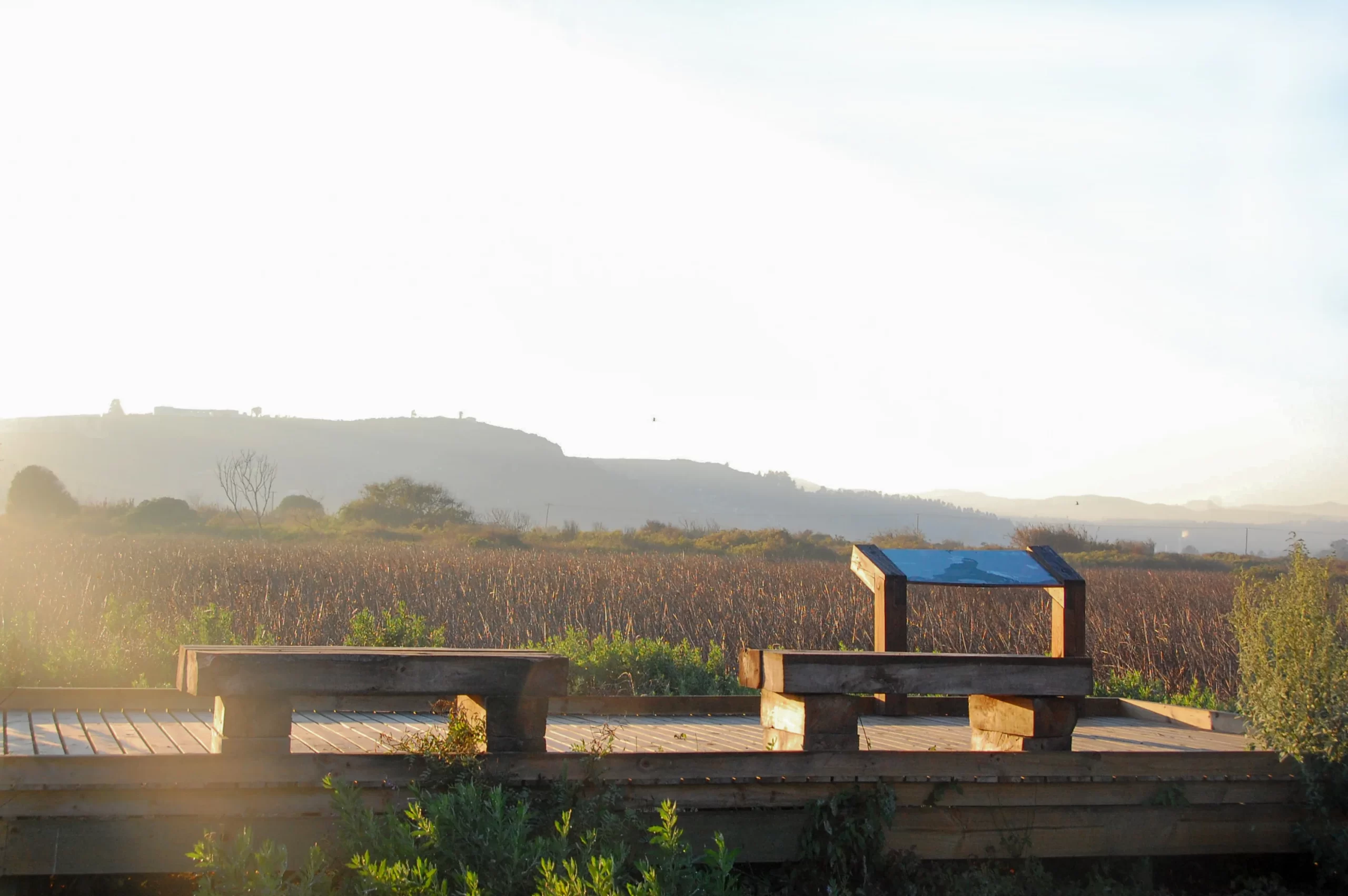
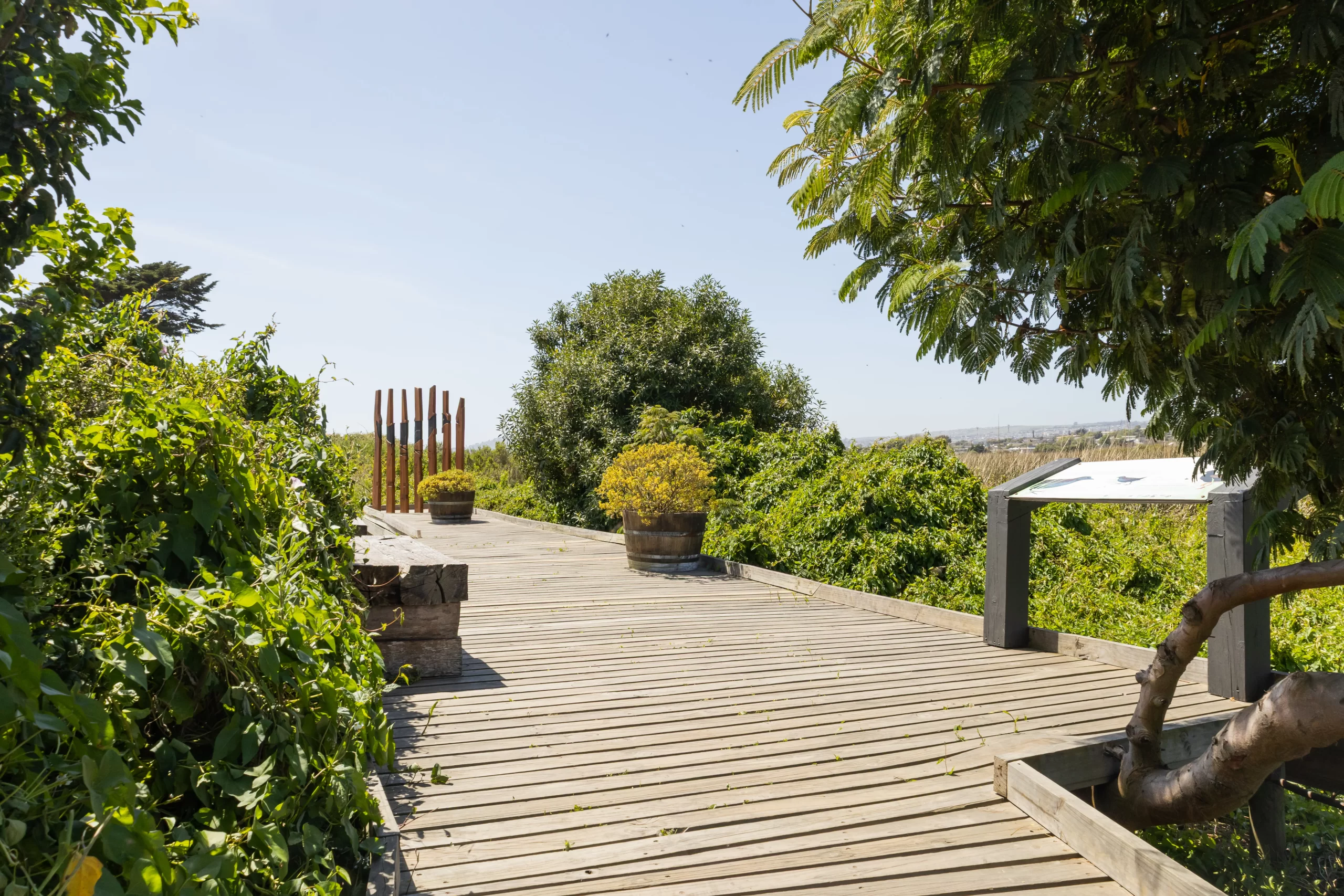
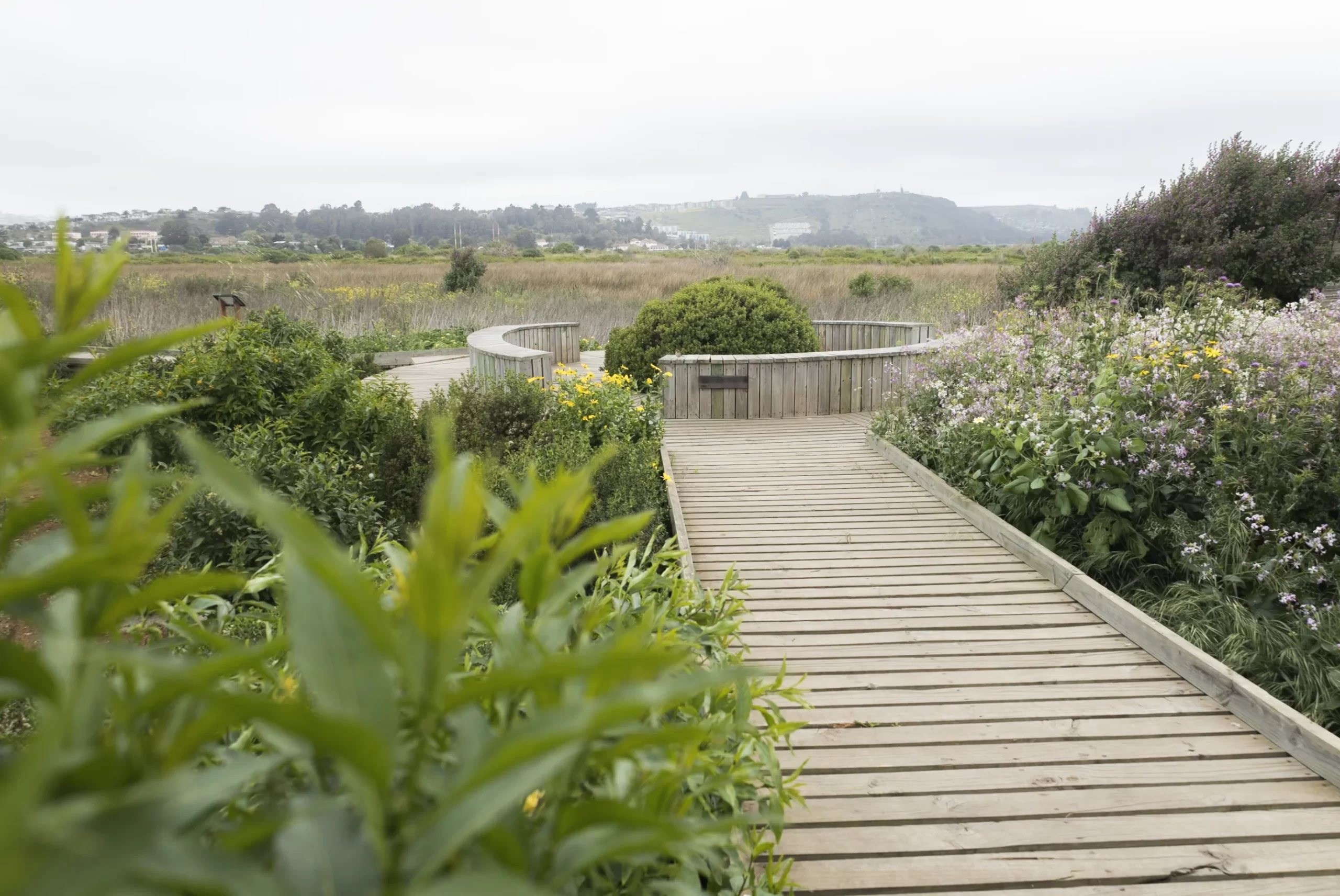
The Río Maipo Wetland Nature Sanctuary features a range of low-impact infrastructure designed to provide an accessible, educational, and immersive experience with the natural and cultural heritage of the Maipo River estuary. Currently, the park section within the sanctuary includes one kilometer of walkways that ensure universal accessibility, along with six viewpoints that offer panoramic views of the area’s main habitats.
Walkways for accessibility and conservation
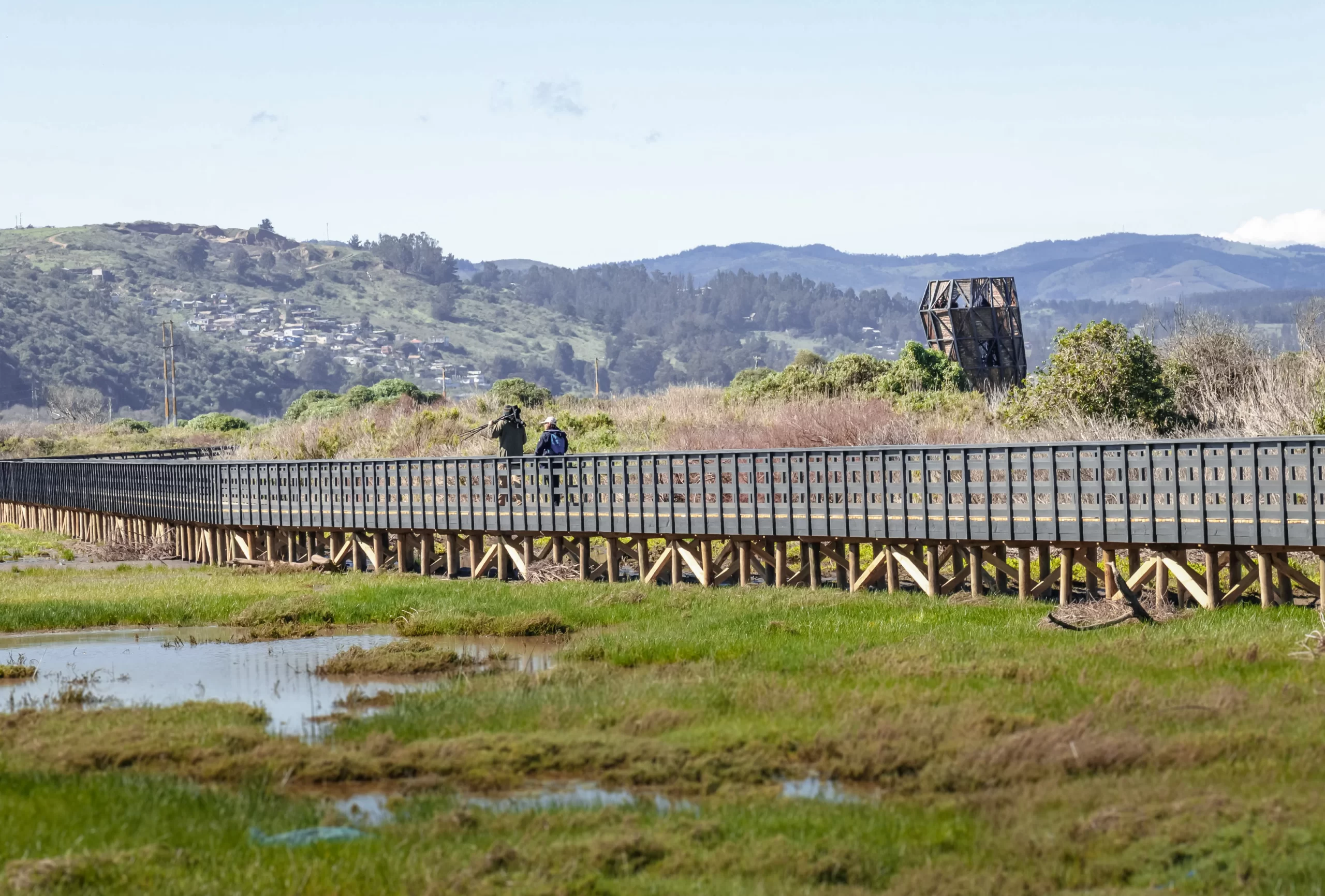
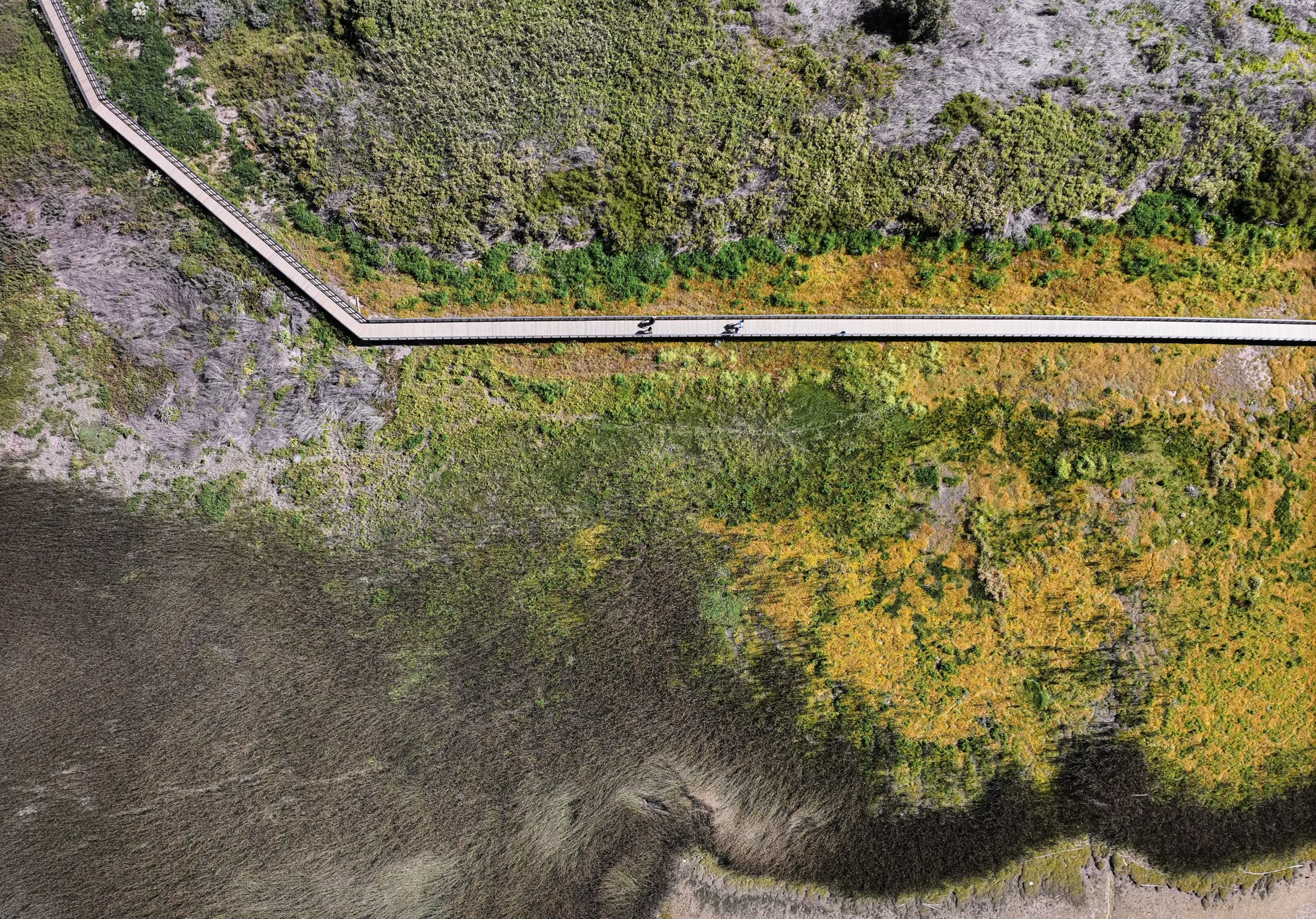
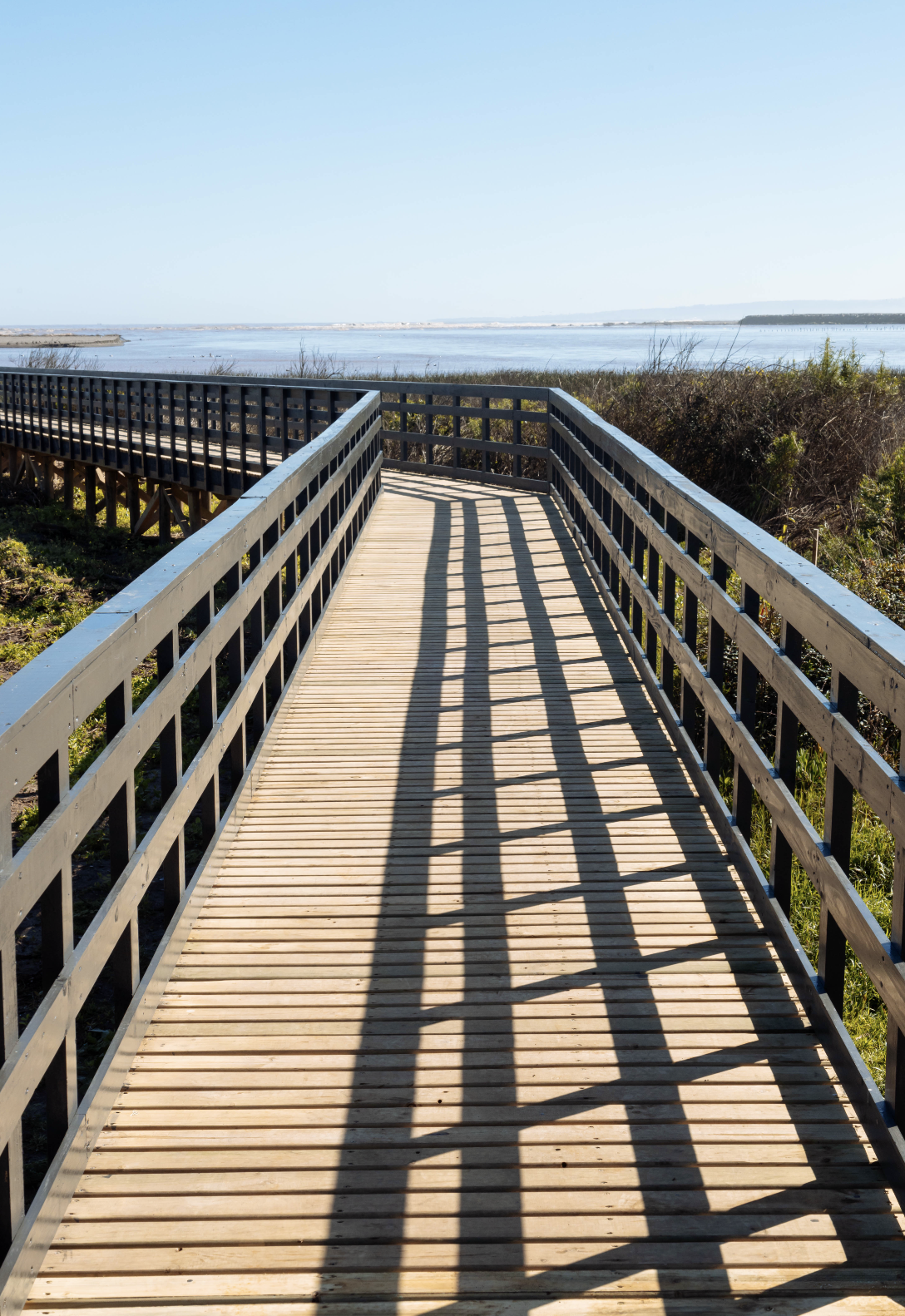
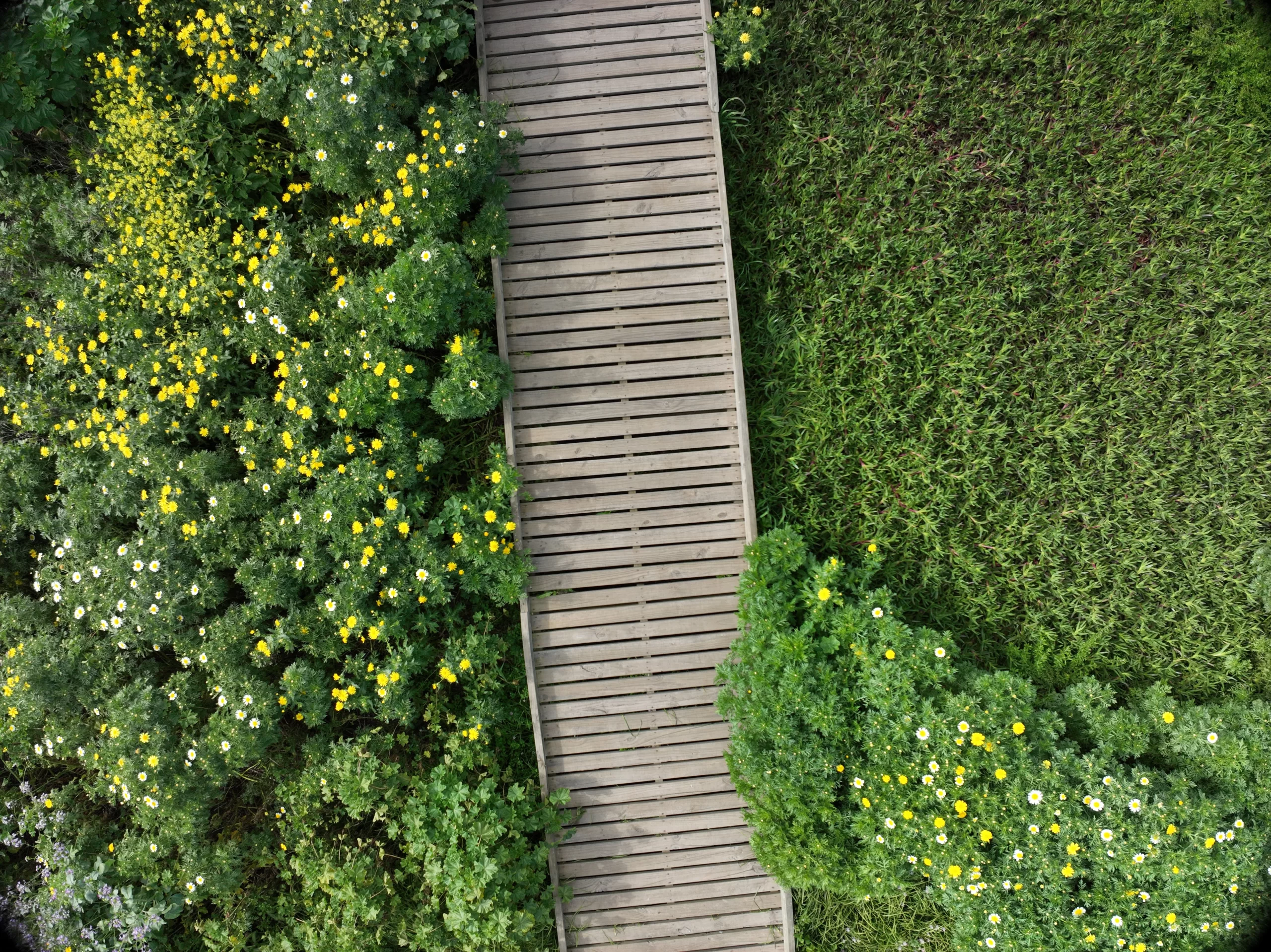
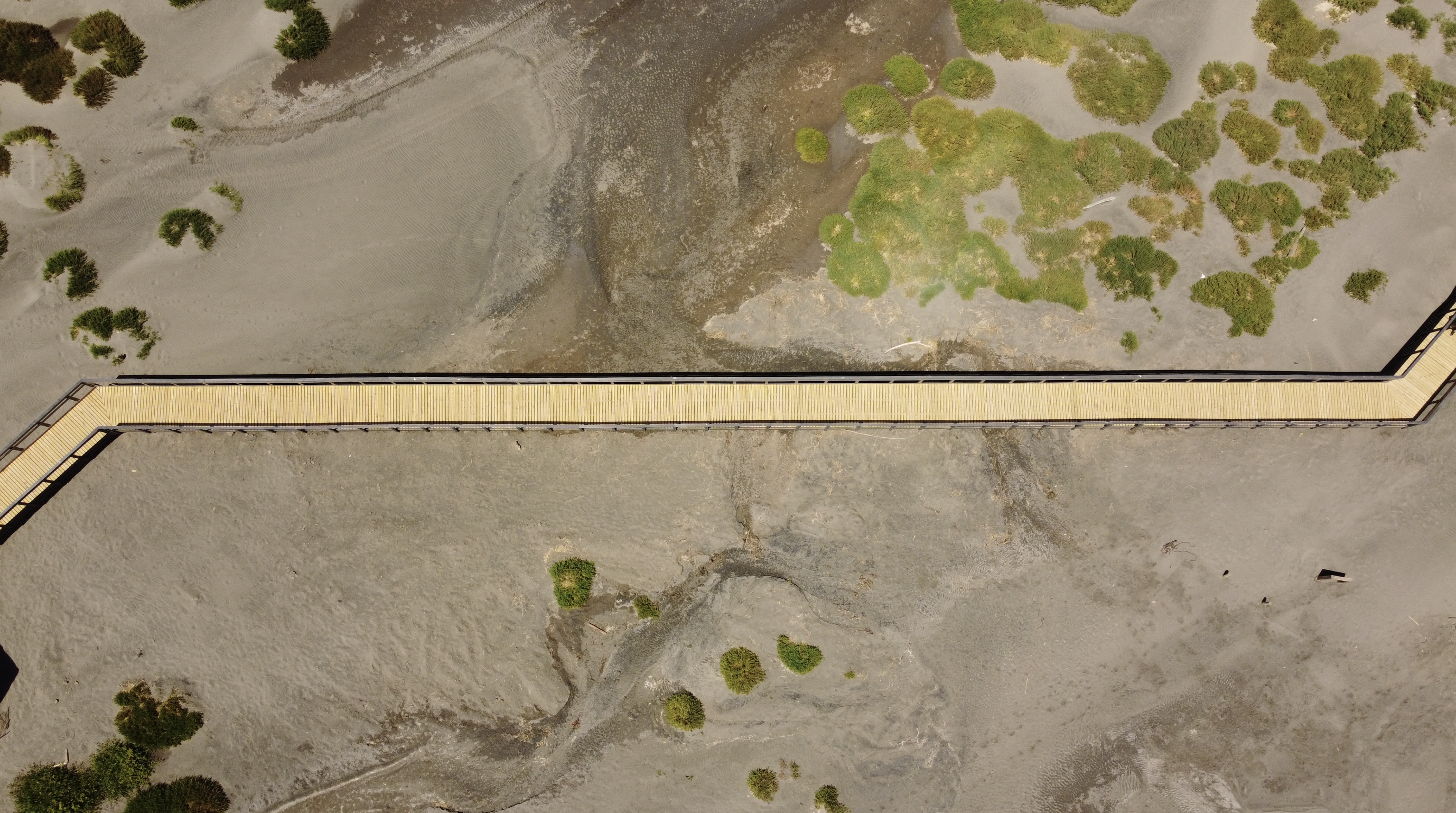
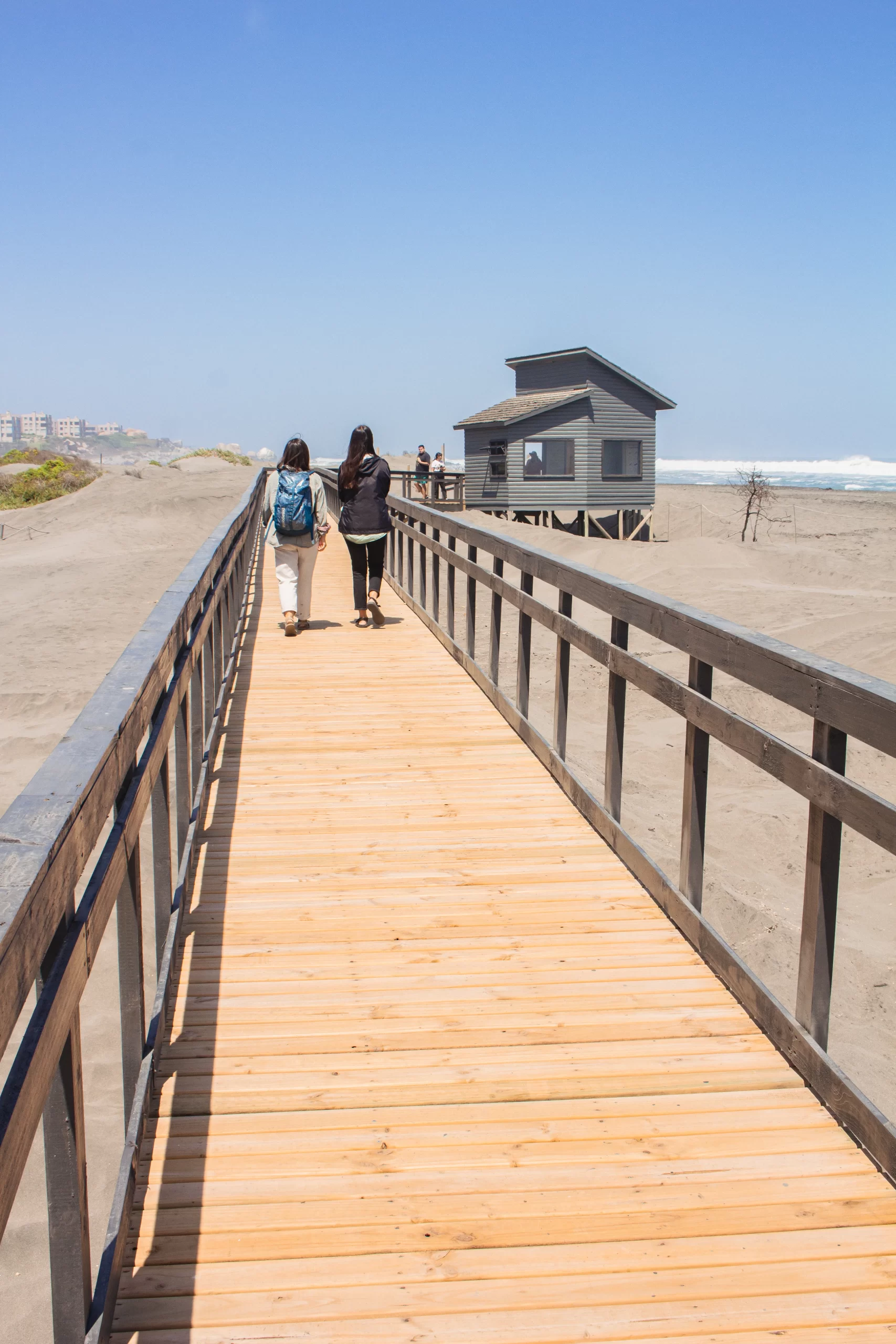
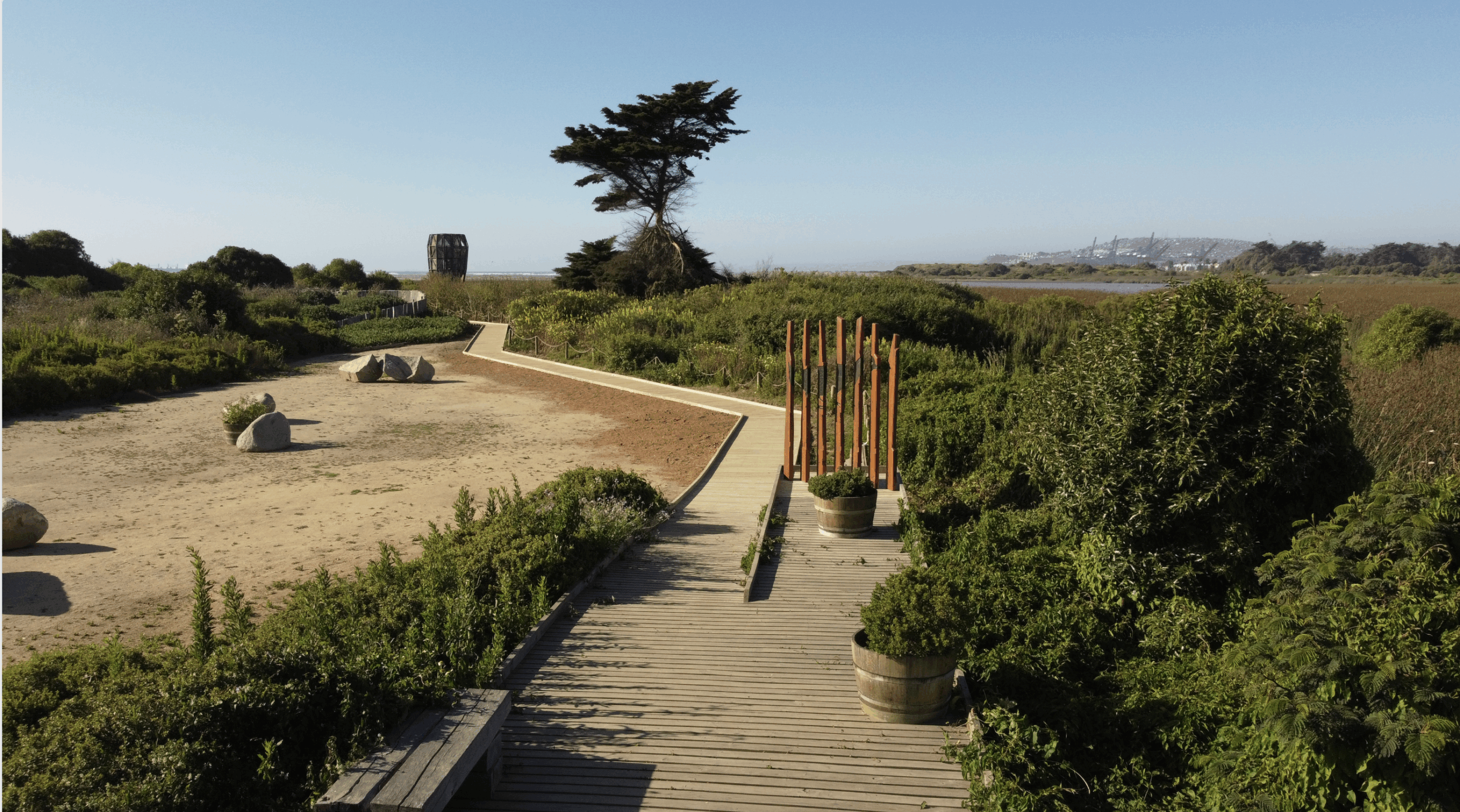
The walkways create a network of elevated paths that allow visitors to explore the Sanctuary while respecting the natural environment. Designed for accessibility and direct interaction with the wetland’s biodiversity, these structures play a critical role in conservation. They minimize soil disturbance and support the growth and movement of native flora and fauna.
In addition to providing a safe and comfortable experience for visitors of all ages, the walkways serve as platforms for observation and interpretation of the landscape. From these vantage points, visitors can appreciate the ecological richness of the estuary, connecting various viewpoints and points of interest throughout the park. This infrastructure not only enhances the visitor experience but also fosters environmental education and strengthens the community’s connection to nature.

Siete Colores Observation Tower
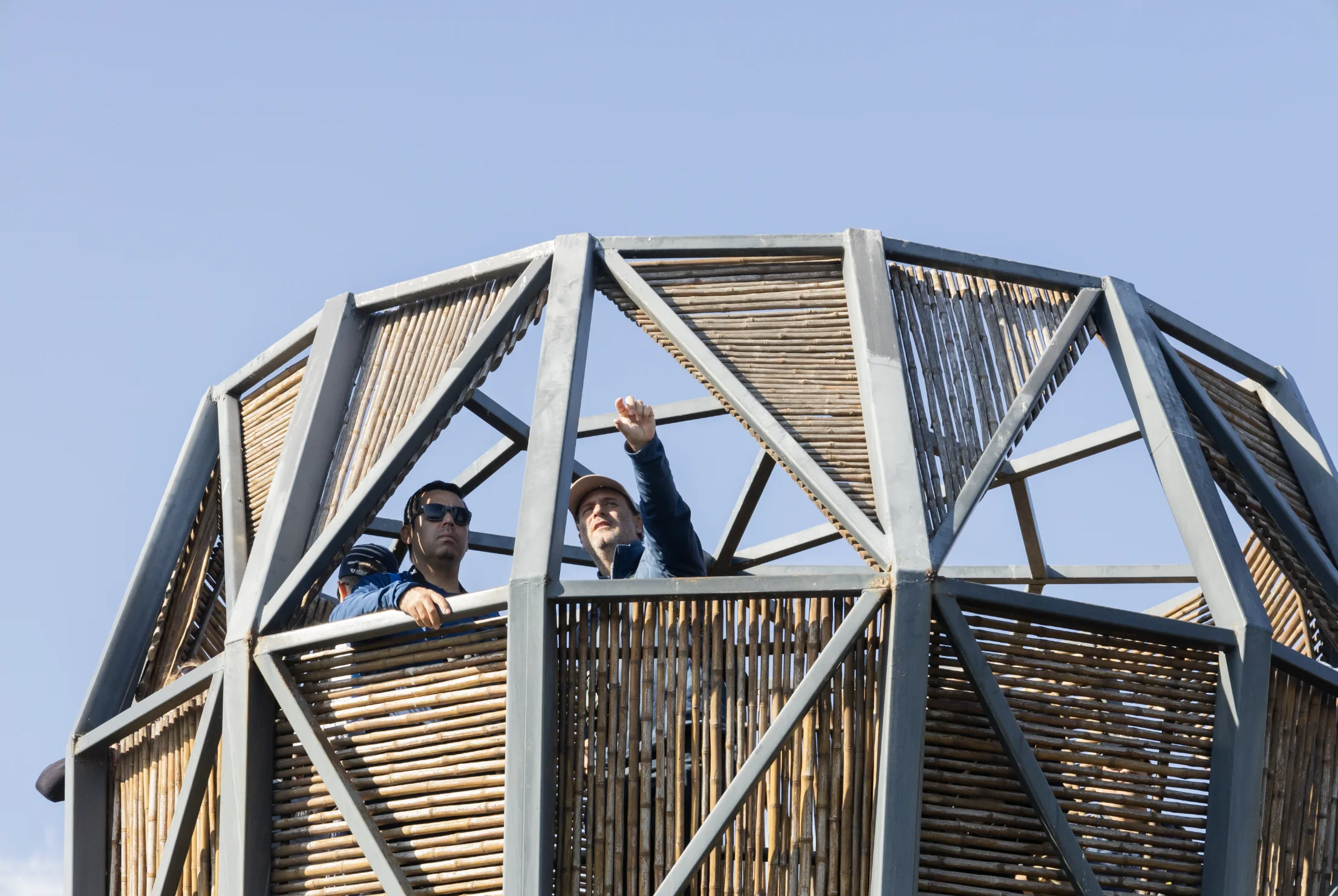
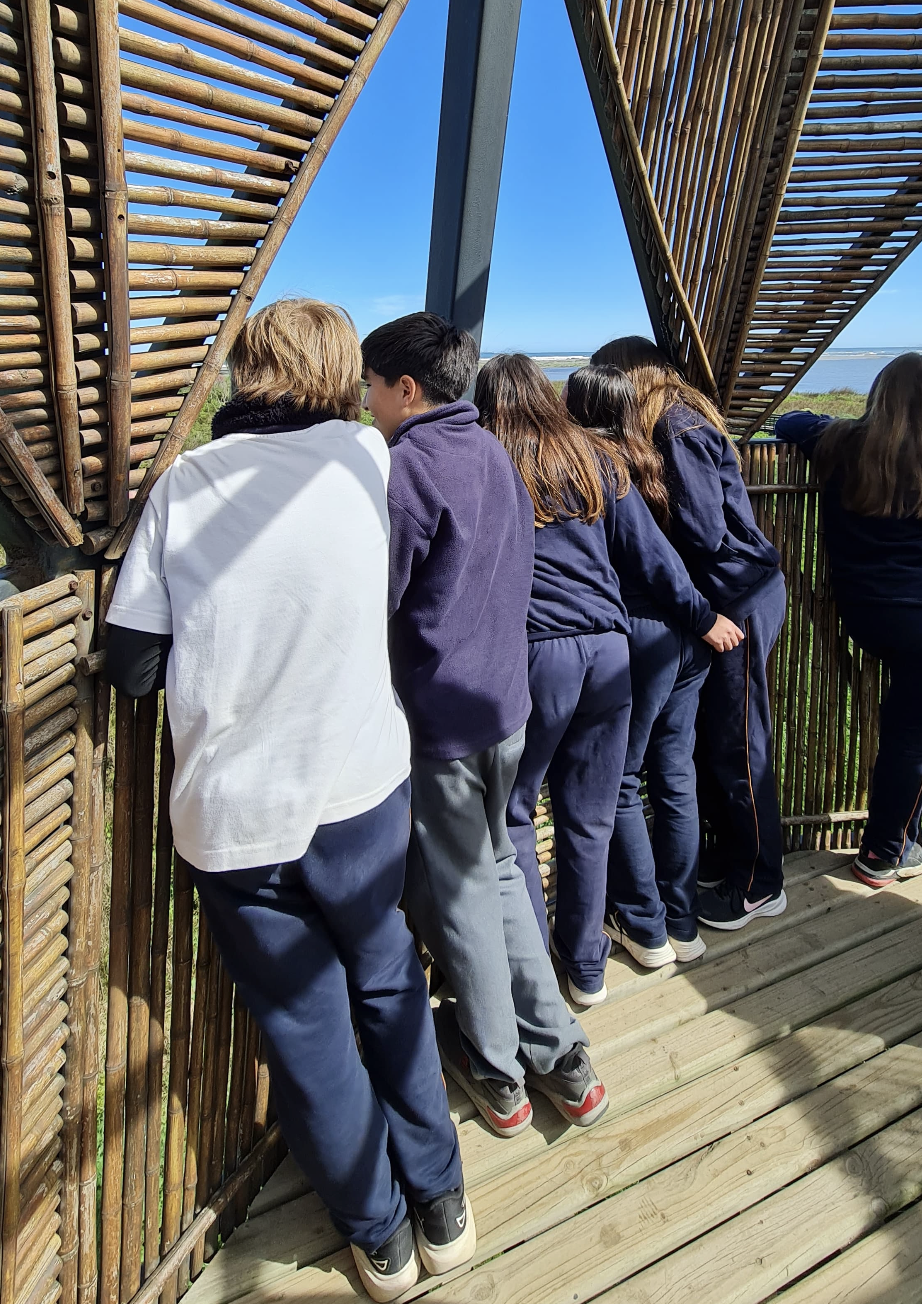
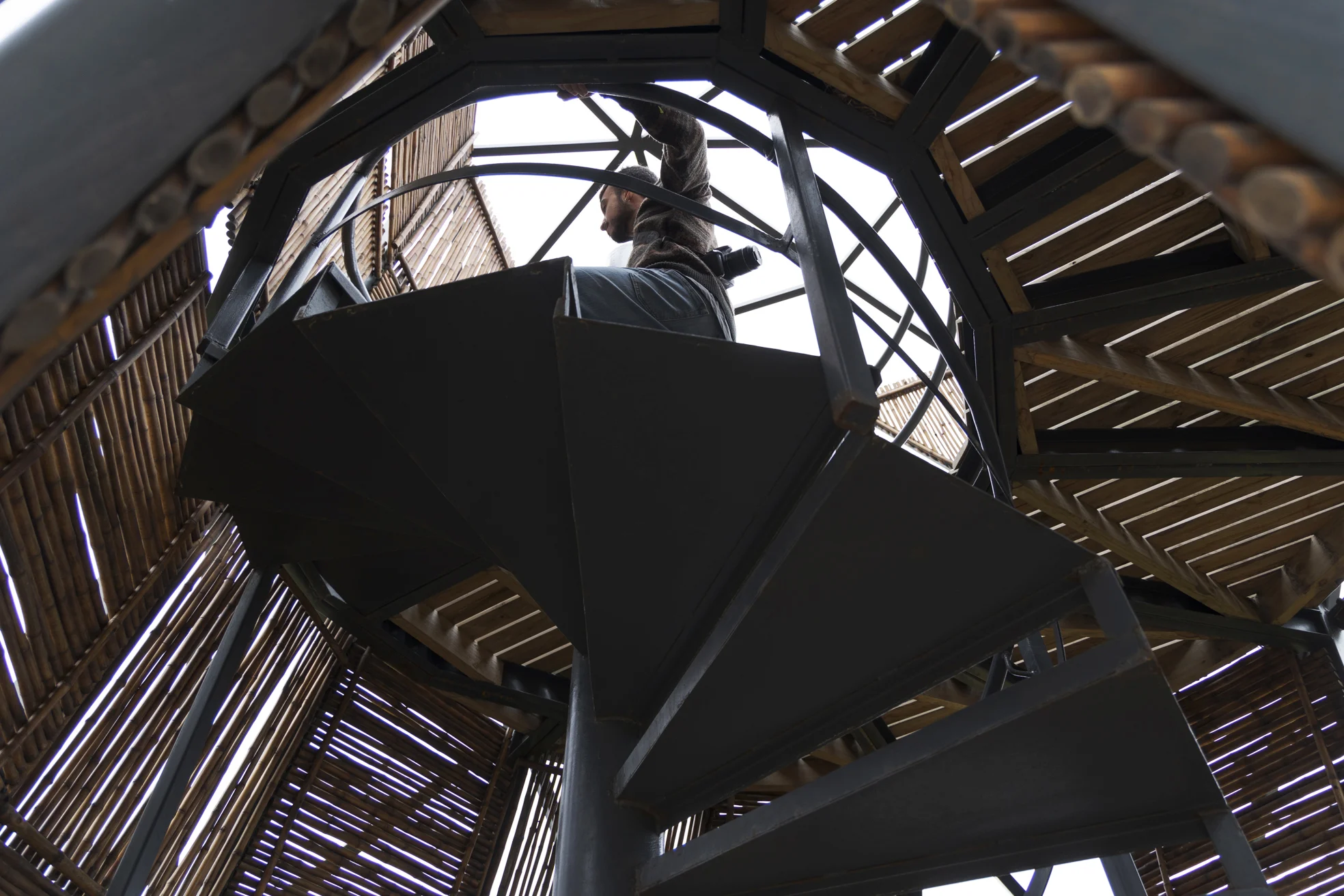
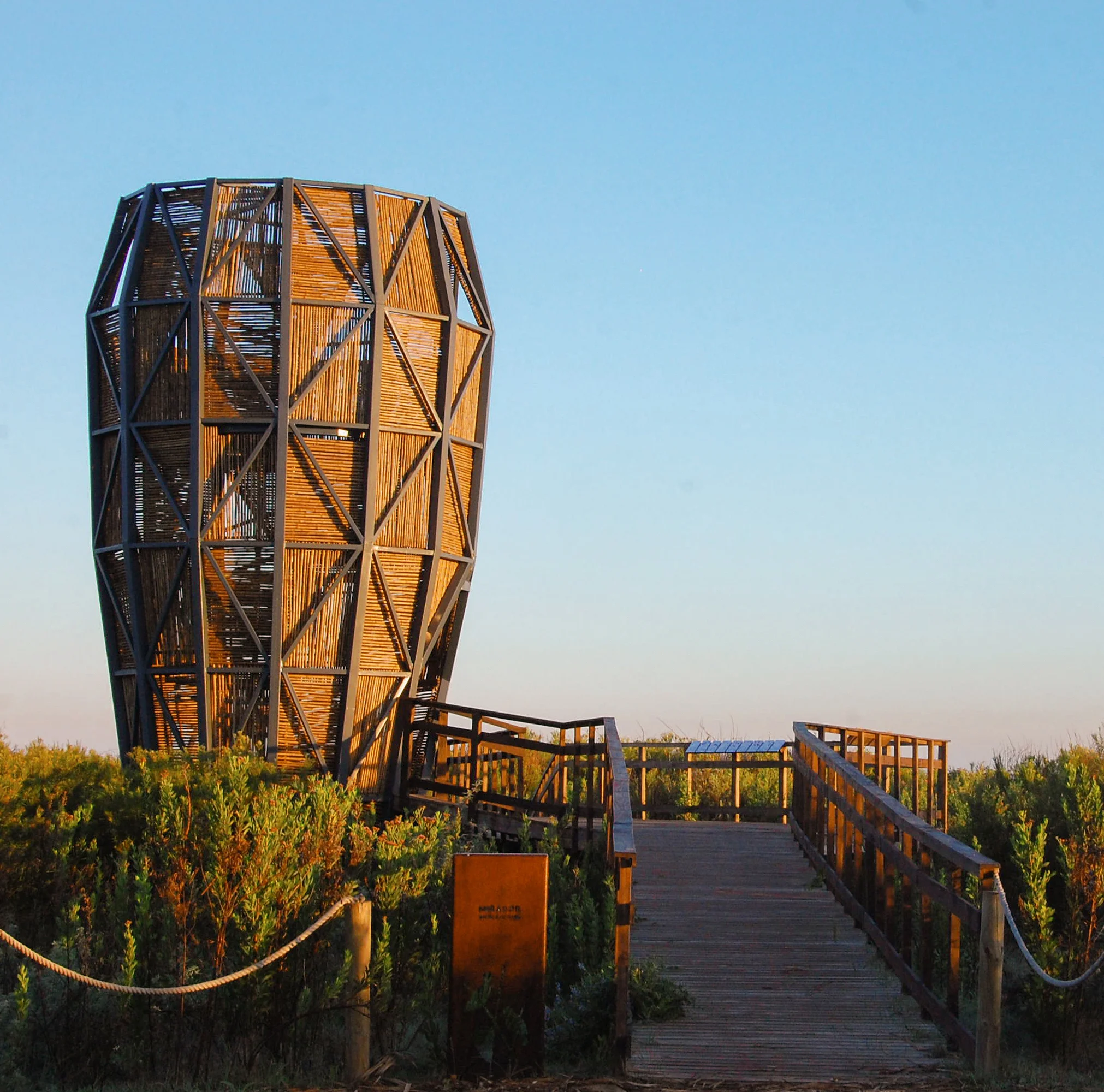
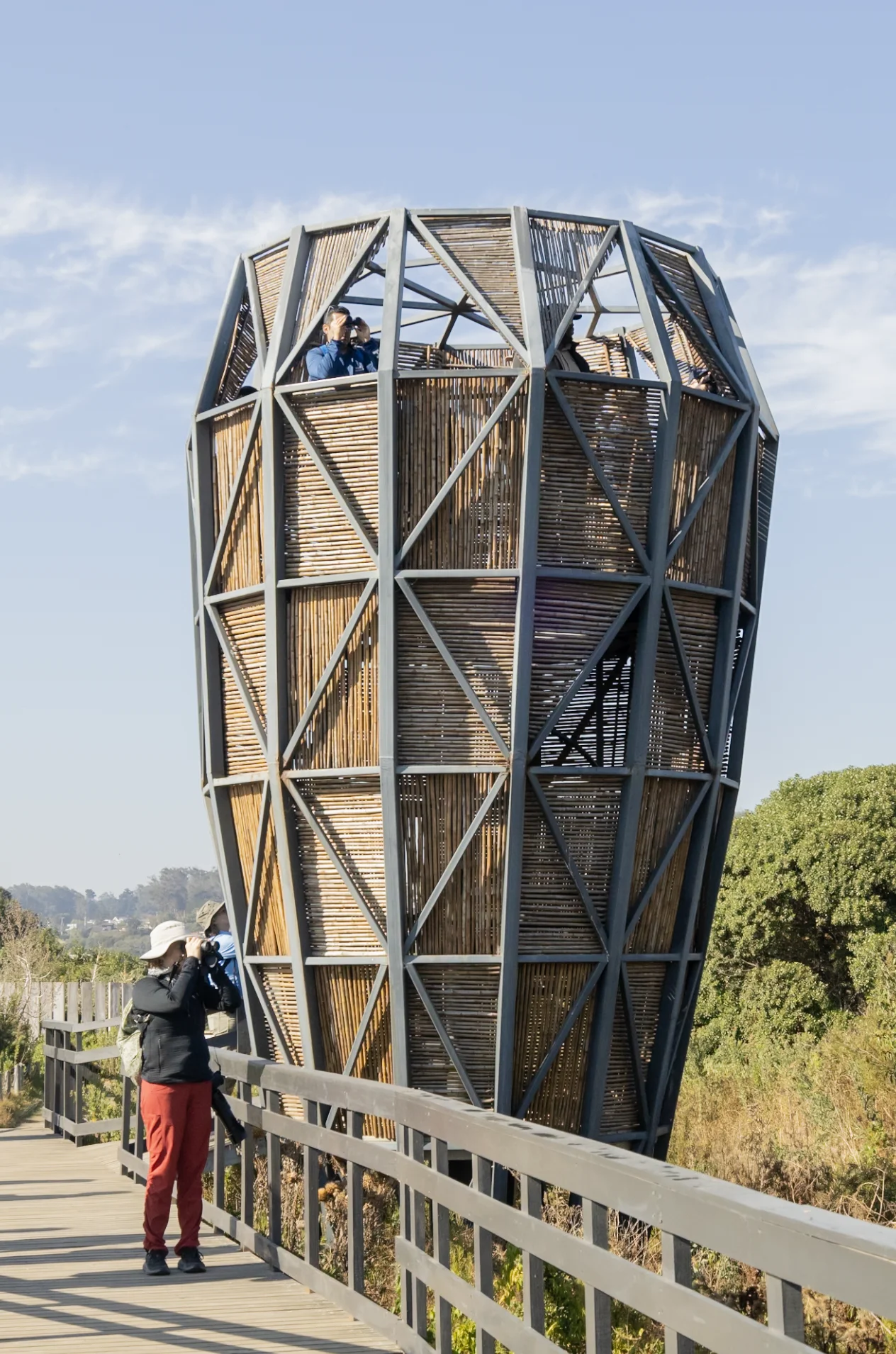
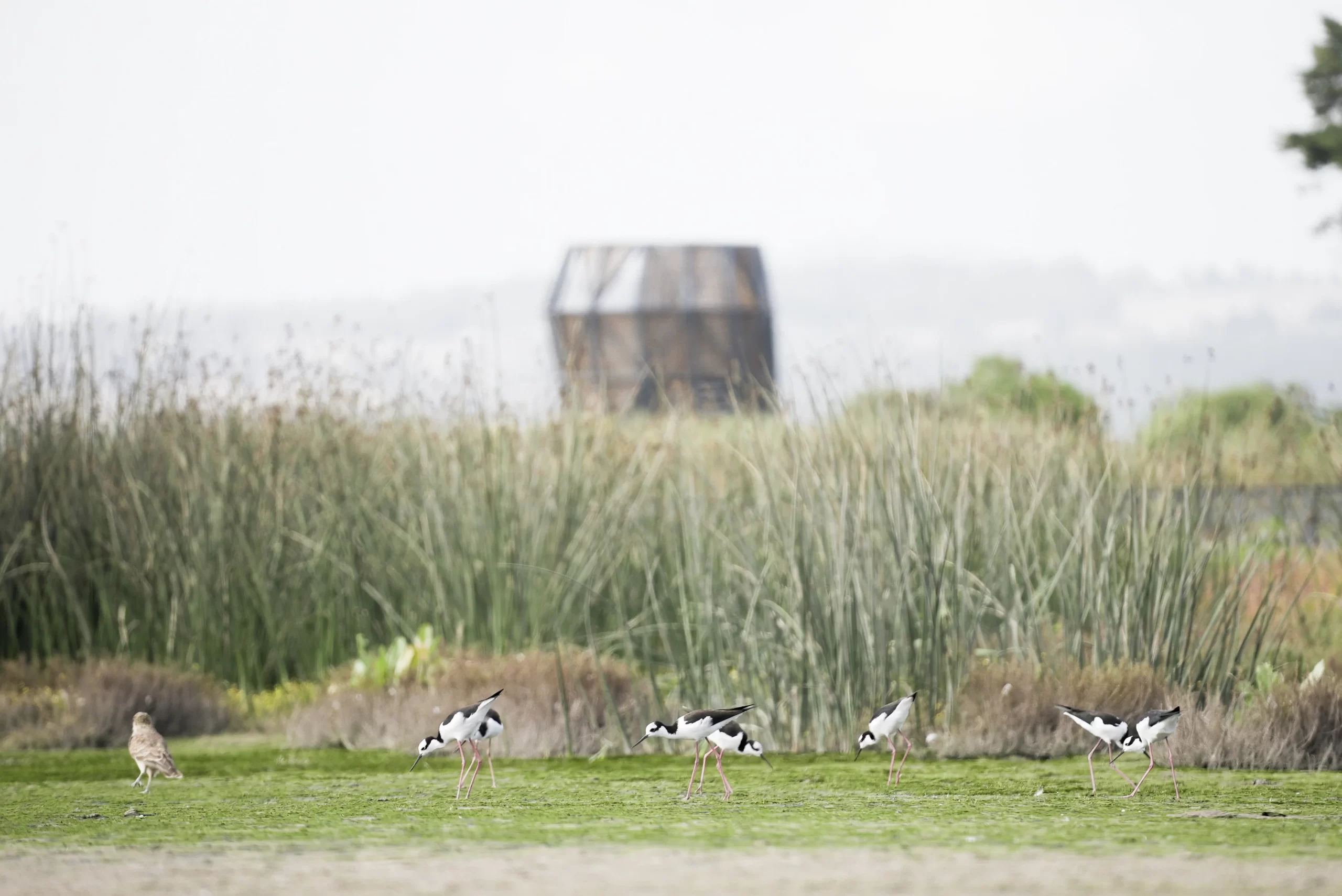
This iconic seven-meter-high viewpoint is designed to resemble the nests of the many-colored Rush-tyrant (Tachuris rubrigastra). From its elevated position, it provides a panoramic view of the Río Maipo Wetland, allowing visitors to appreciate the diverse landscapes of the area.
Zarapito Lookout
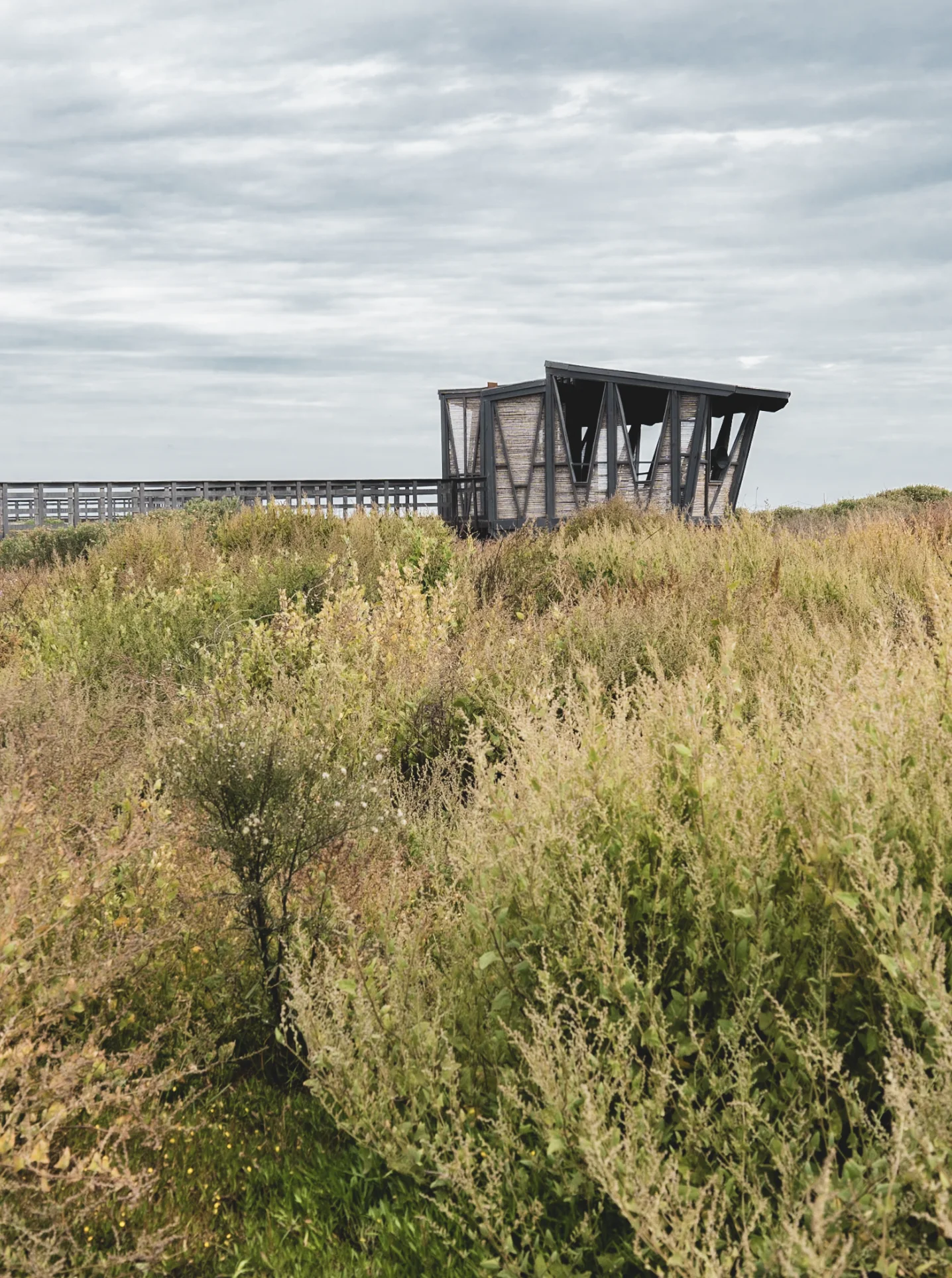
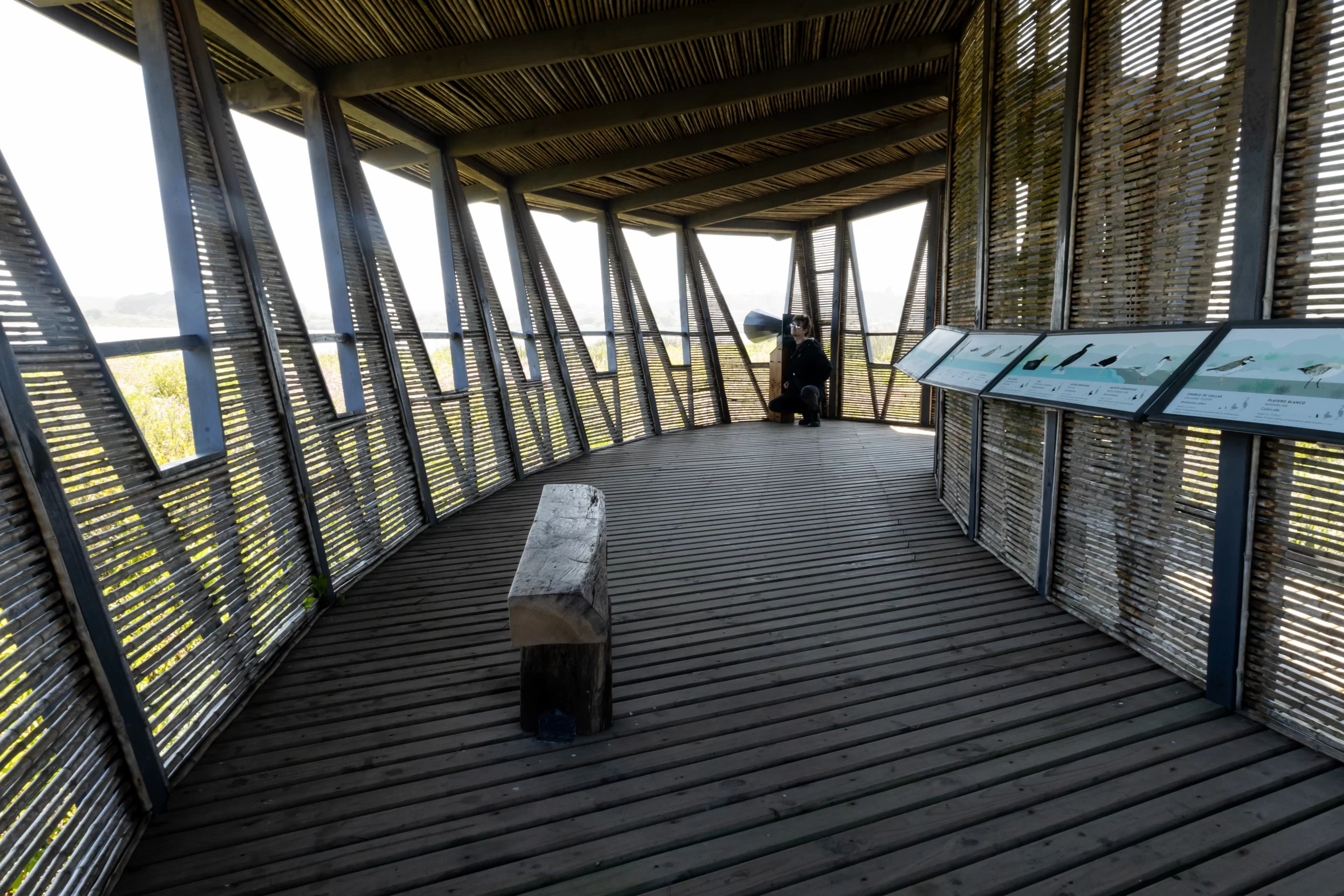
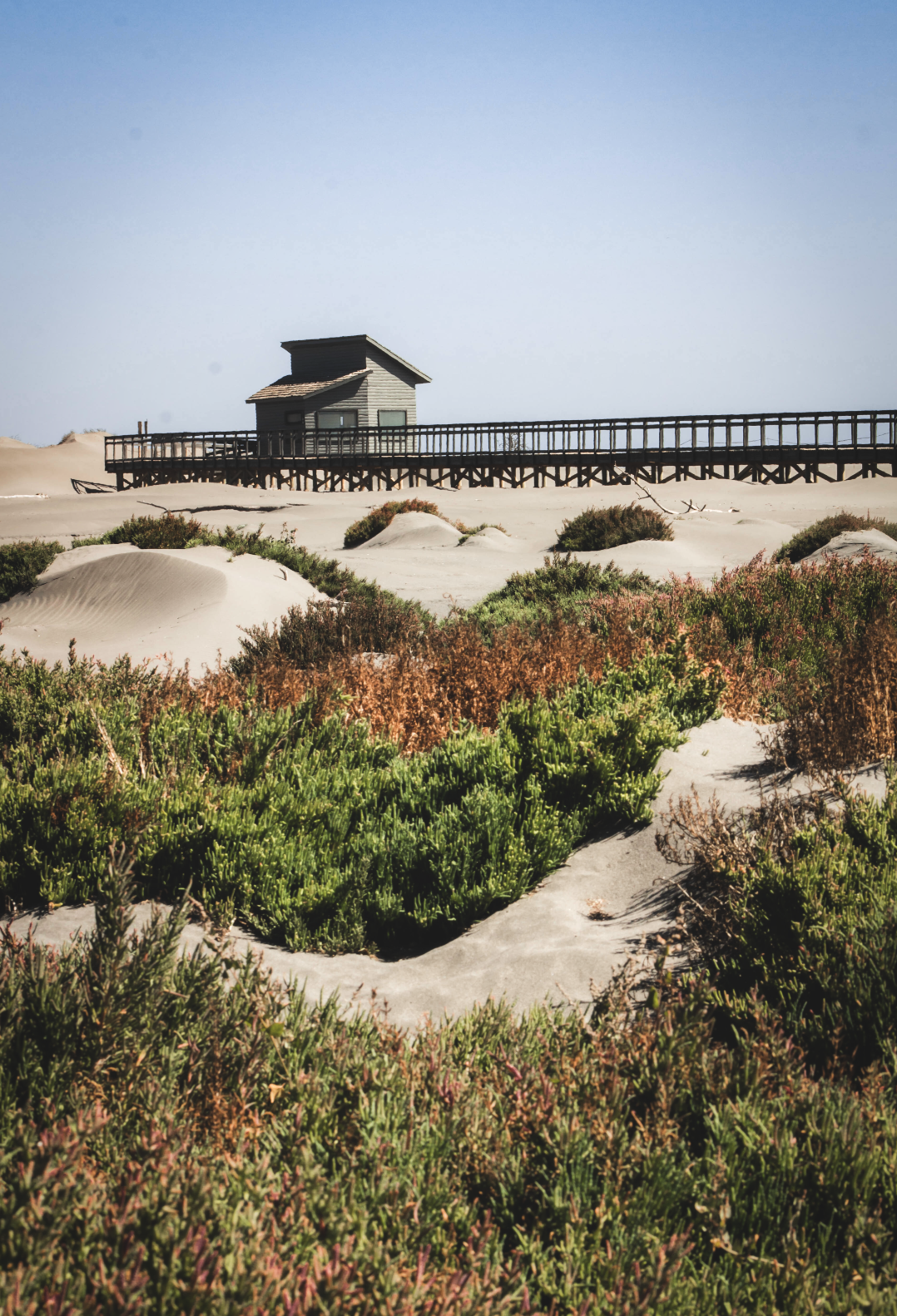
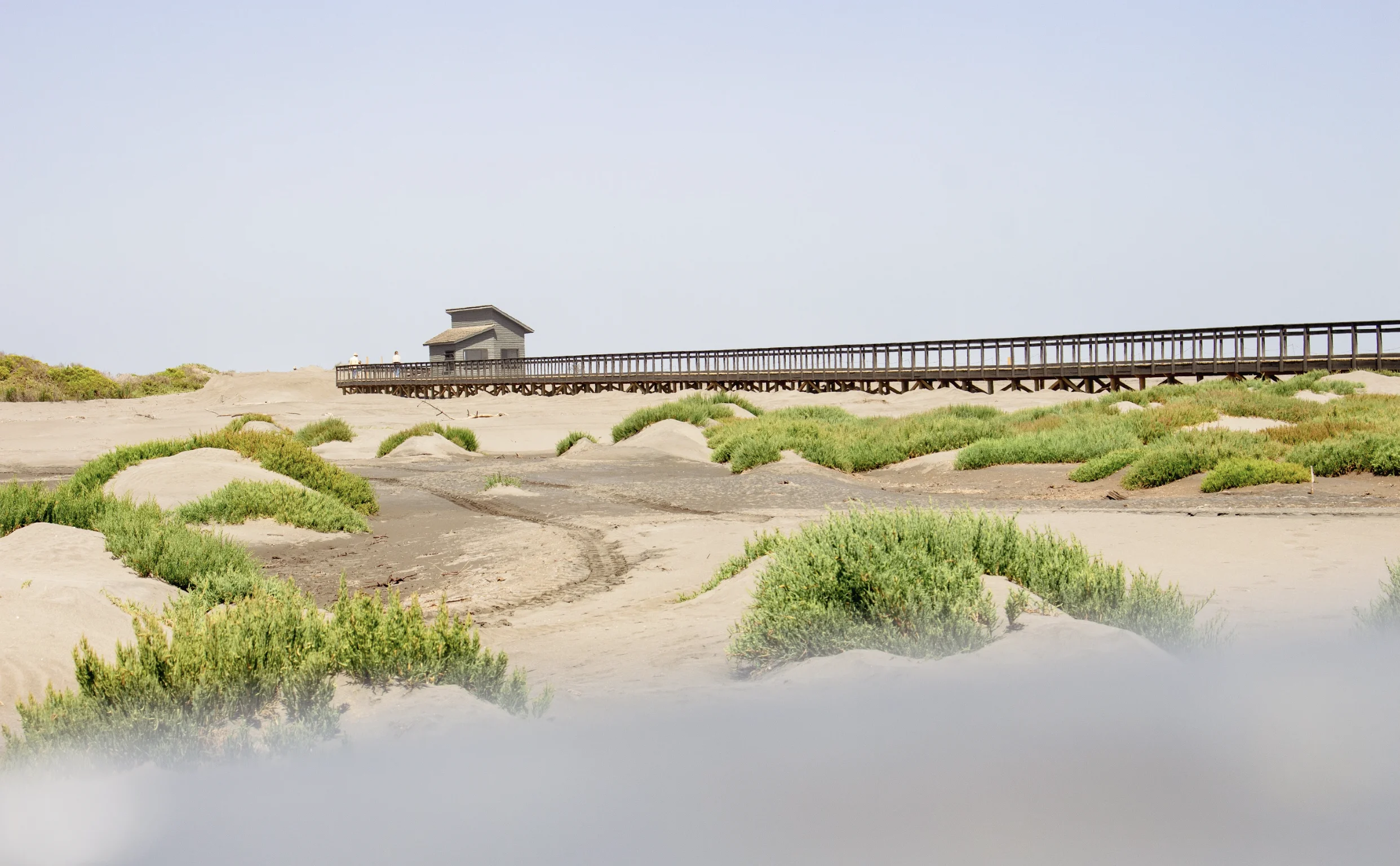
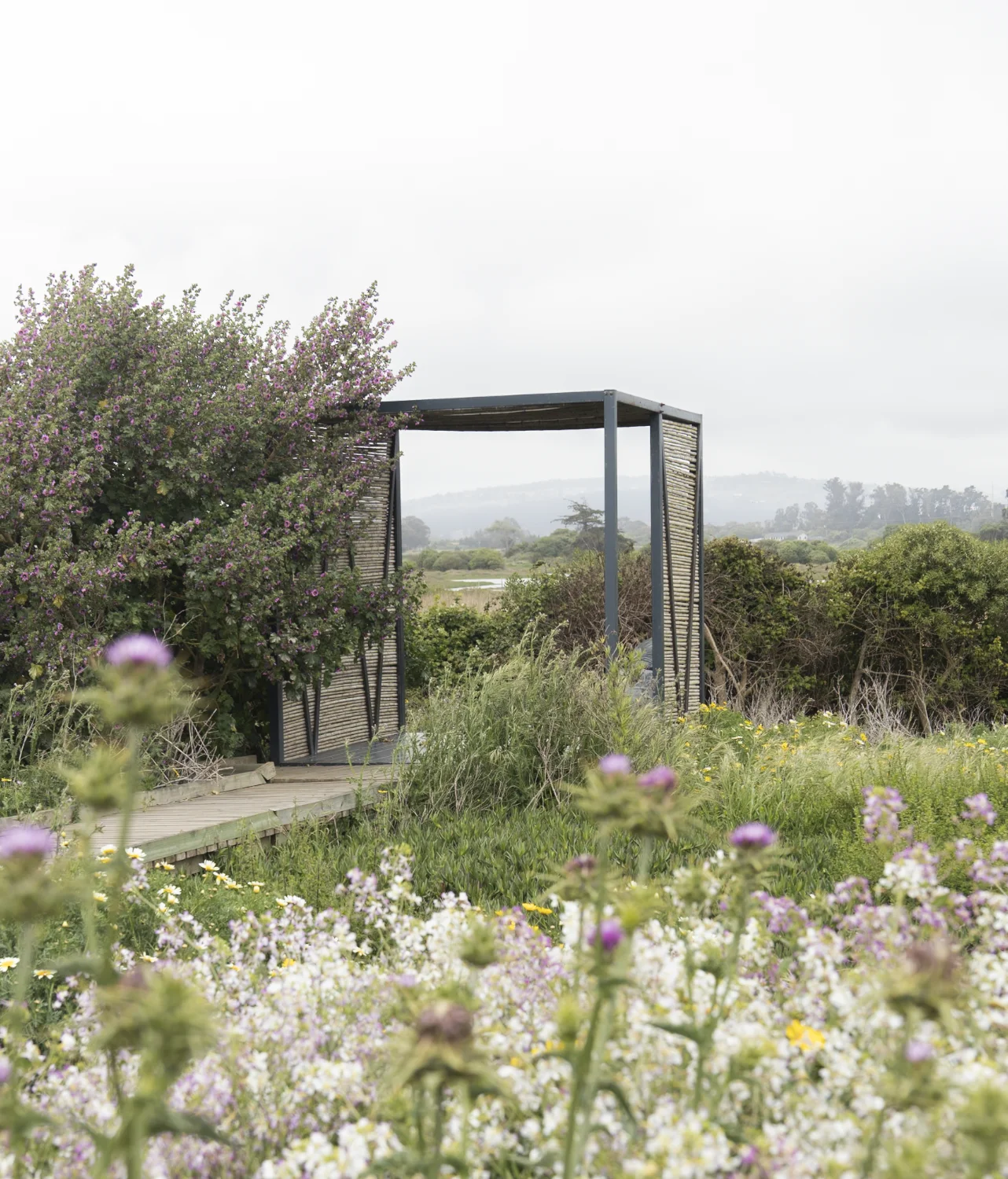
The Zarapito Viewpoint is a collaborative space designed by ornithologists and scientists to promote respectful observation and connection with the birds of the estuary. Its structure is designed to be permeable to water, allowing it to adapt to river floods and tides, which makes it resilient to extreme climate events.
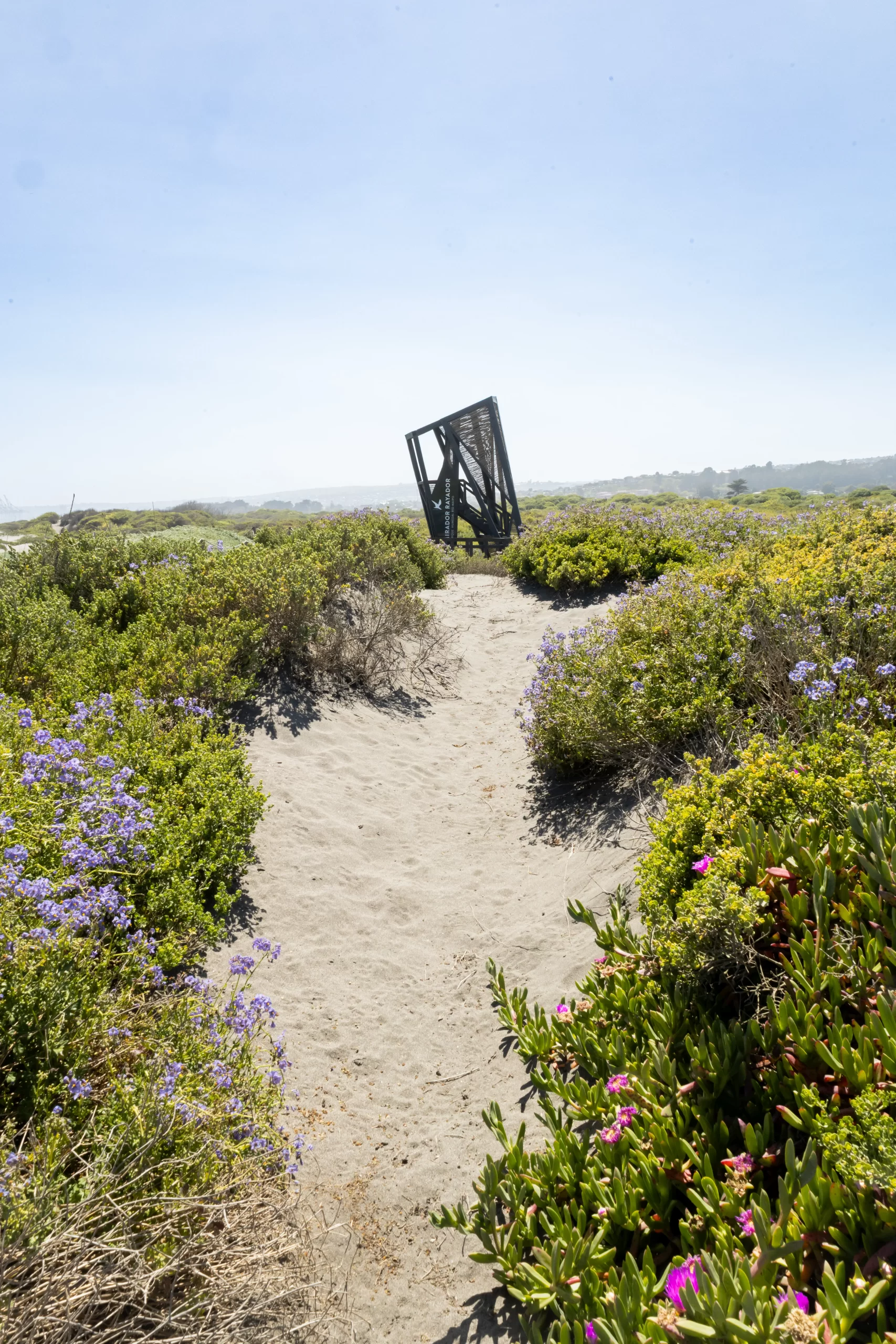
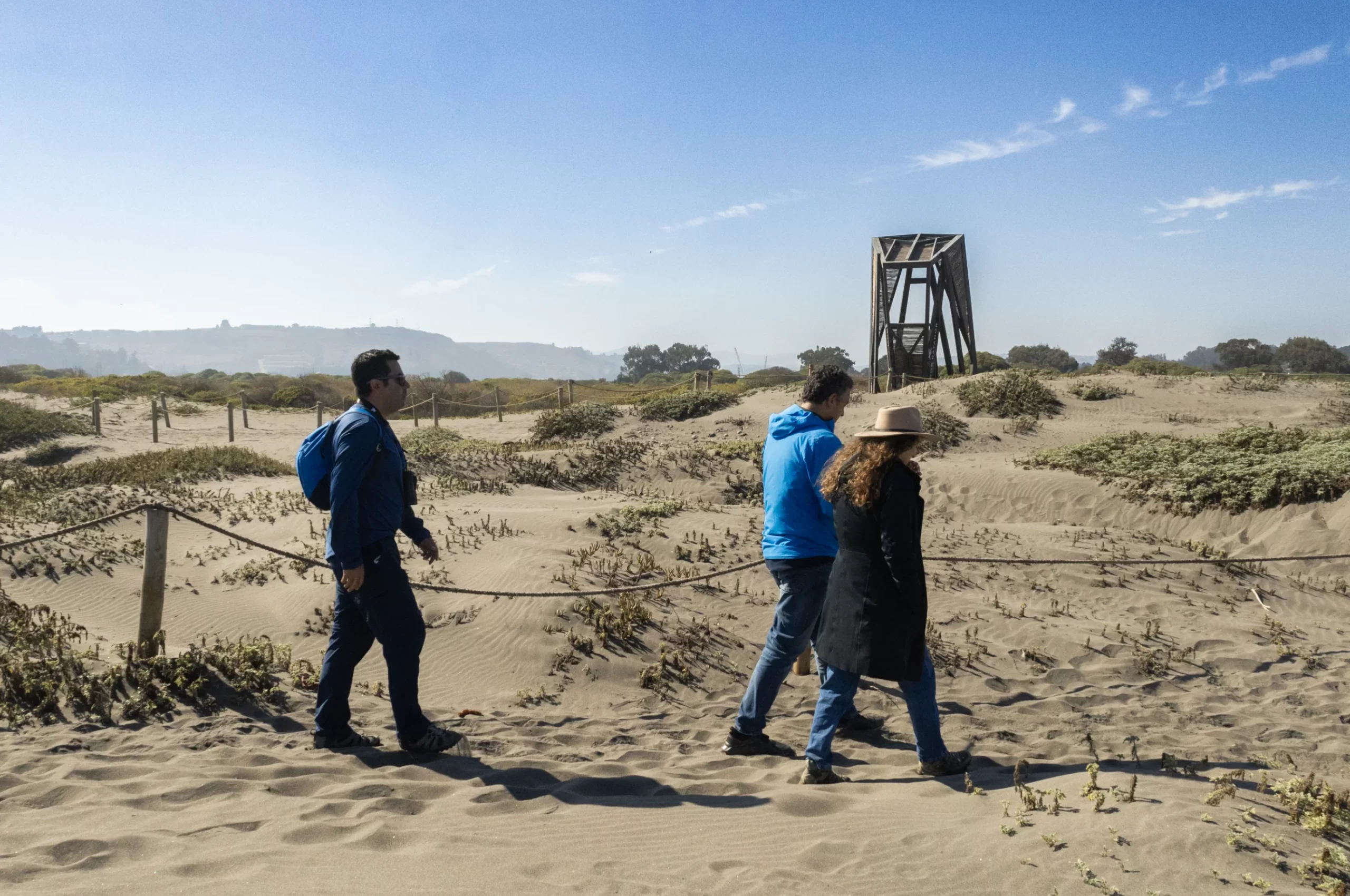
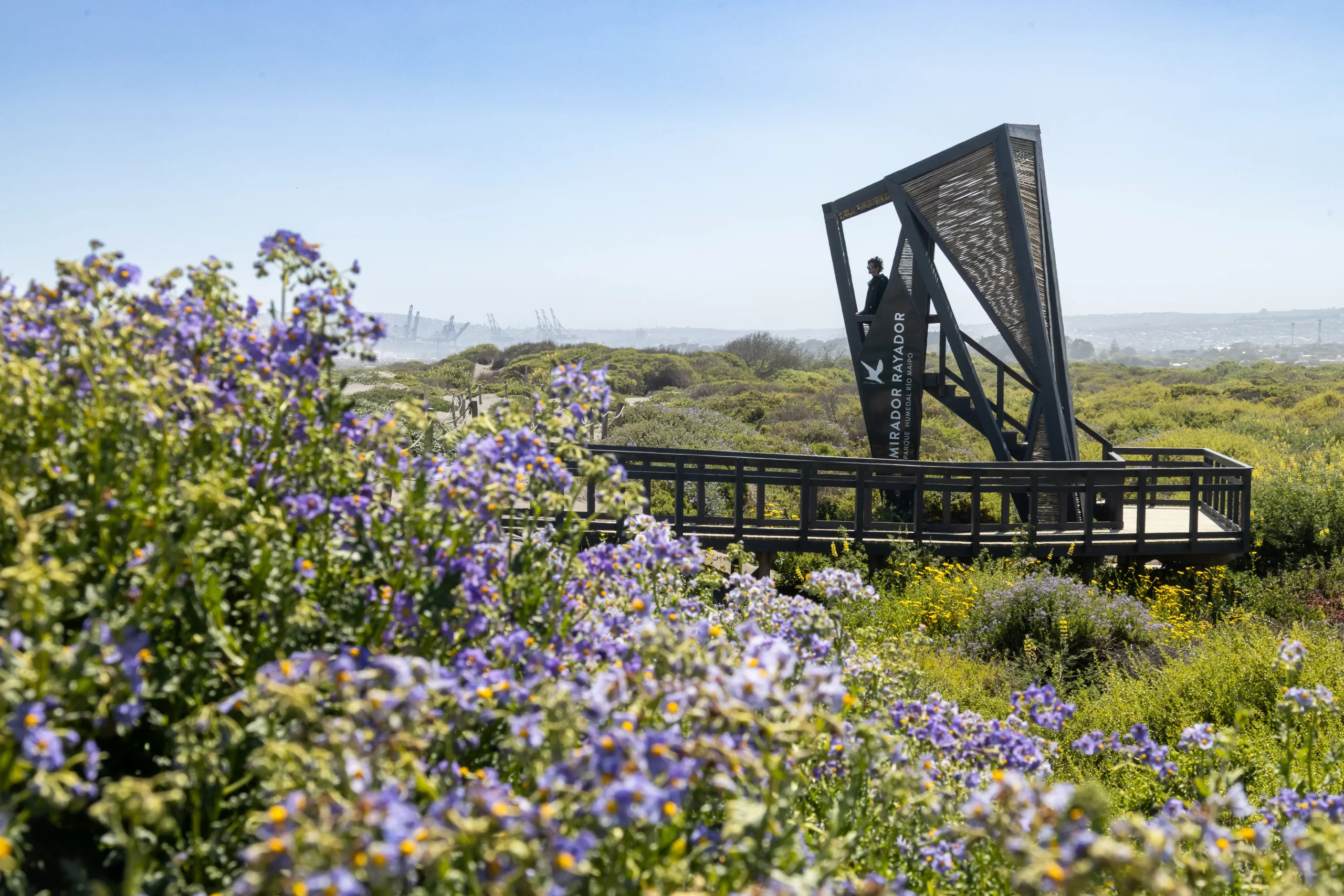
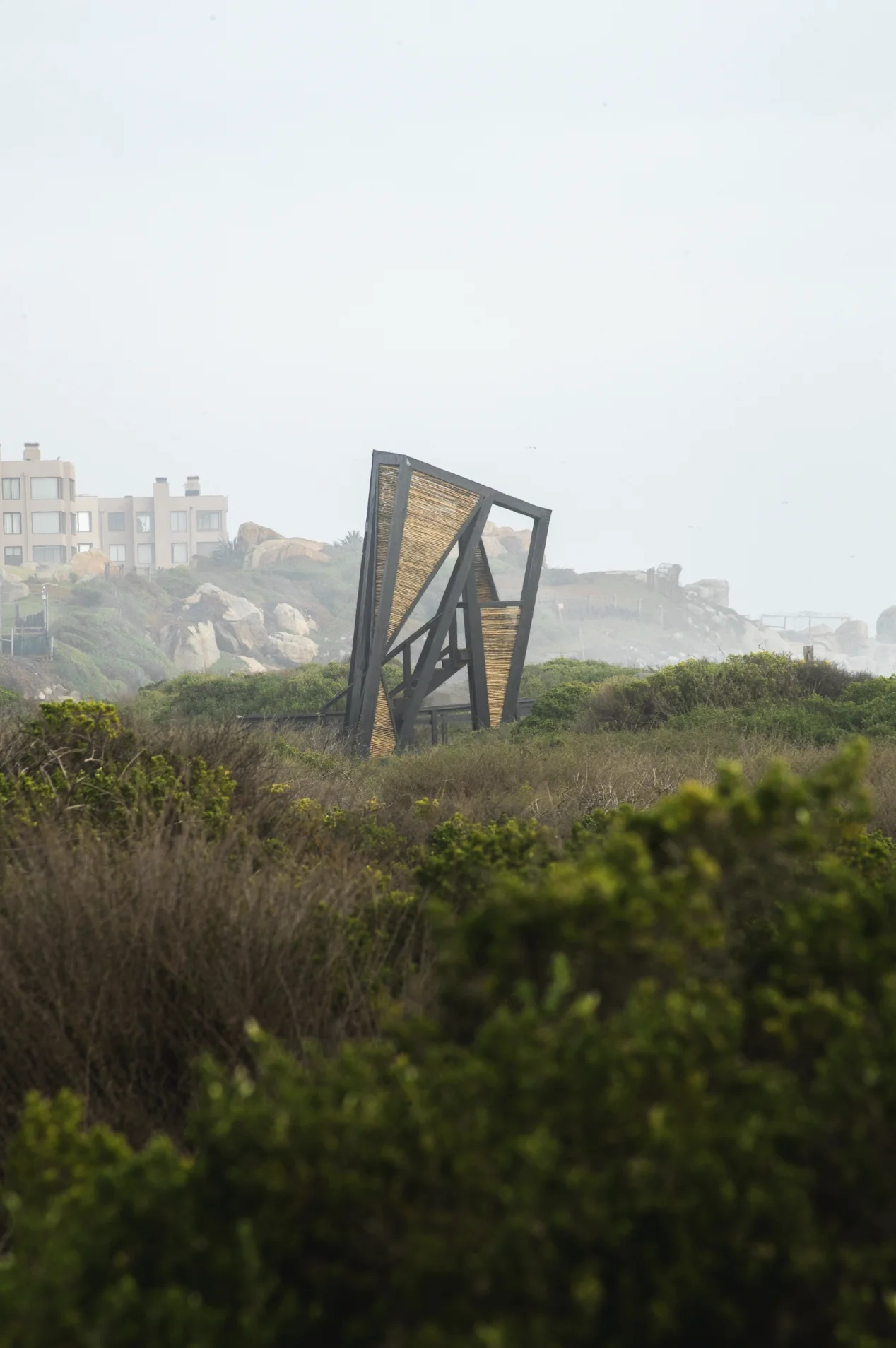
Rayador Lookout
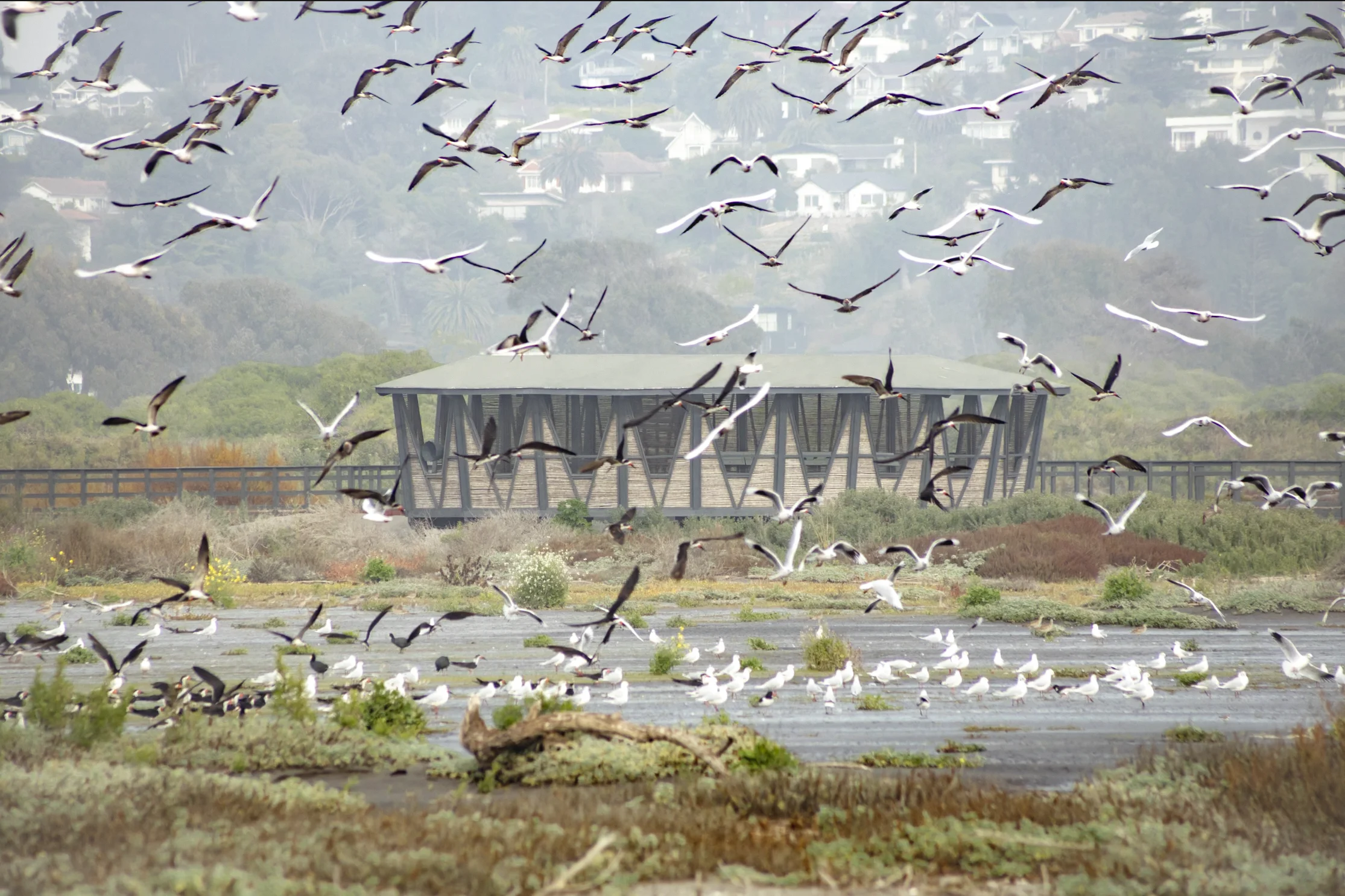
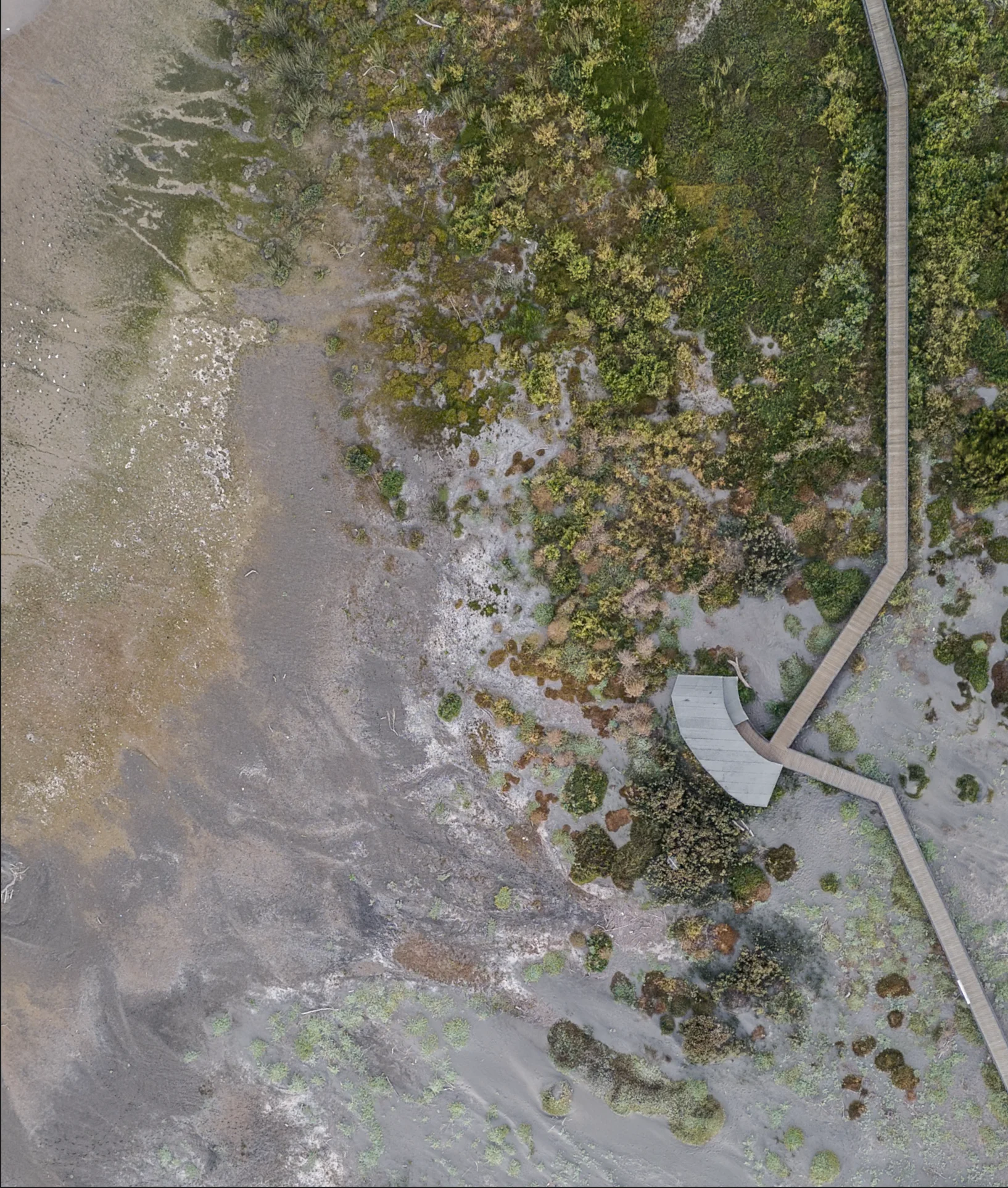
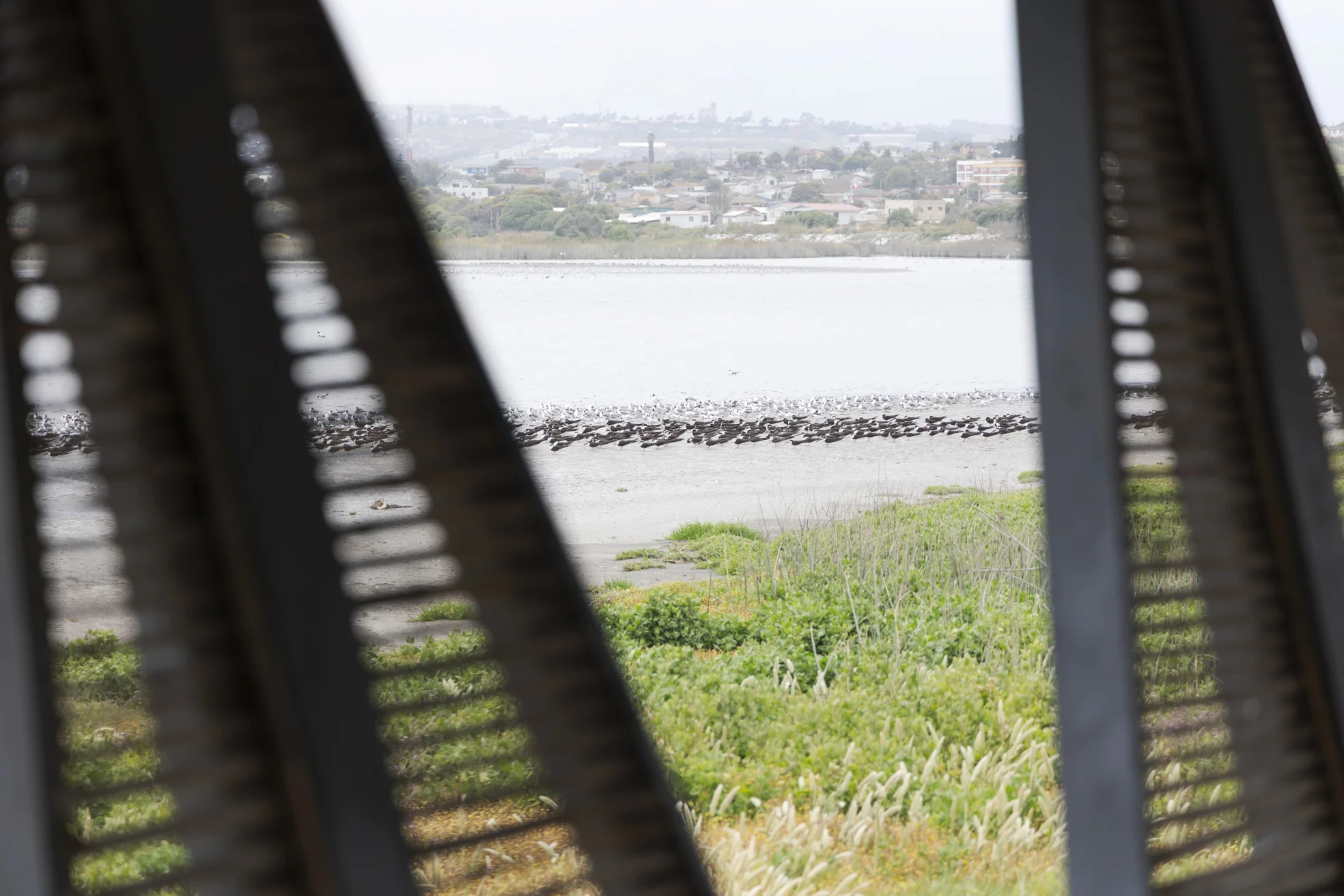
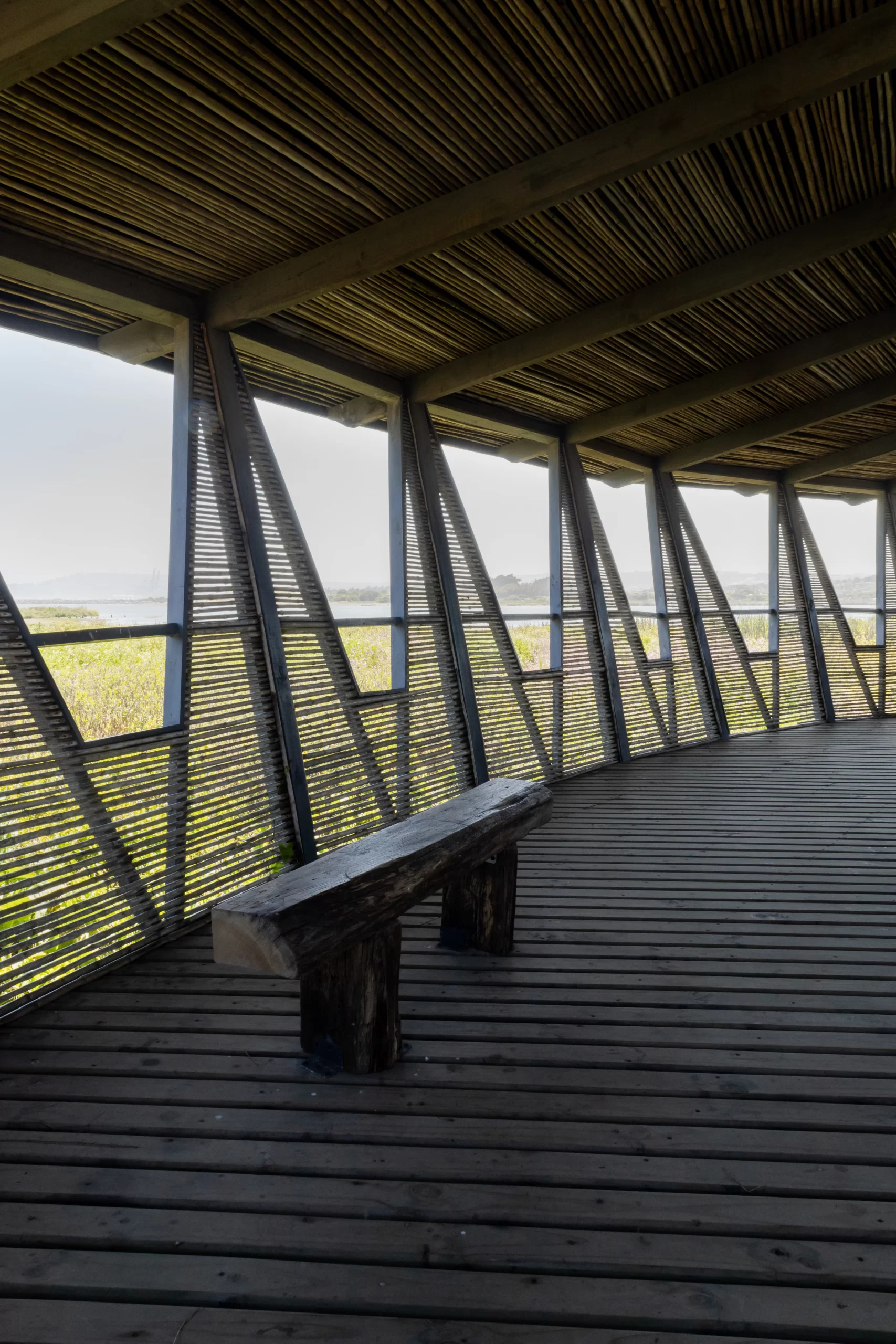
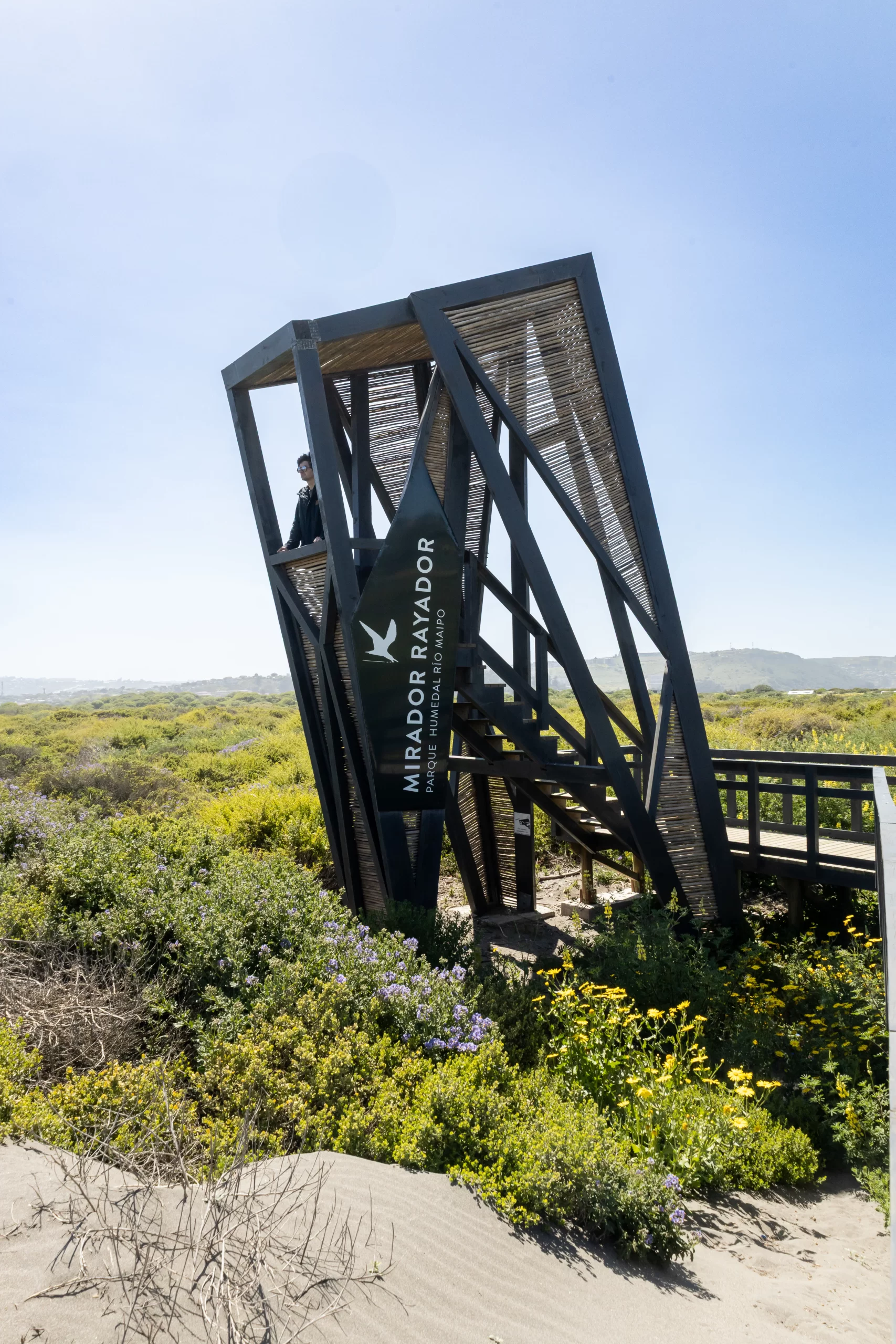
The Rayador Viewpoint is situated on the southwest border of the Sanctuary and serves to delineate the boundary between Marbella Beach and the protected area. Its design is inspired by the beak of the rayador bird (Rynchops niger), which creates a line on the water when it feeds. In this way, the viewpoint symbolically marks the boundary of the Sanctuary.
Pilpilén Lookout
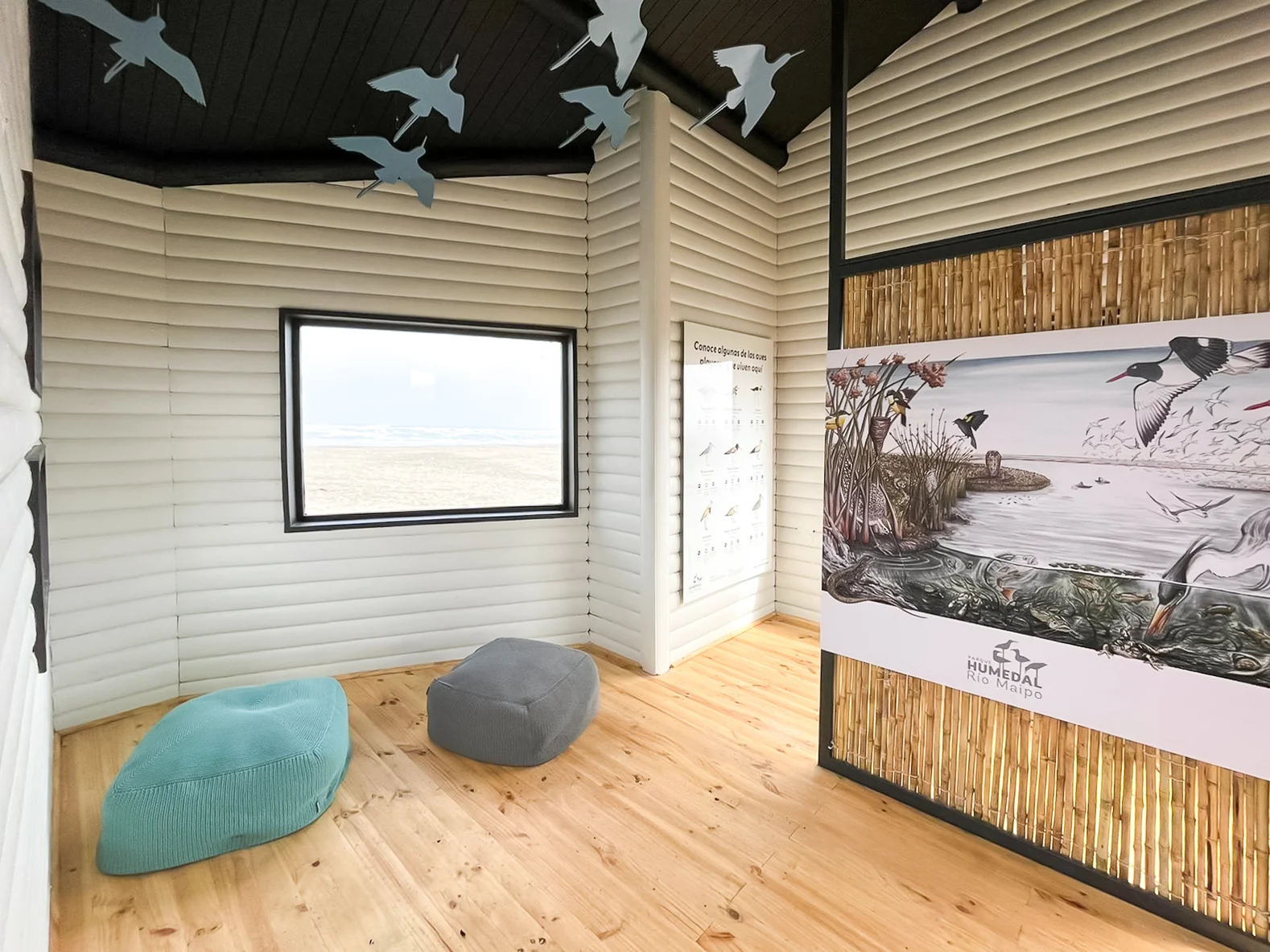
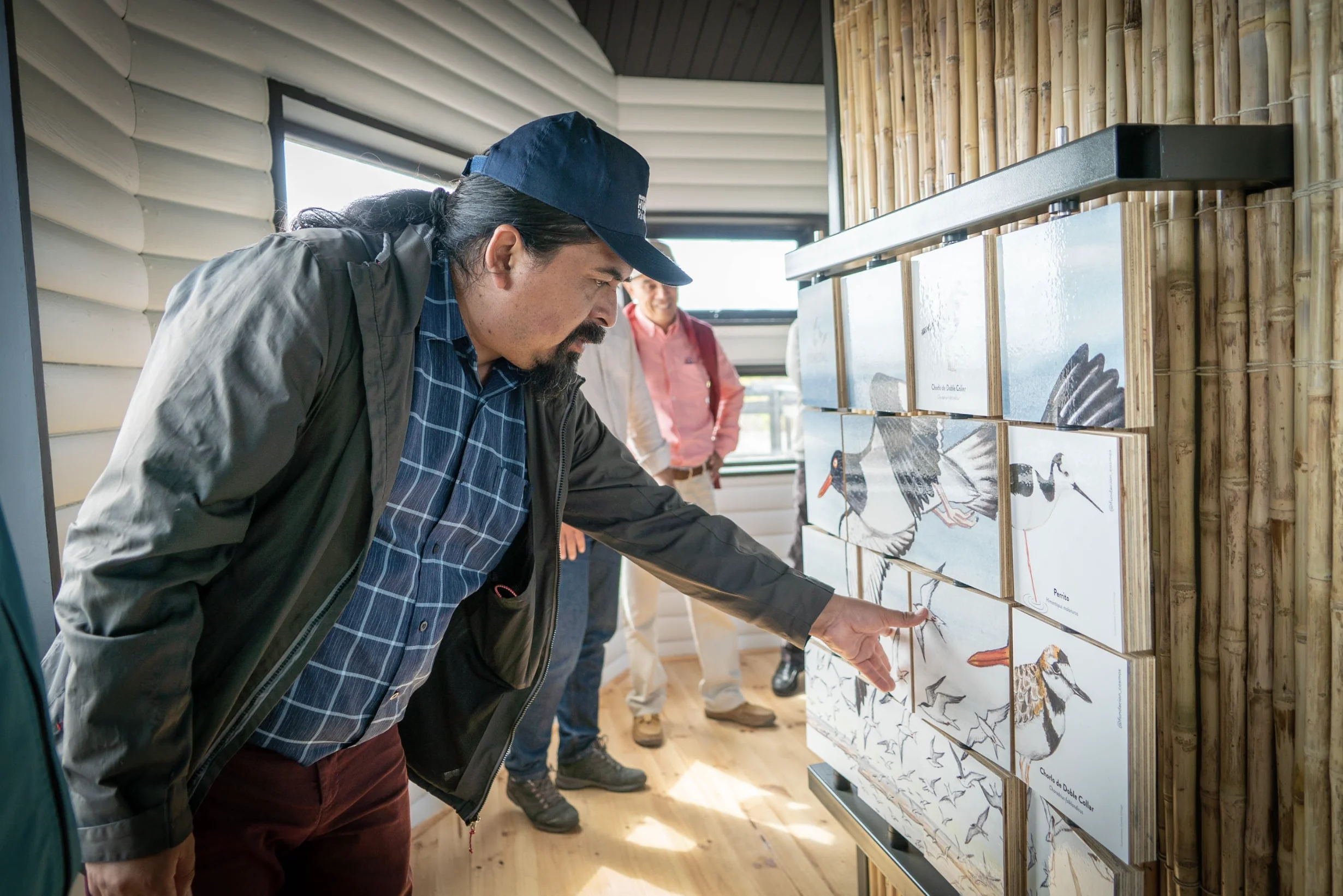
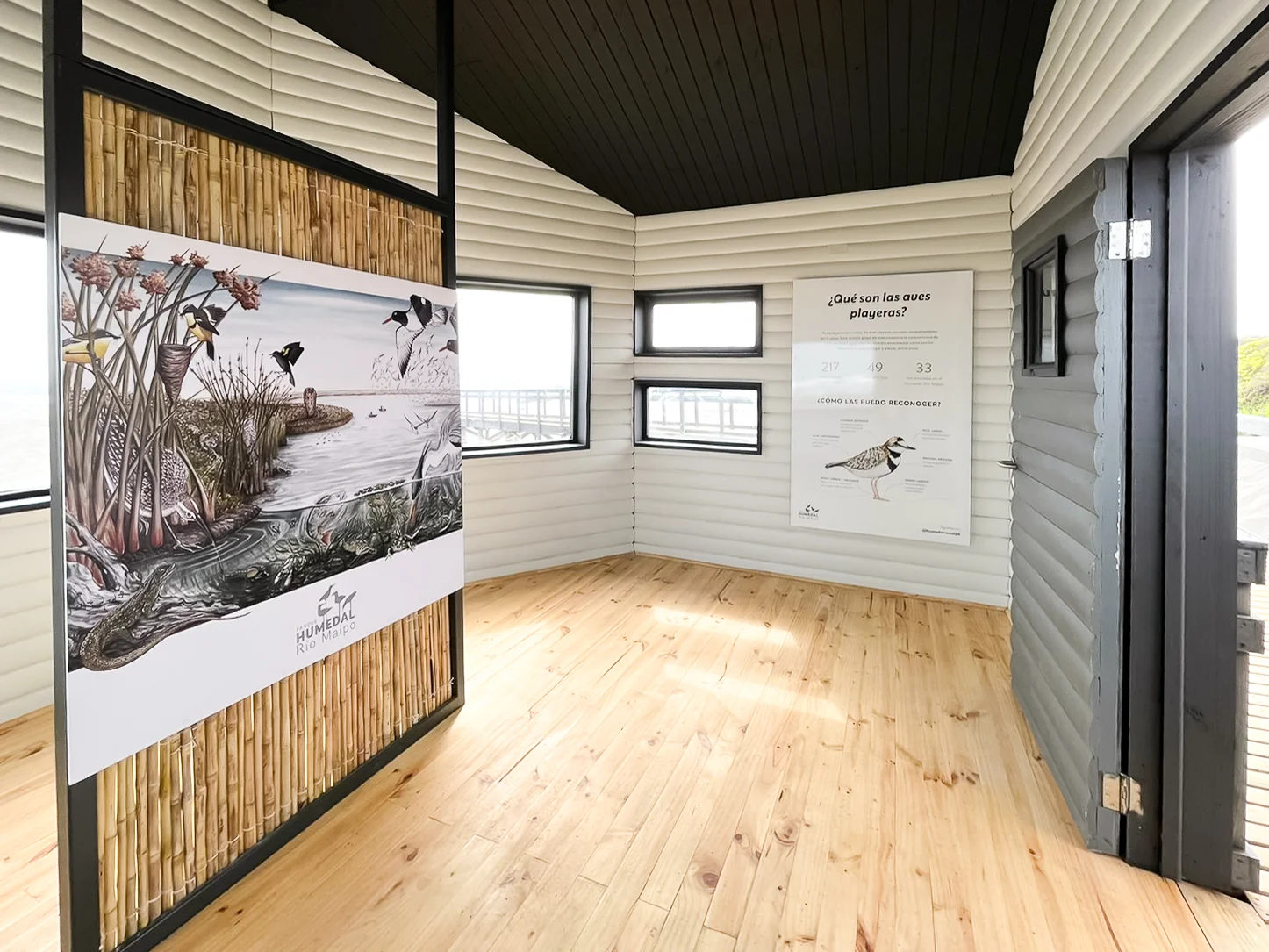
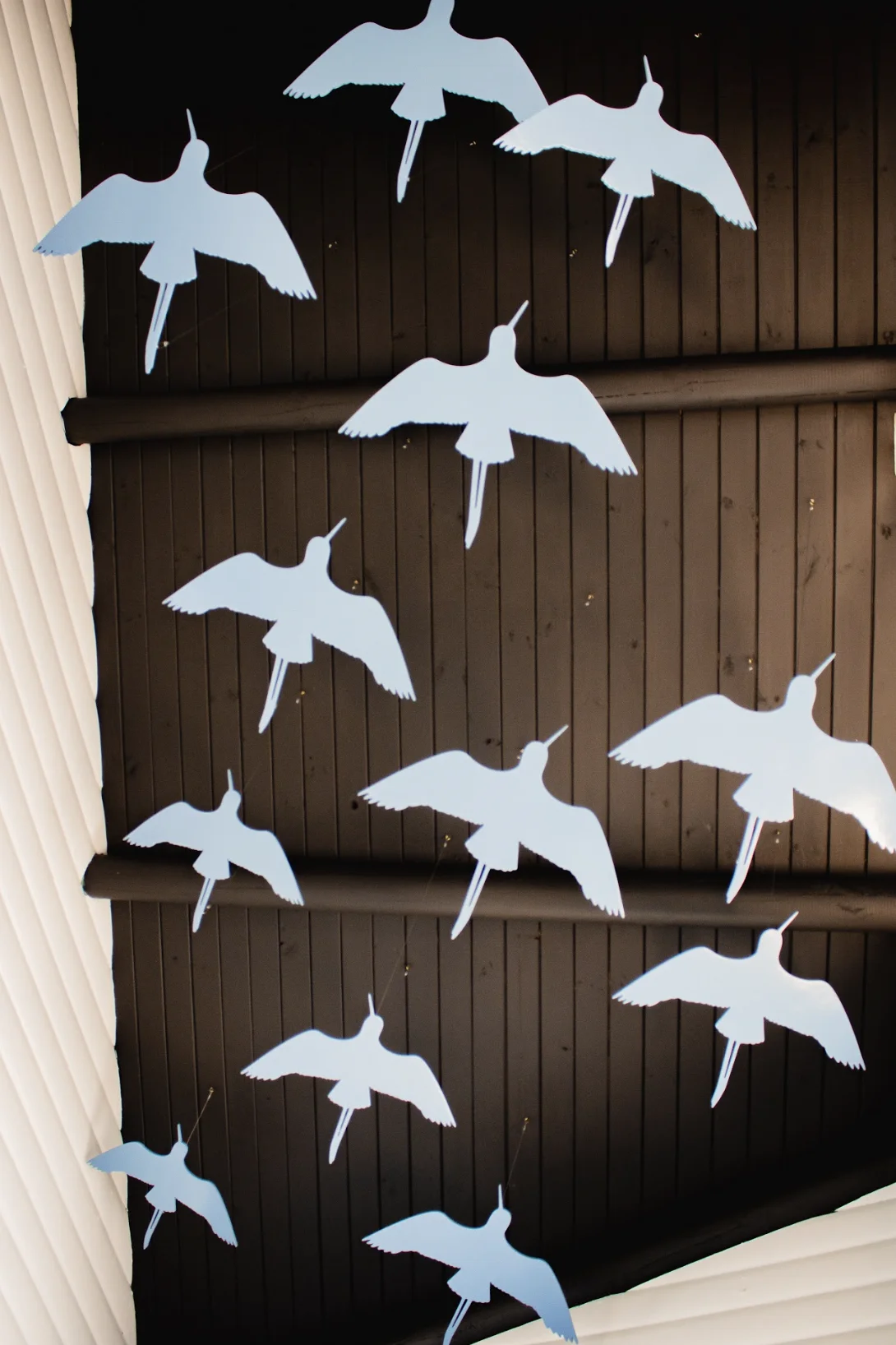
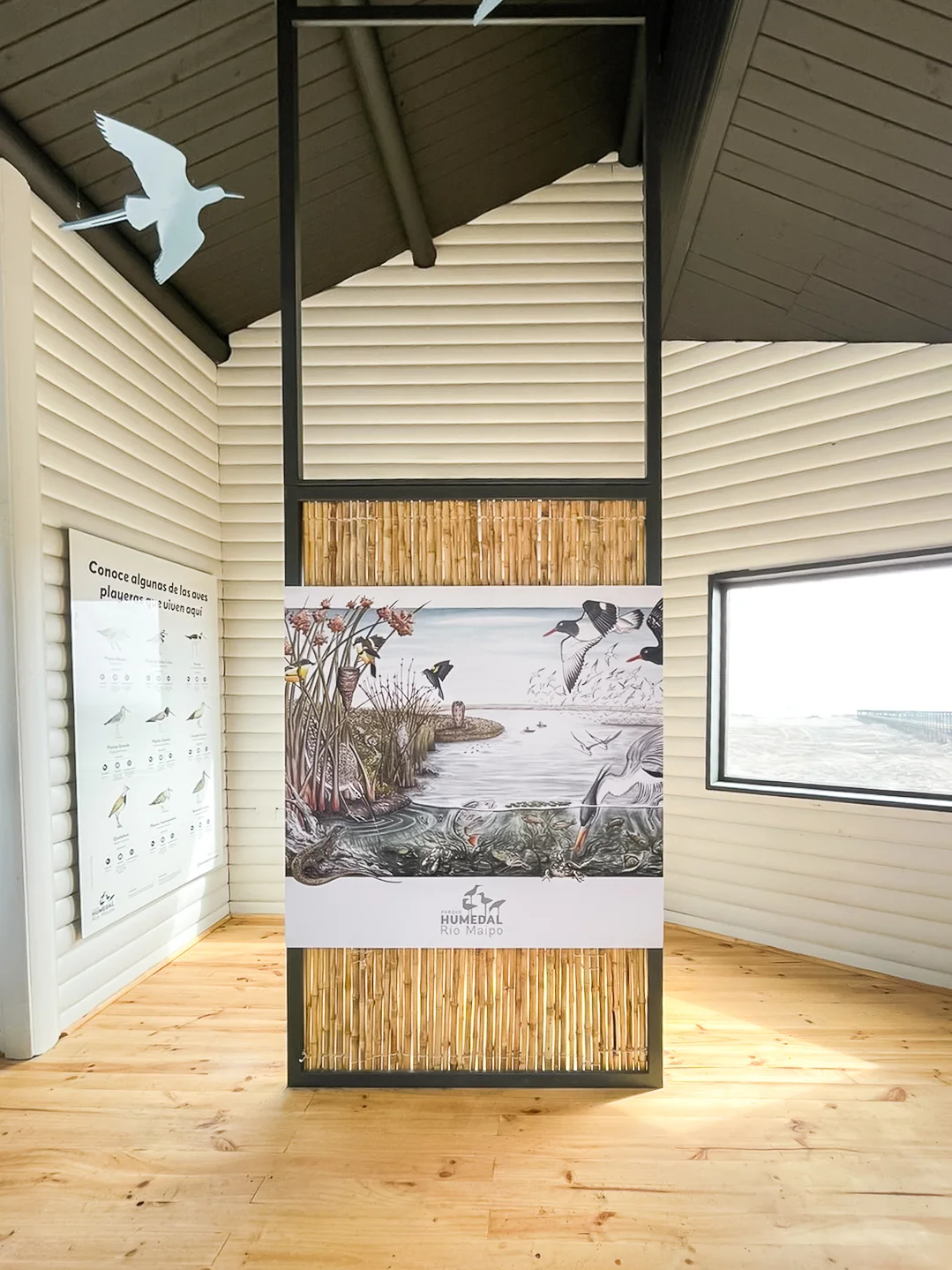
The Pilpilén Viewpoint was the first viewpoint established in the park, thanks to an agreement between the Municipality of Santo Domingo and the Marine Research Coastal Station (ECIM) at the Pontificia Universidad Católica de Chile. This enclosed space is dedicated to educating visitors about shorebirds and provides opportunities to observe various species, including american oystercatchers, sandpipers, and whimbrels.
Aconcagua Culture Space
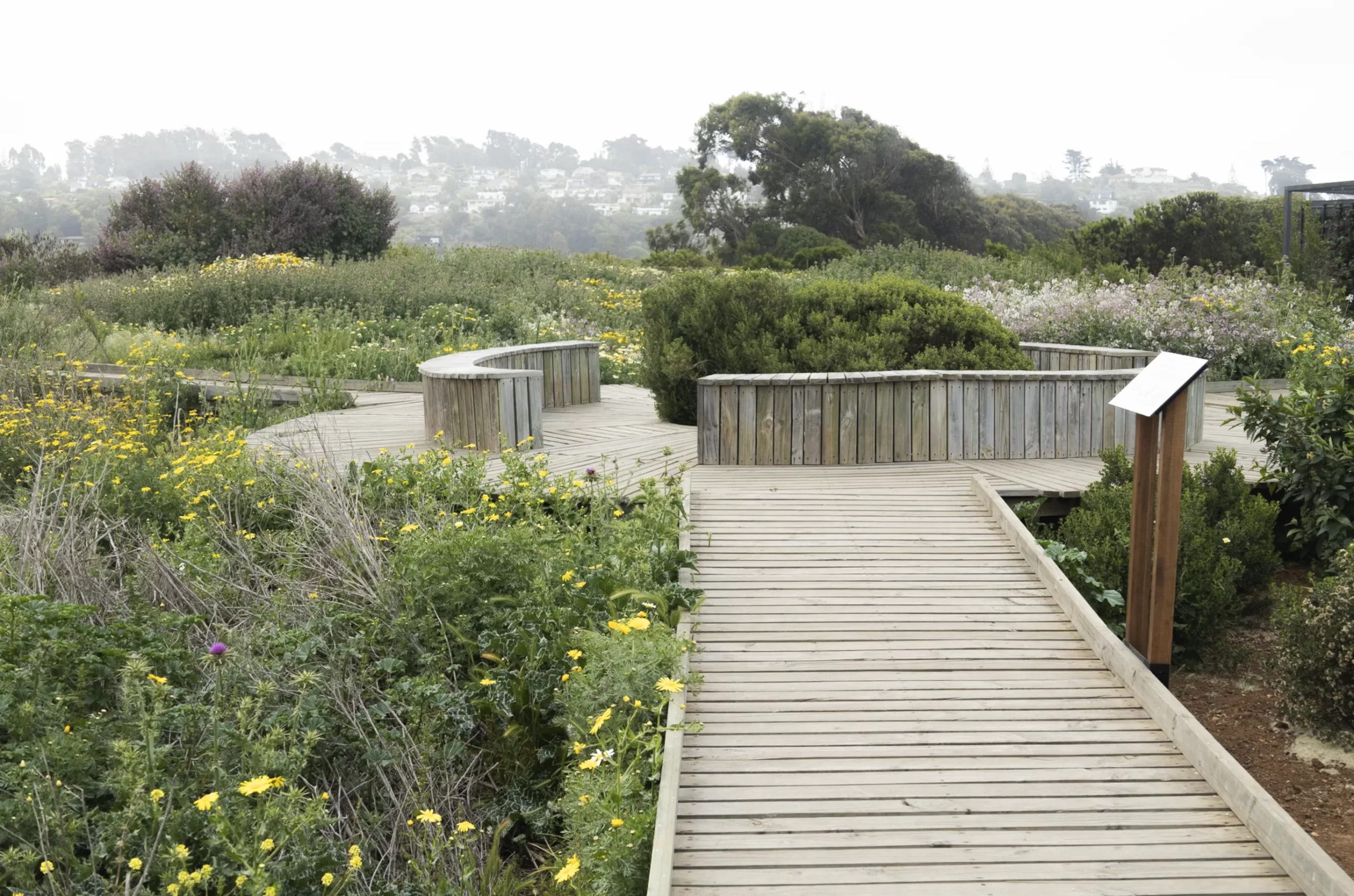
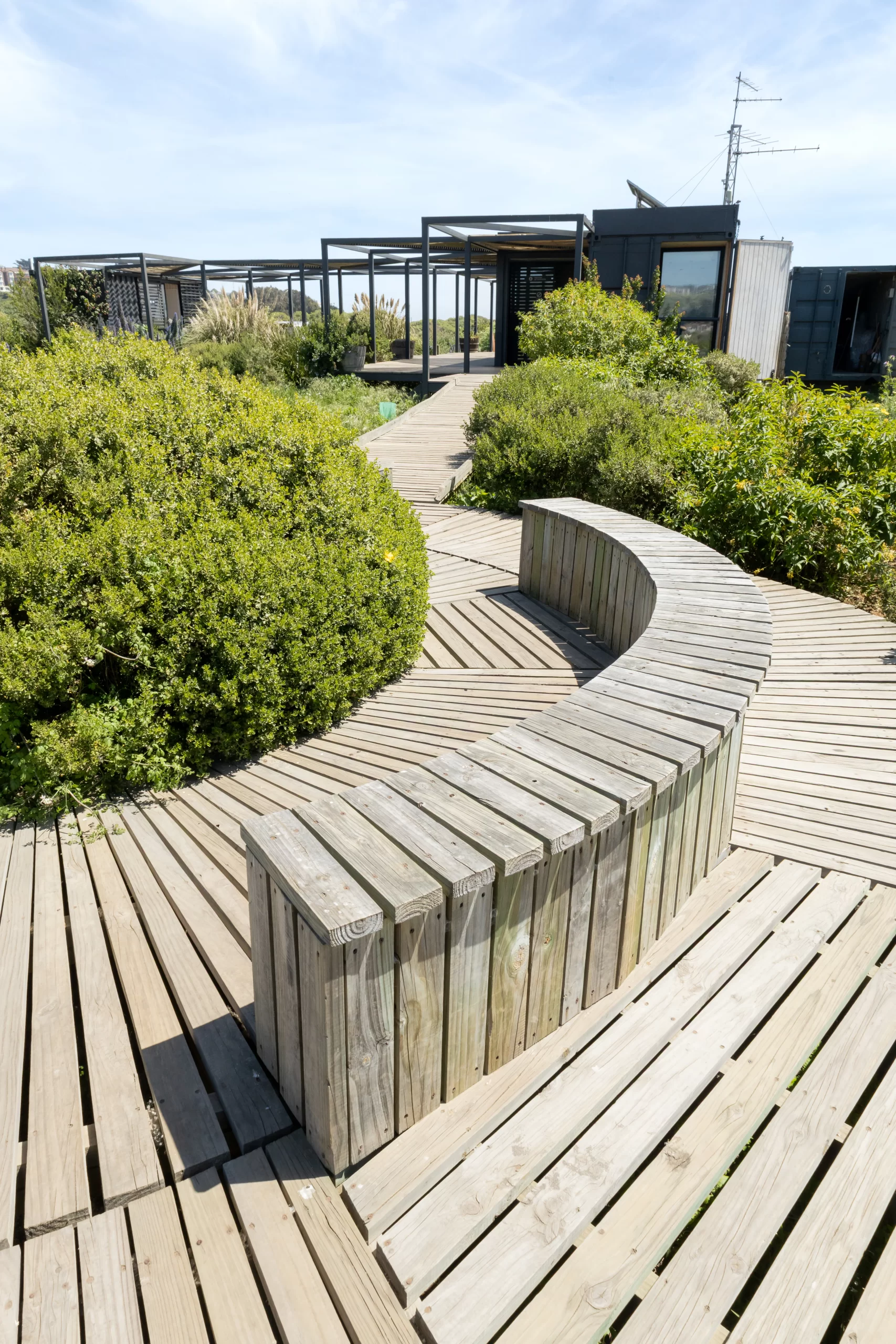
This is a circular meeting area and tour distribution space. The shape and arrangement of the wooden planks resemble the trinacrio symbol adopted by the Aconcagua Culture, which originally inhabited this wetland. In the center, native species such as vautro (Baccharis macraei) and esparto (Solanum pinnatum) have been planted, along with a rock sourced from the area’s quarries.
Pajonales Square
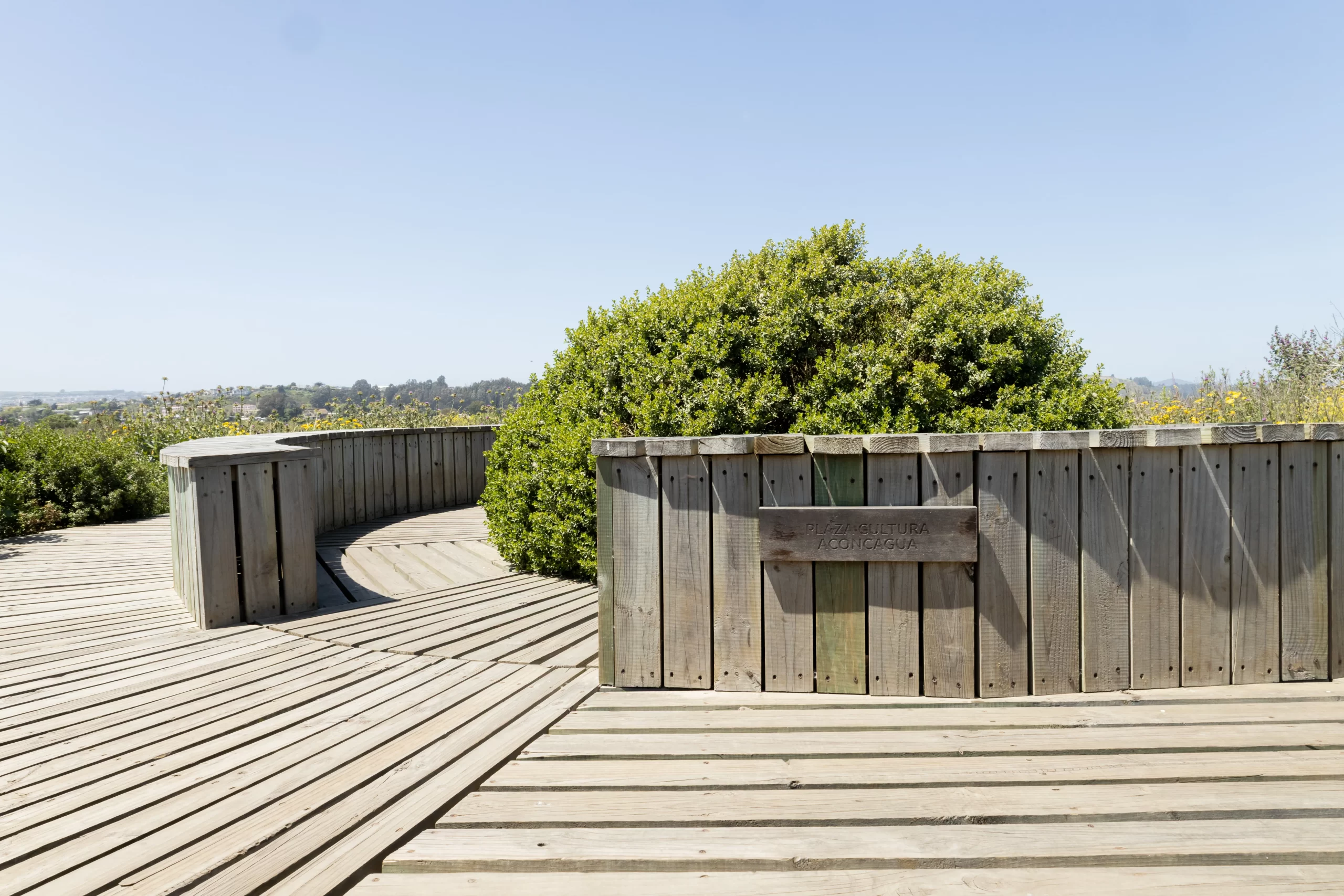
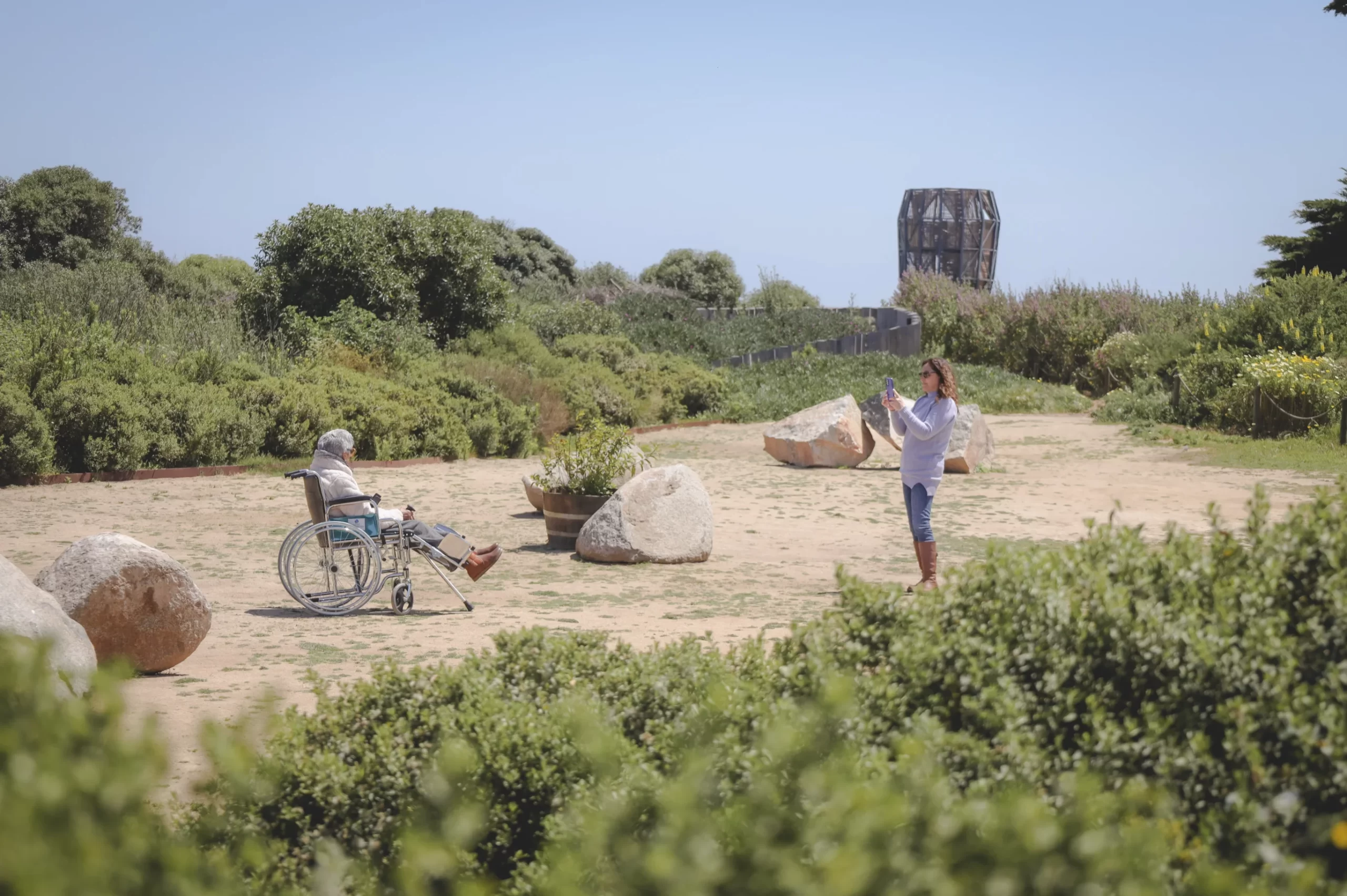
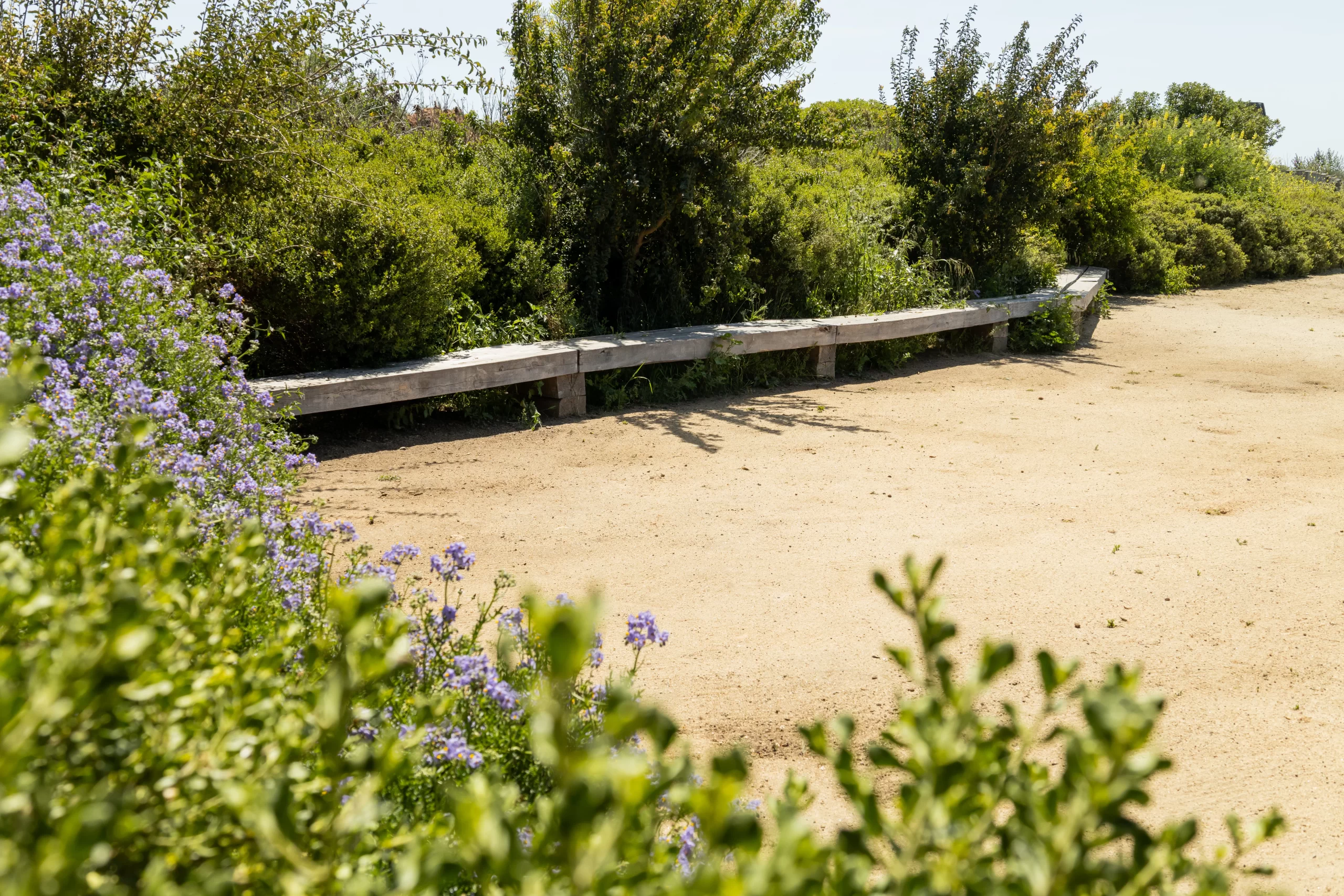
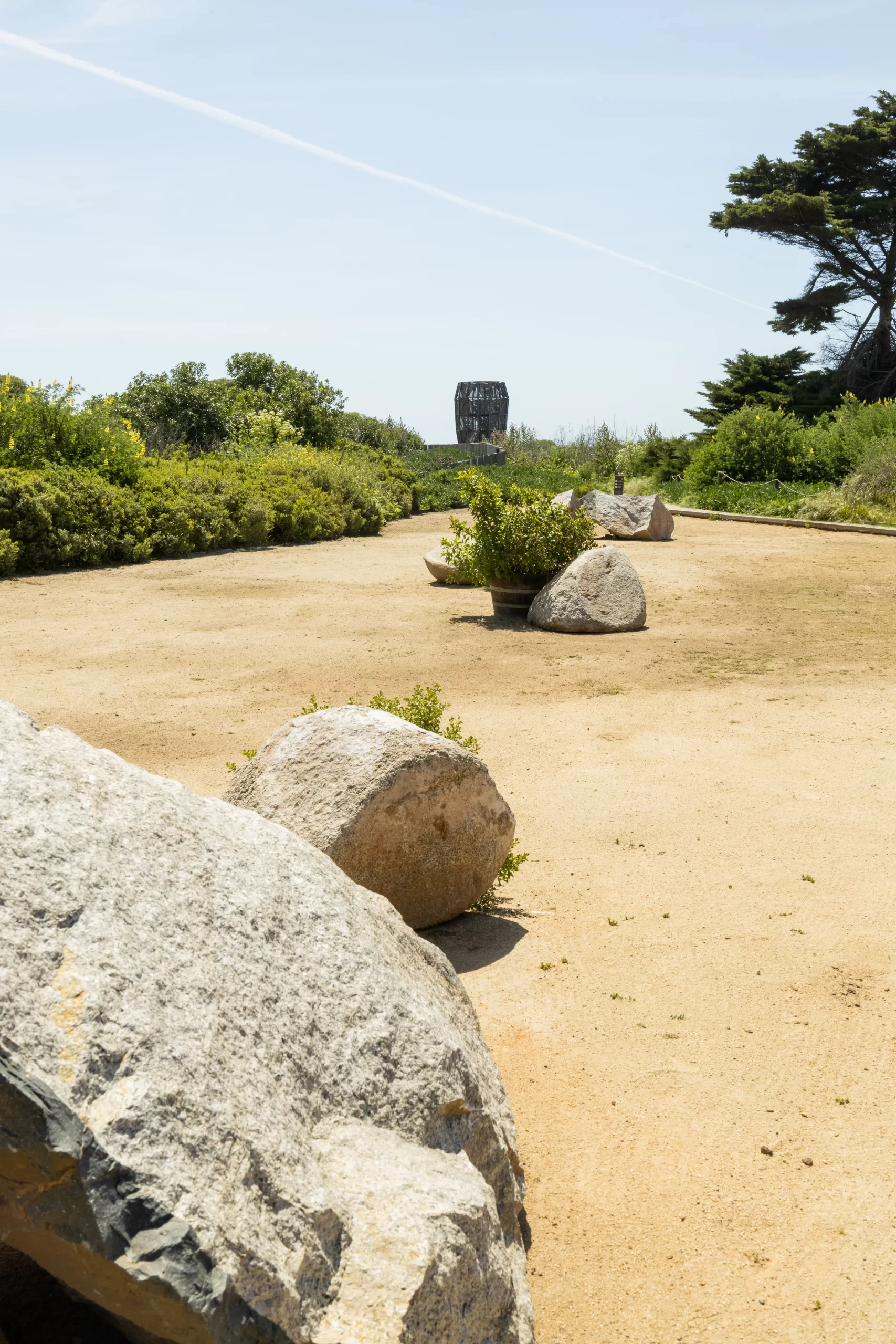
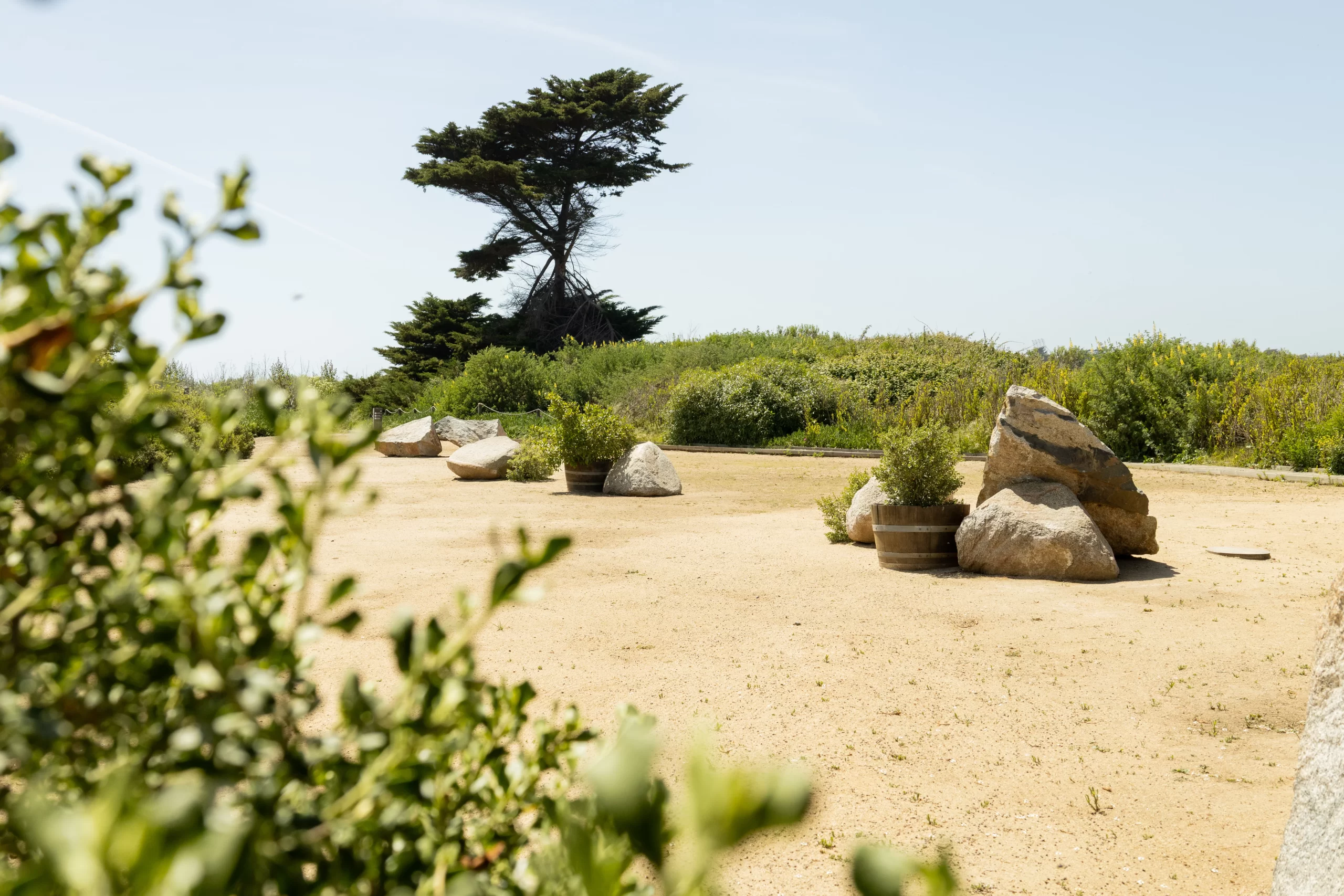
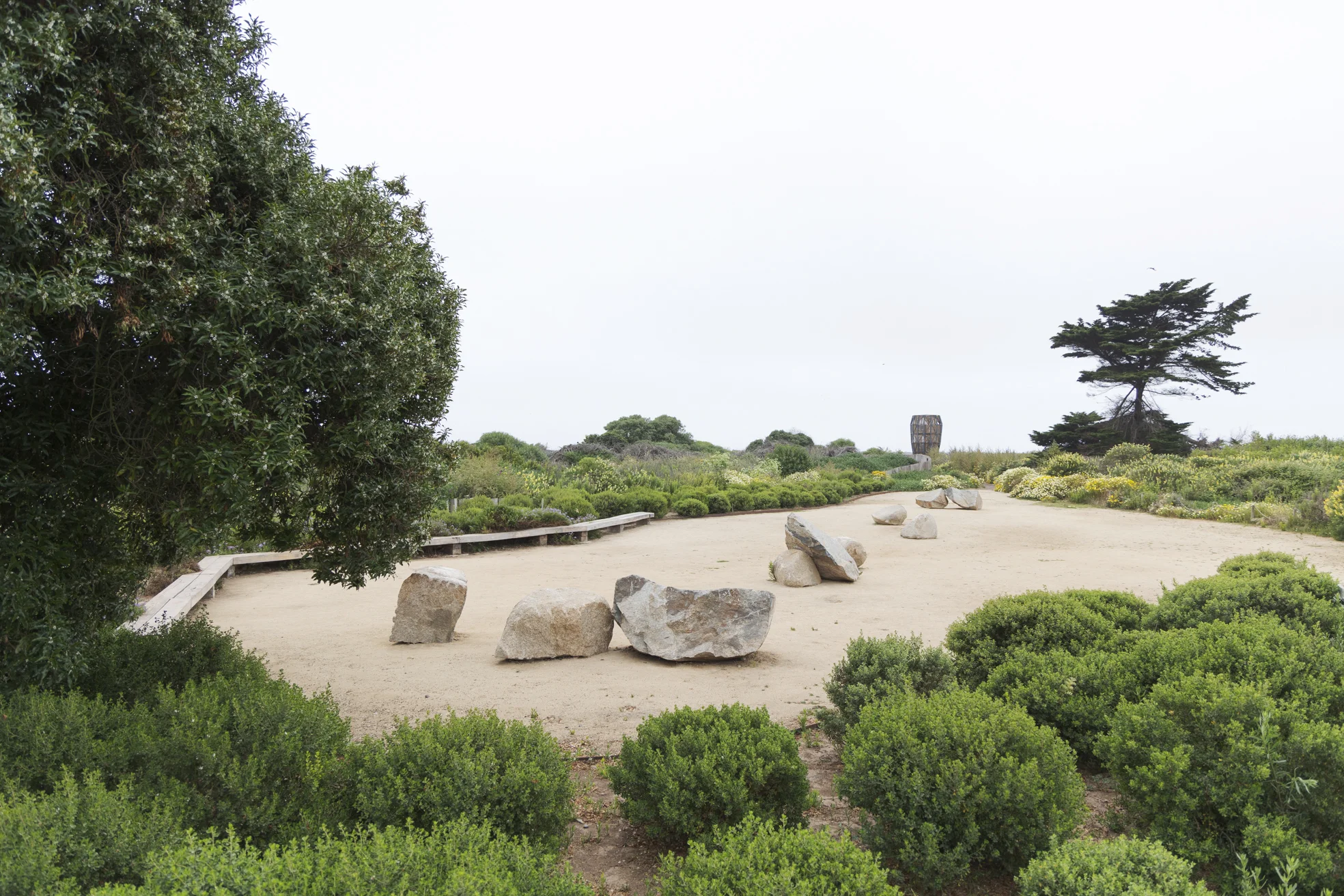
Pajonales Square is a 1,300 m² esplanade situated in the center of the Park sector. Its design features a zigzagging bench and rocks arranged as natural sculptures, creating spaces for rest, play, and contemplation of the landscape. This area serves as a meeting place, used for celebrations or for reflection after a guided tour.
Trile Education Room
Trile Education Room
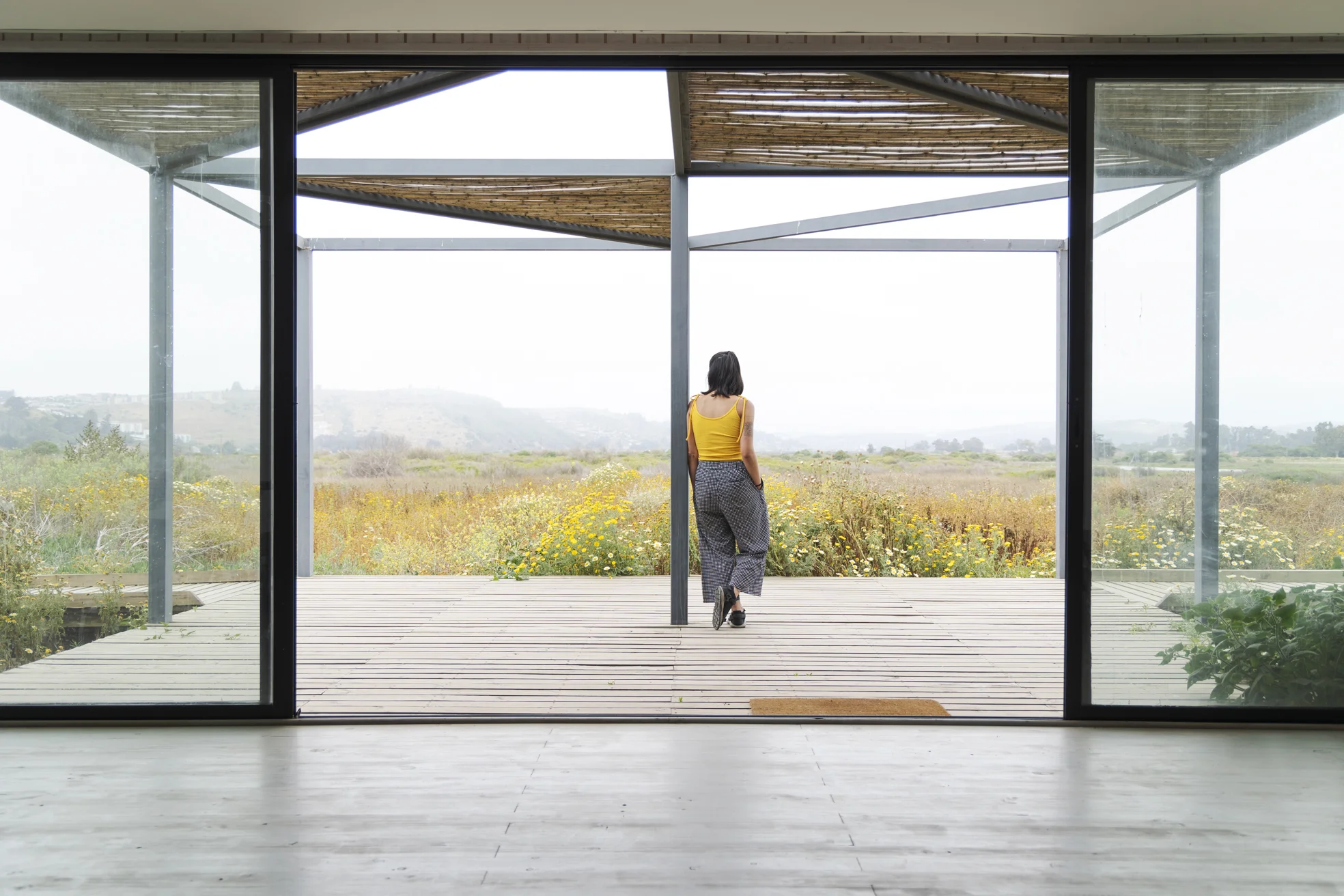
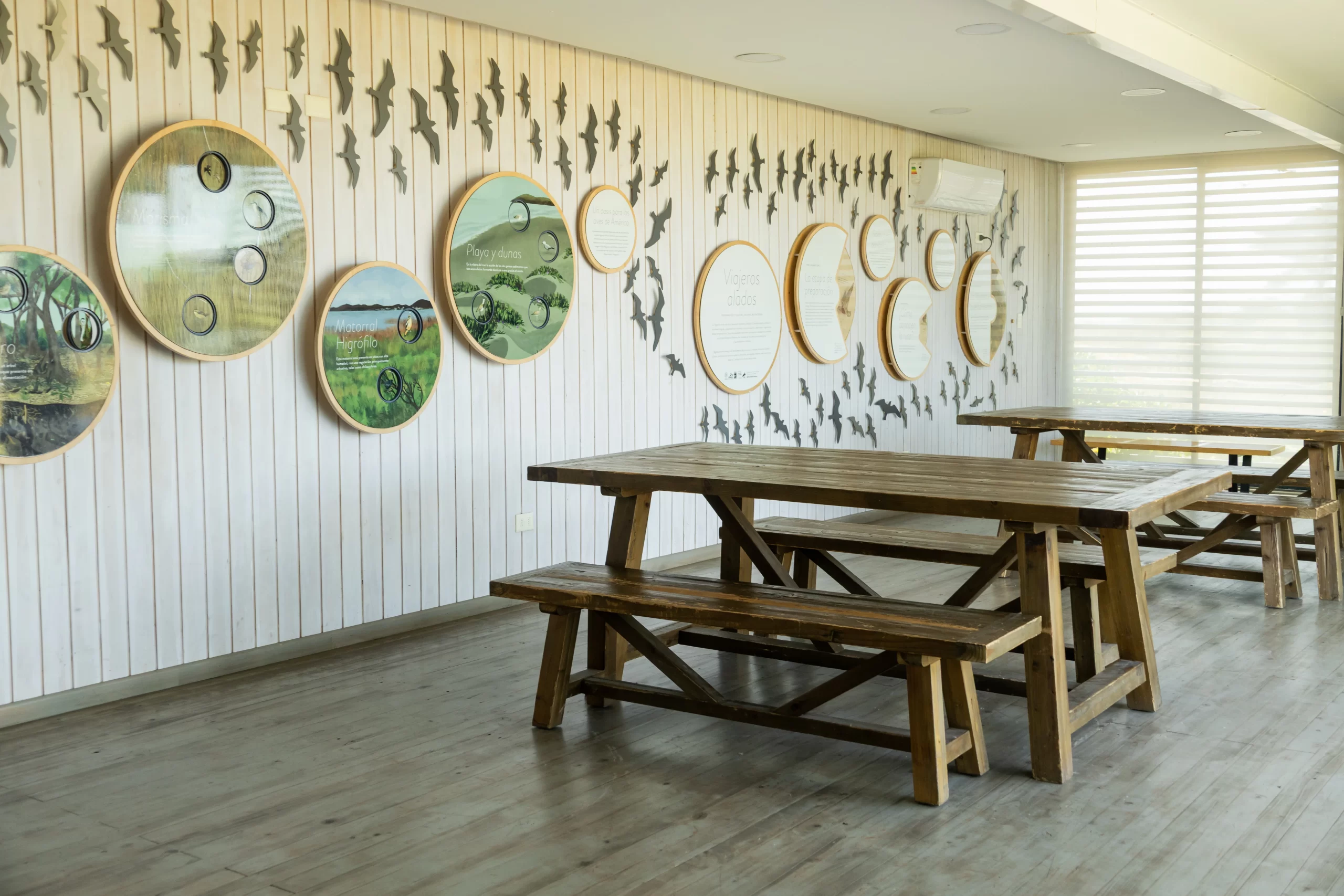
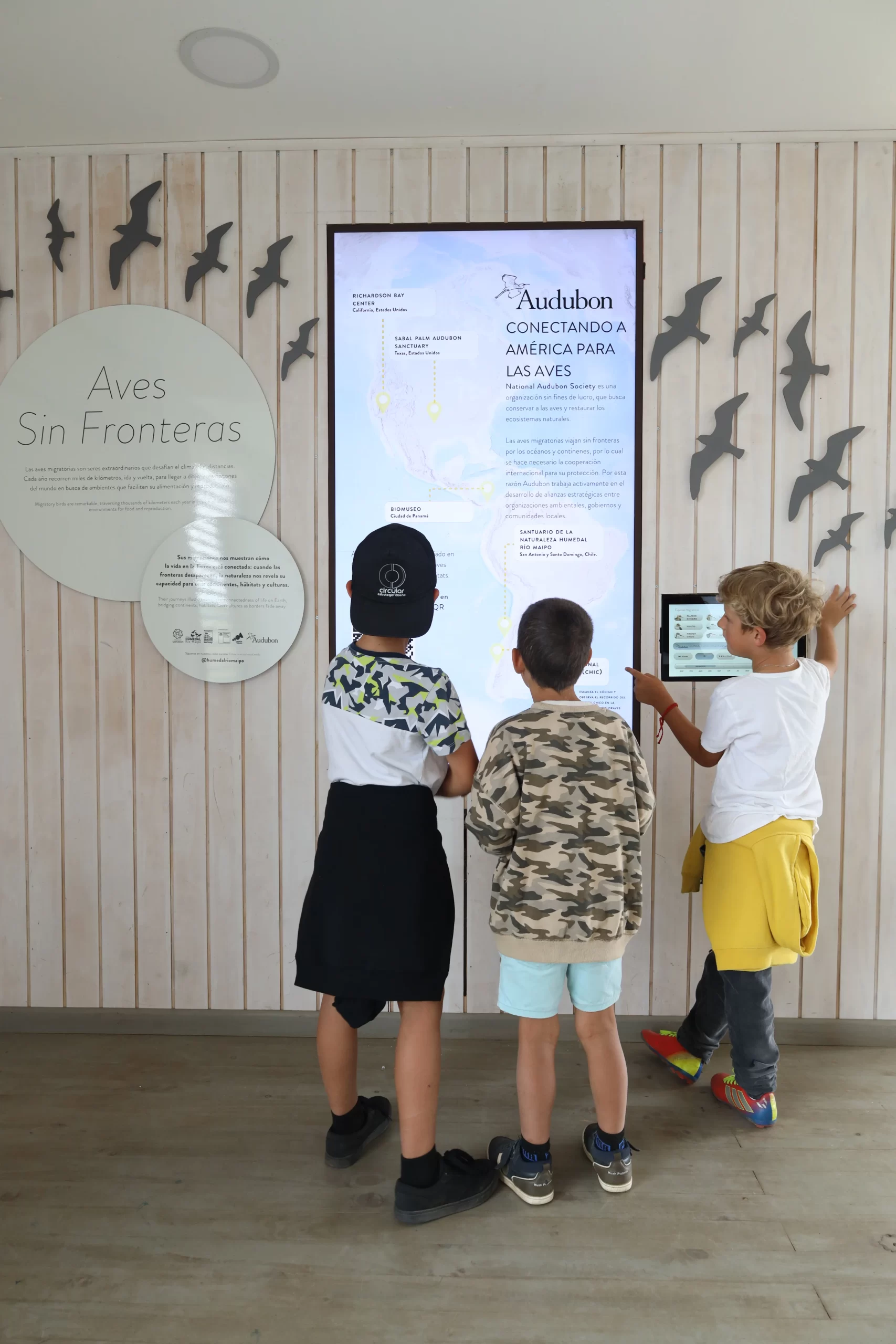
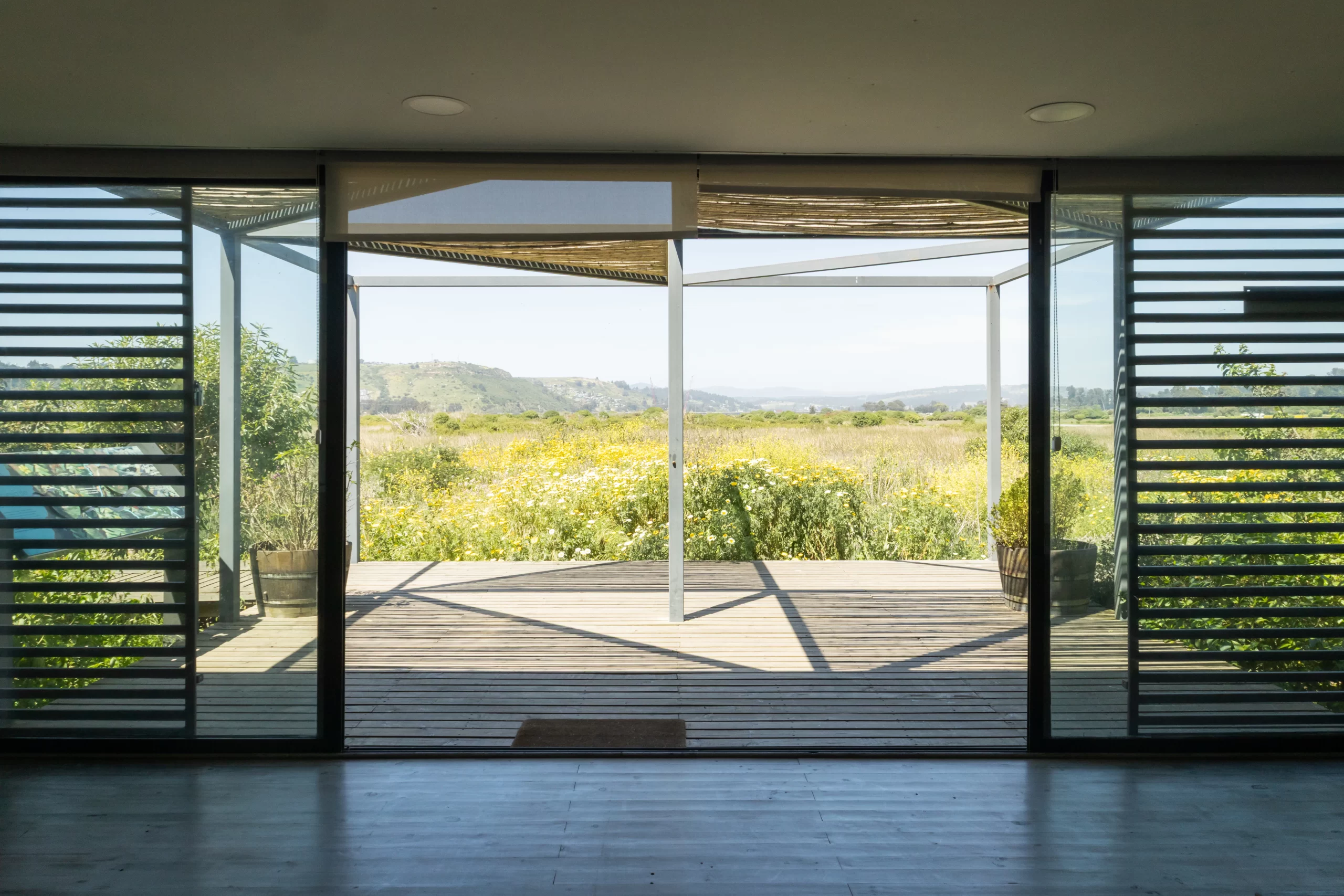
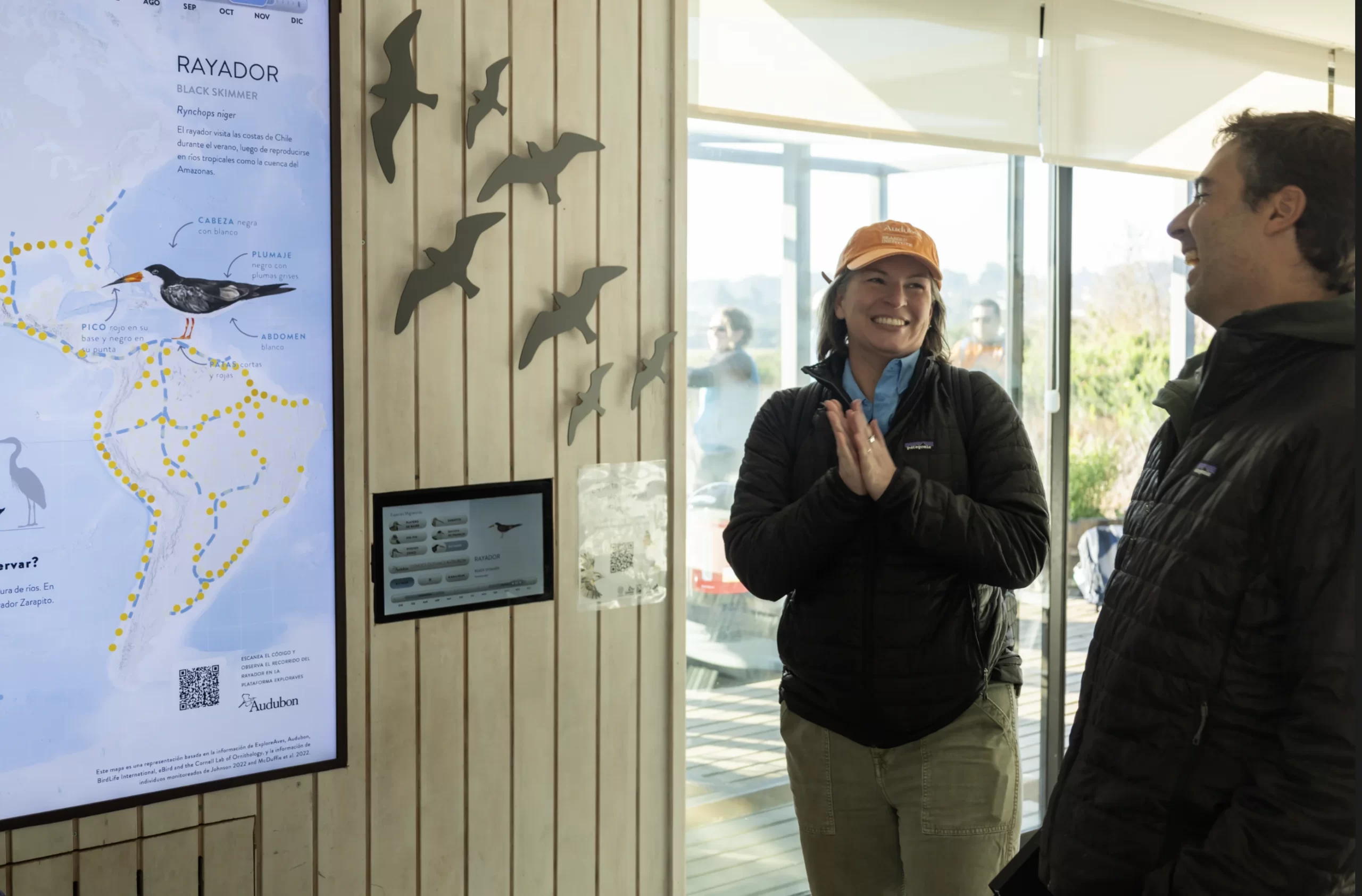
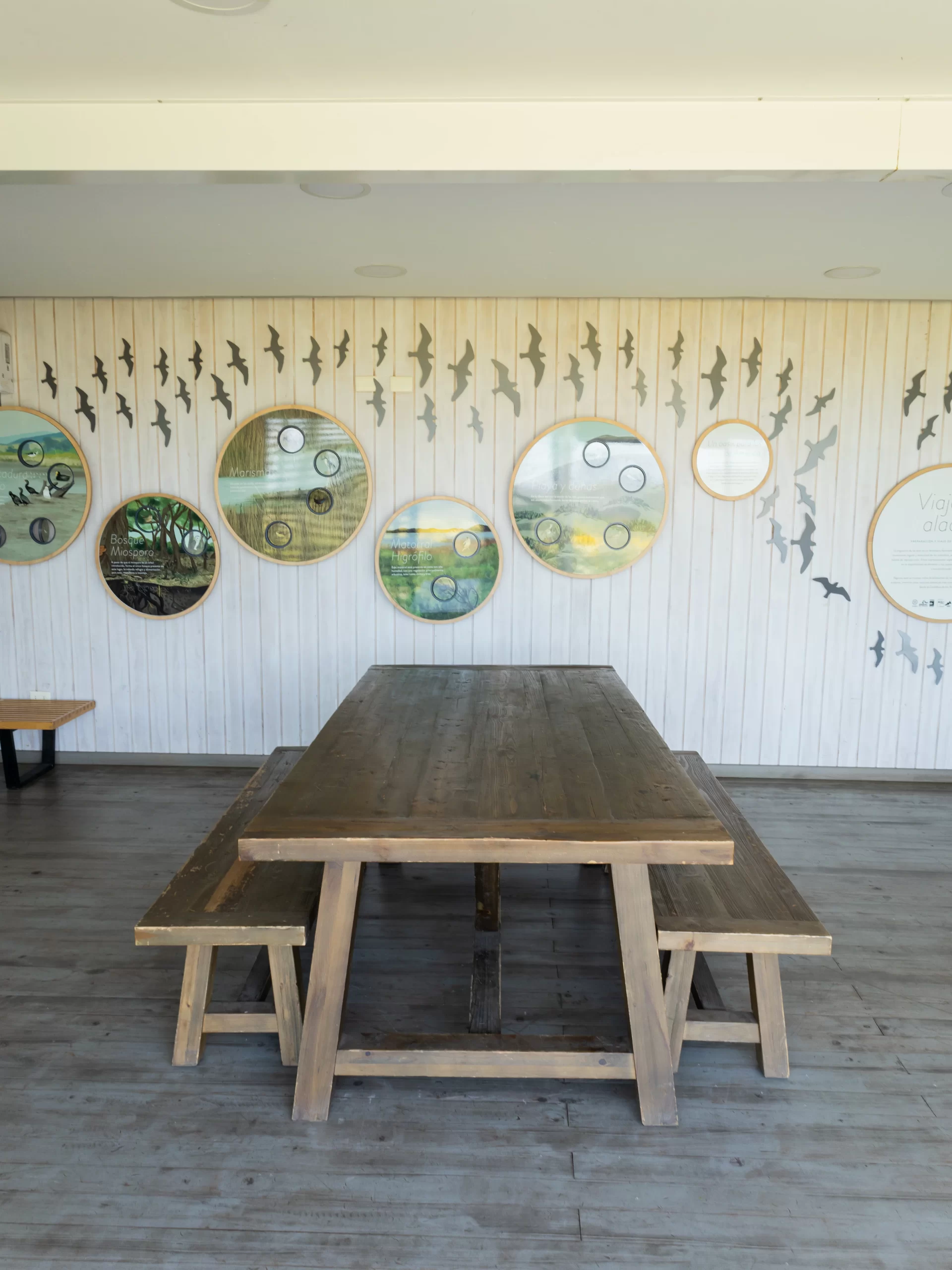
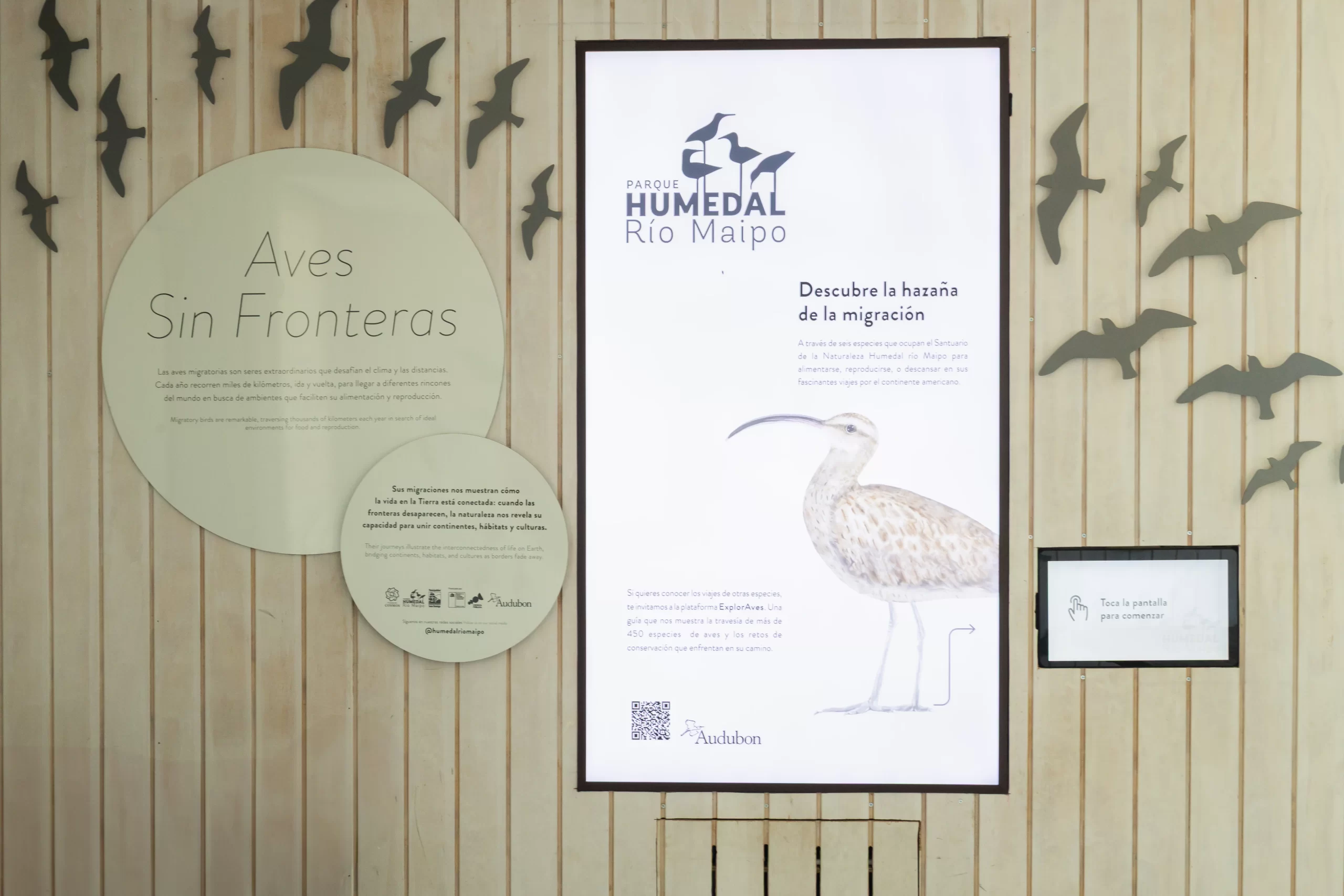
The space covers 60 m² and is open to the community for various activities. It features an educational museographic exhibition that showcases the different habitats of the wetland, highlights the diversity of bird species, and emphasizes the area’s significance for migratory birds. An interactive digital kiosk, developed with the collaboration and financial support of the National Audubon Society, displays information about some of the migratory birds that use this wetland during their journeys and showcases their remarkable flyways.
With a stunning view of the pajonal in the park’s eastern sector, the venue is equipped to host talks, meetings, exhibitions, and other events.

Pajonales Lookout
The platform offers a wide view for closely observing the pajonales and their unique underwater vegetation. This includes plants that are rooted at the bottom of the water and rise above the surface, such as bulrush (Scirpus californicus) and cattail (Typha angustifolia). Additionally, you may spot various birds inhabiting the pajonales, including herons, Yellow-winged Blackbird, Stripe-backed bittern, Wren-like Rushbird, and Many-colored Rush-tyrant.