Explore the Sanctuary
Approximately 40% of the planet’s species inhabit or reproduce in wetlands at some point in their lives. Humans also rely on these ecosystems for survival.
Biodiversity
The Maipo River travels 250 kilometers before it flows into the Pacific Ocean, where it deposits sediments and nutrients from the Andes Mountains. This process creates an estuary that leads to the formation of the Maipo River Wetland. In this area, the mix of fresh and saltwater results in a variety of habitats, including beaches, dunes, reed beds, scrublands, forests, and shallow bodies of water. These diverse environments support a rich array of biodiversity.
Approximately 40% of the planet’s species inhabit or reproduce in wetlands at some point in their lives. Humans also rely on these ecosystems for survival.
A sanctuary for birds
The mouth of the Maipo River is one of the most diverse and abundant bird habitats in the central coastal zone of Chile, hosting over 190 registered bird species, which represents about 35% of the country’s birdlife.
The Maipo River wetland is also a significant stop along the Pacific migratory bird route, serving as a vital resting, feeding, and breeding ground for thousands of birds migrating from various regions of the Americas.
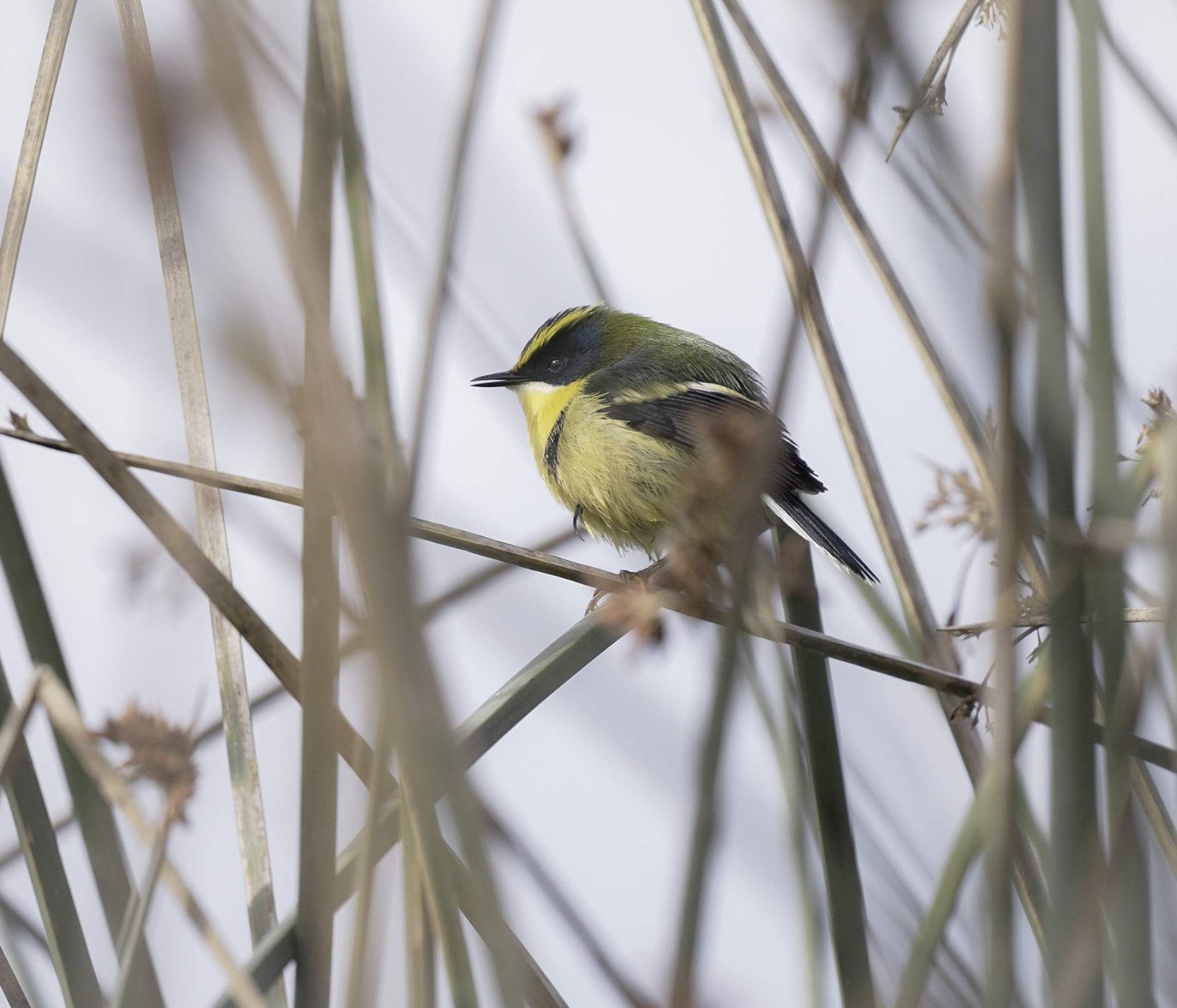
Siete ColoresTachuris rubrigastra
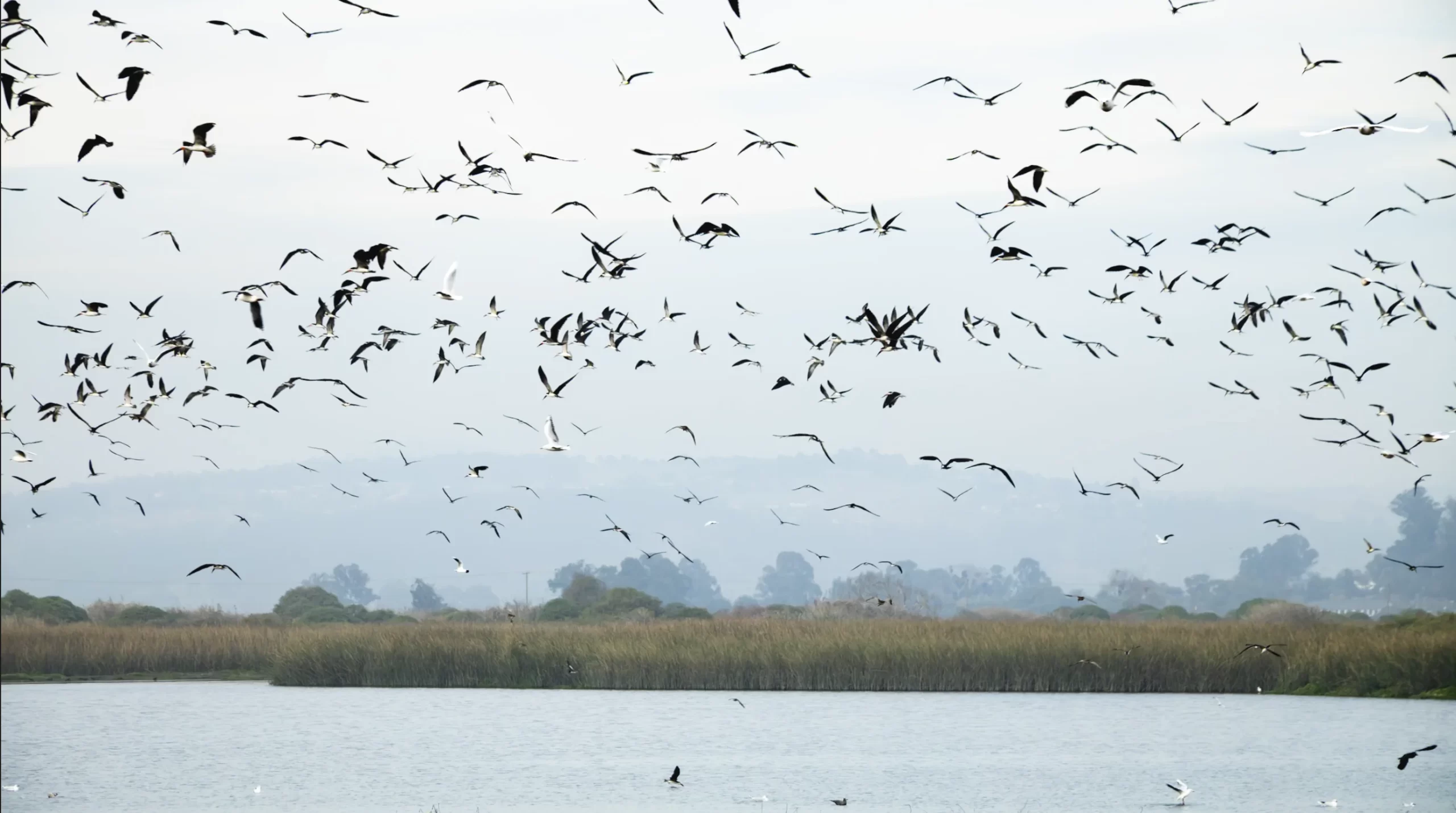
RayadoresRynchops niger
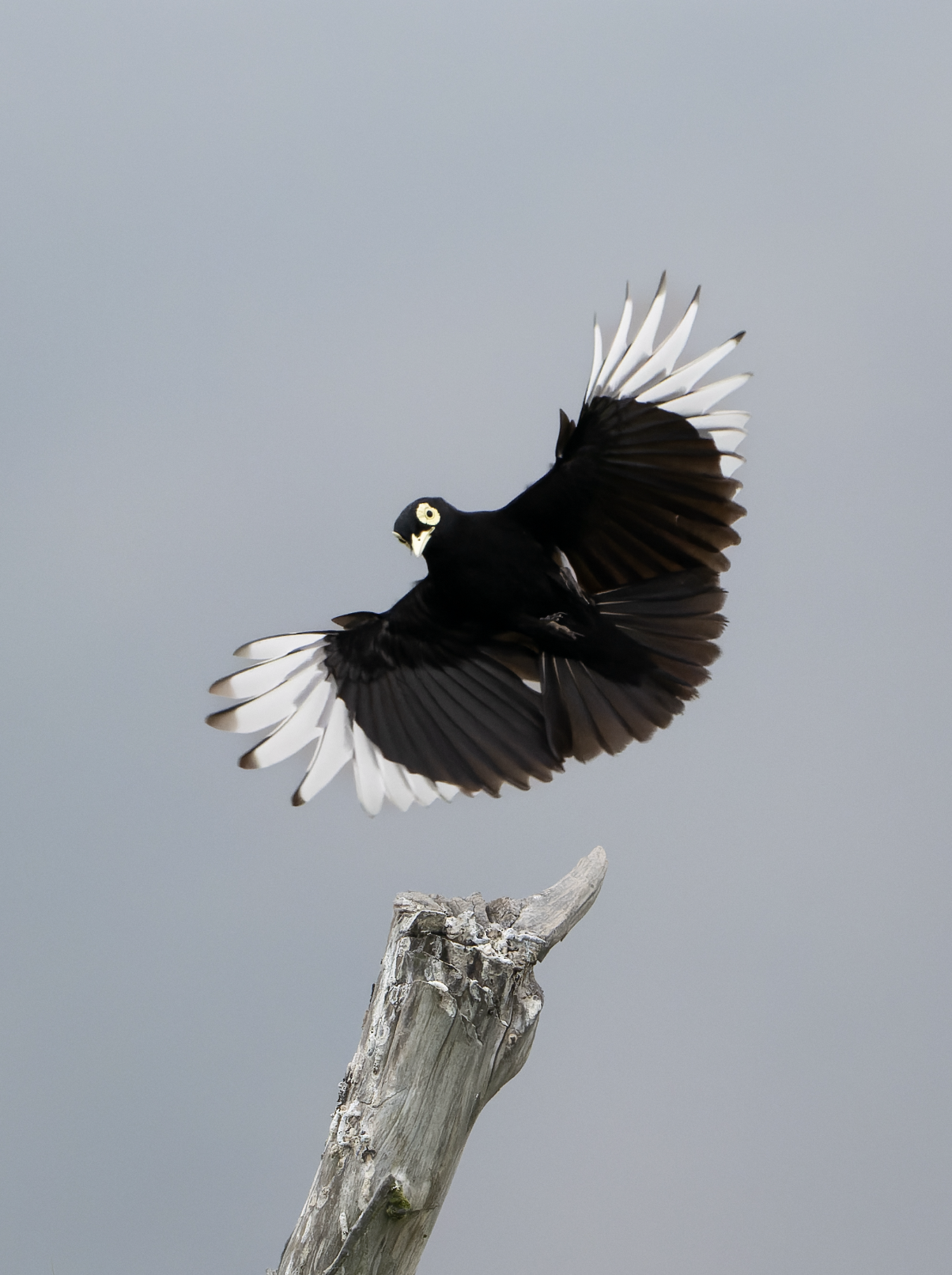
Run-runHymenops perspicillatus
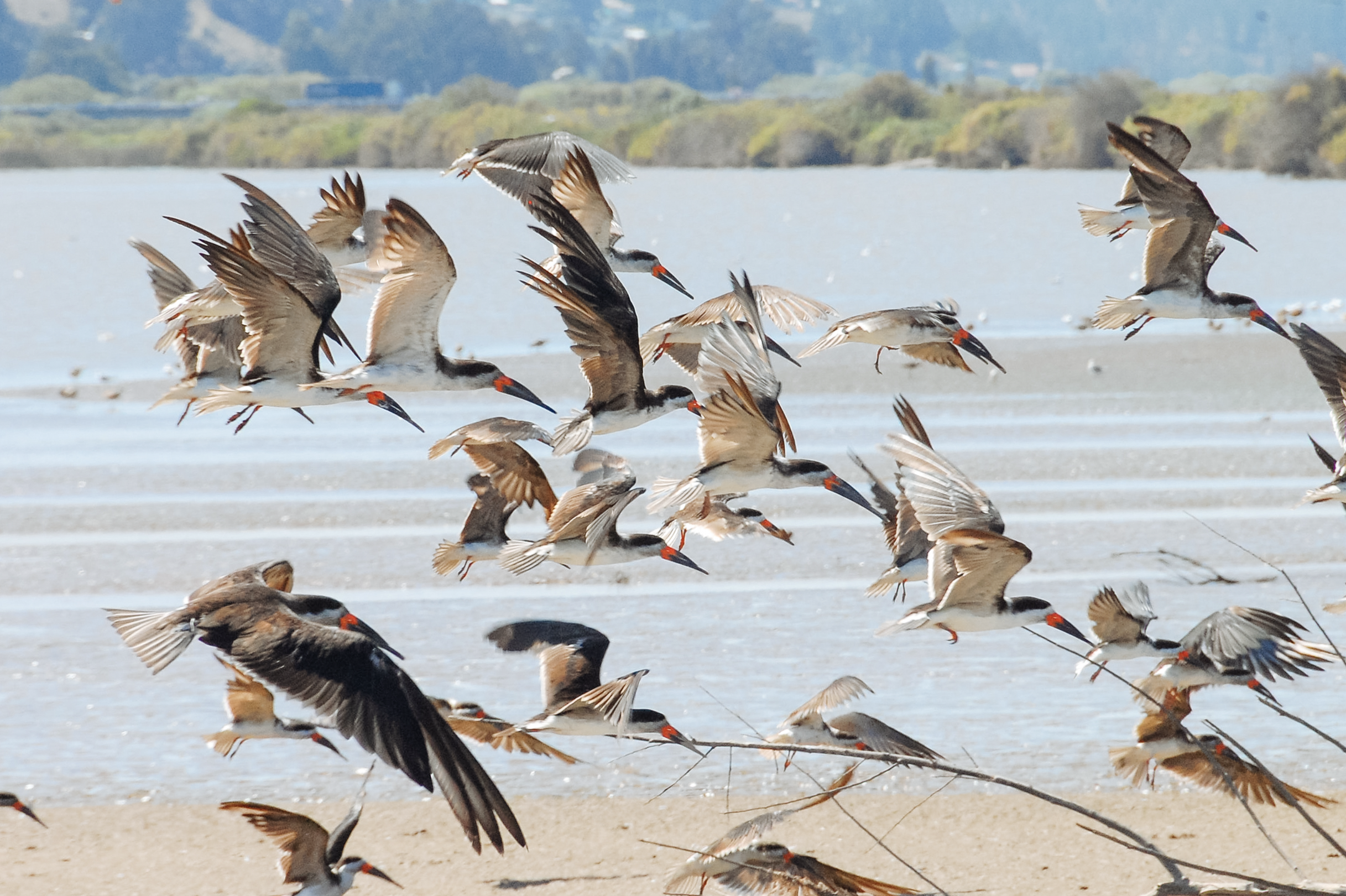
RayadorRynchops niger
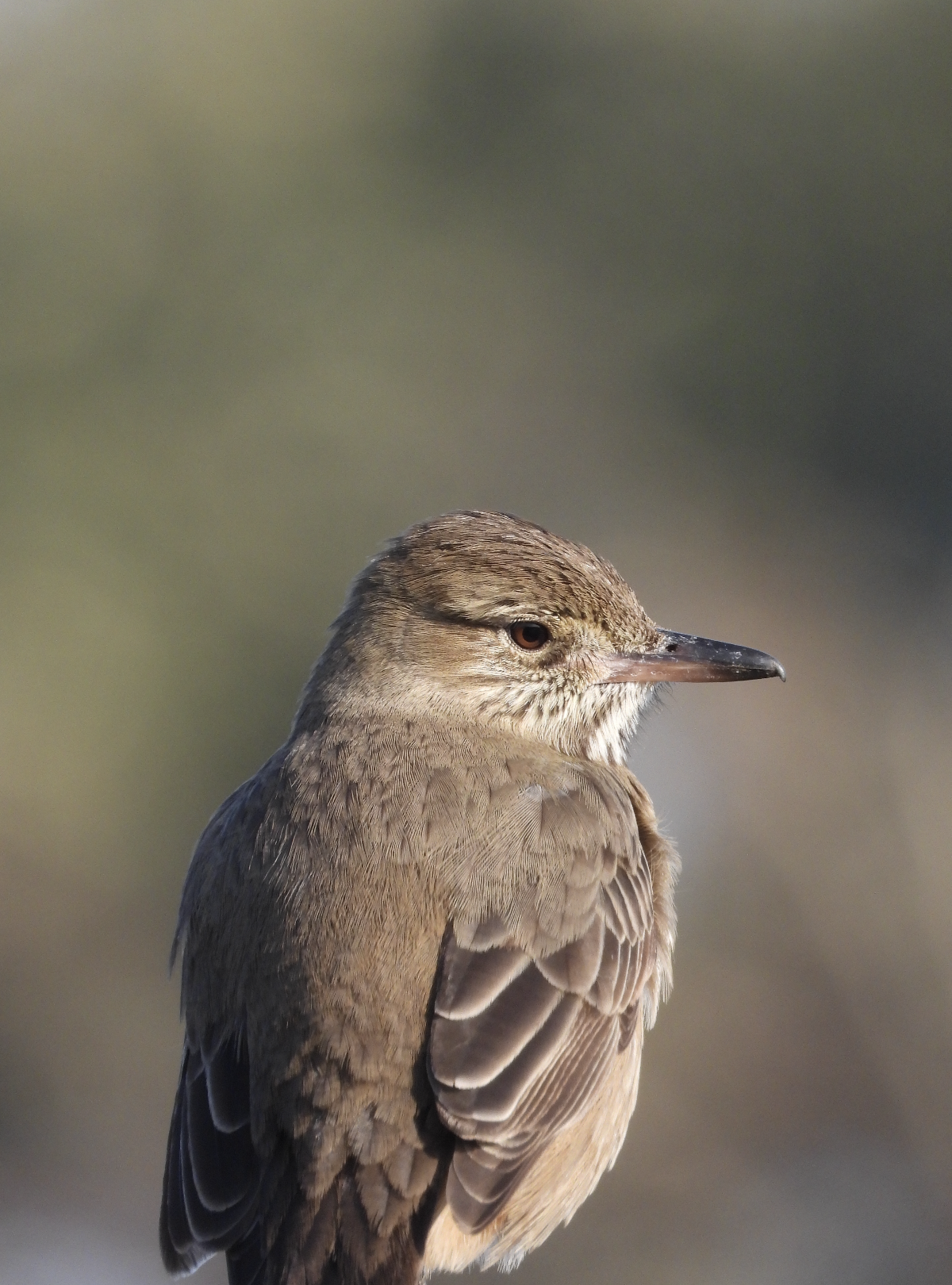
Mero grandeAgriornis lividus
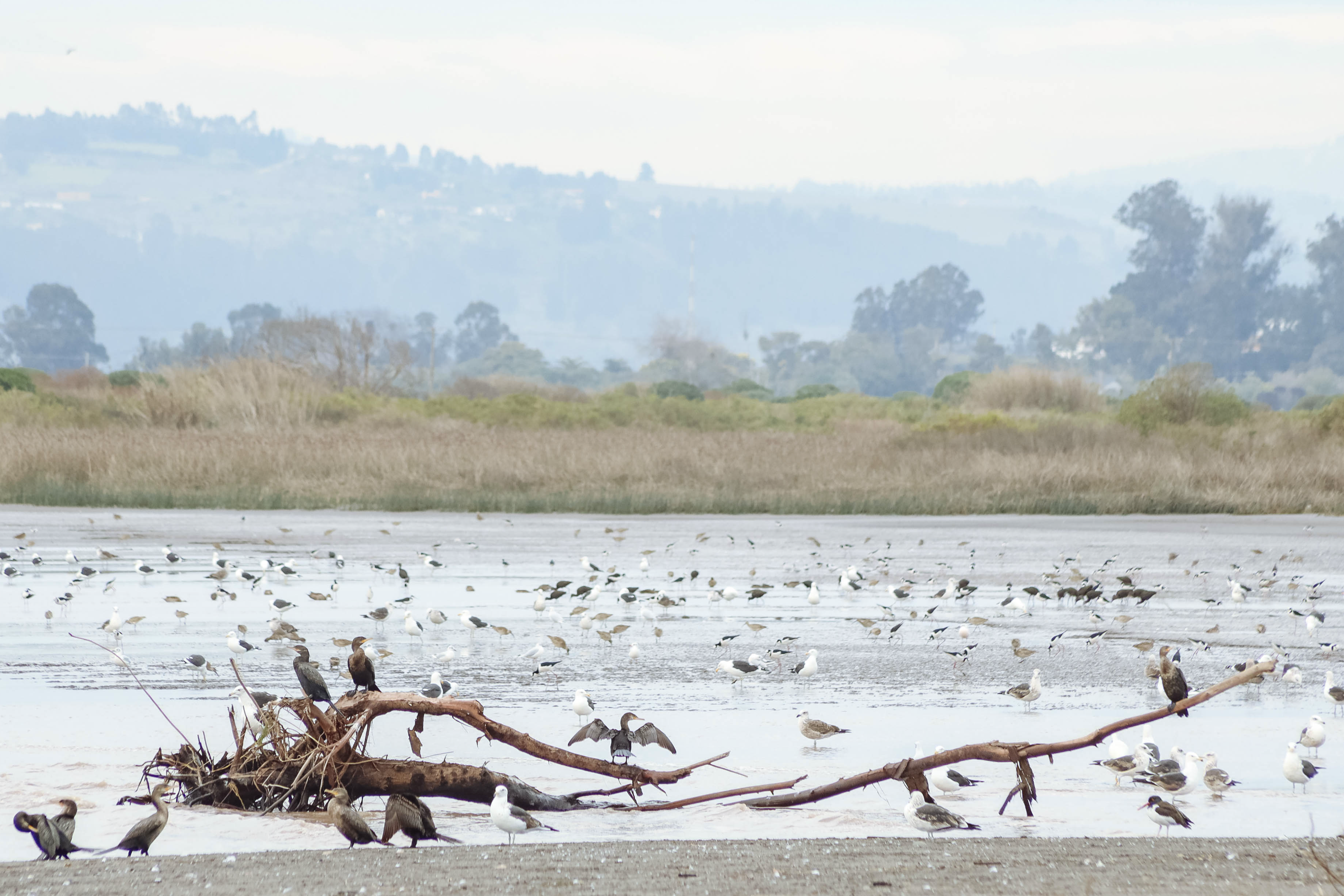
Aves en el estuario
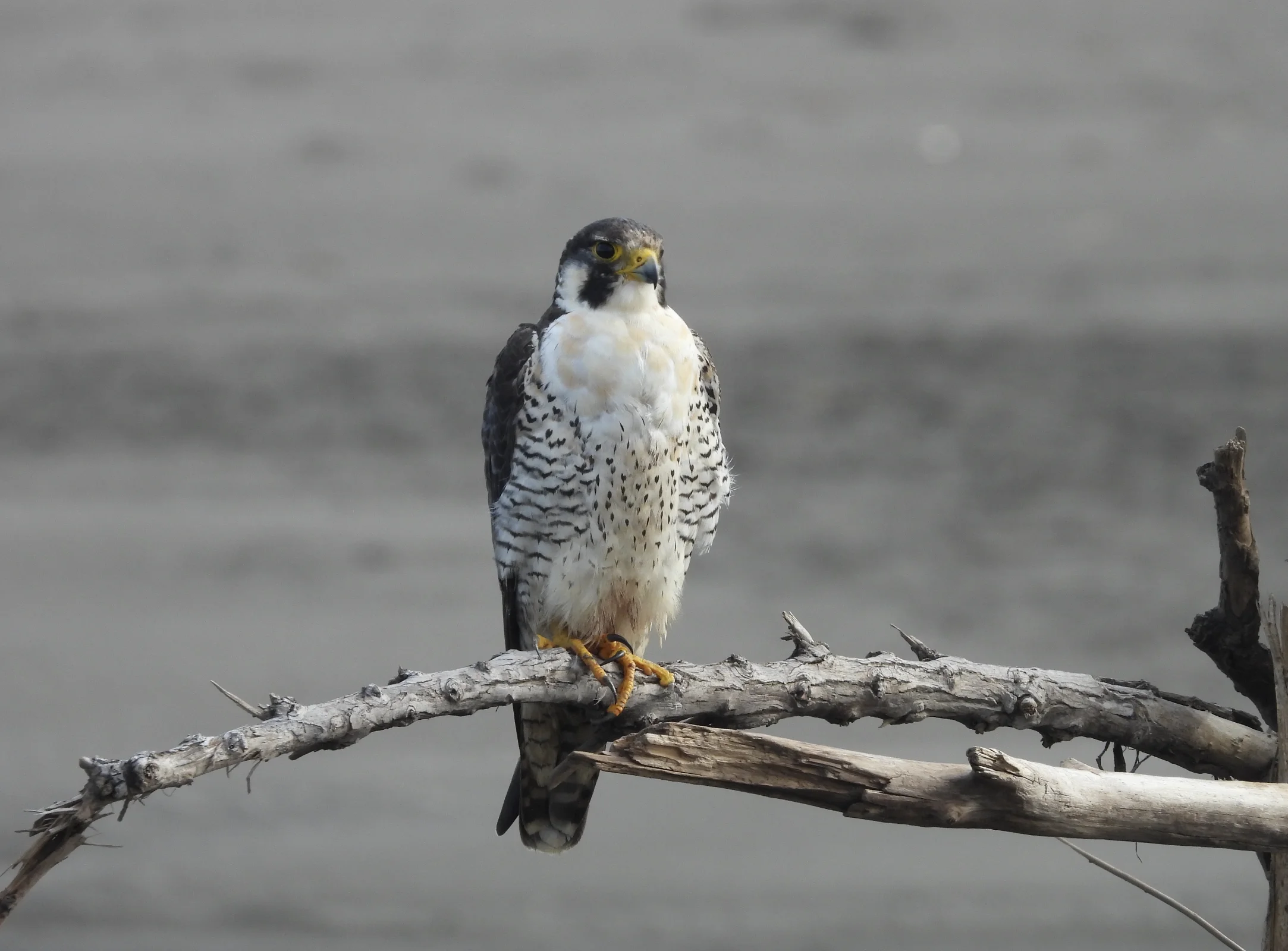
Halcón peregrinoFalco peregrinus
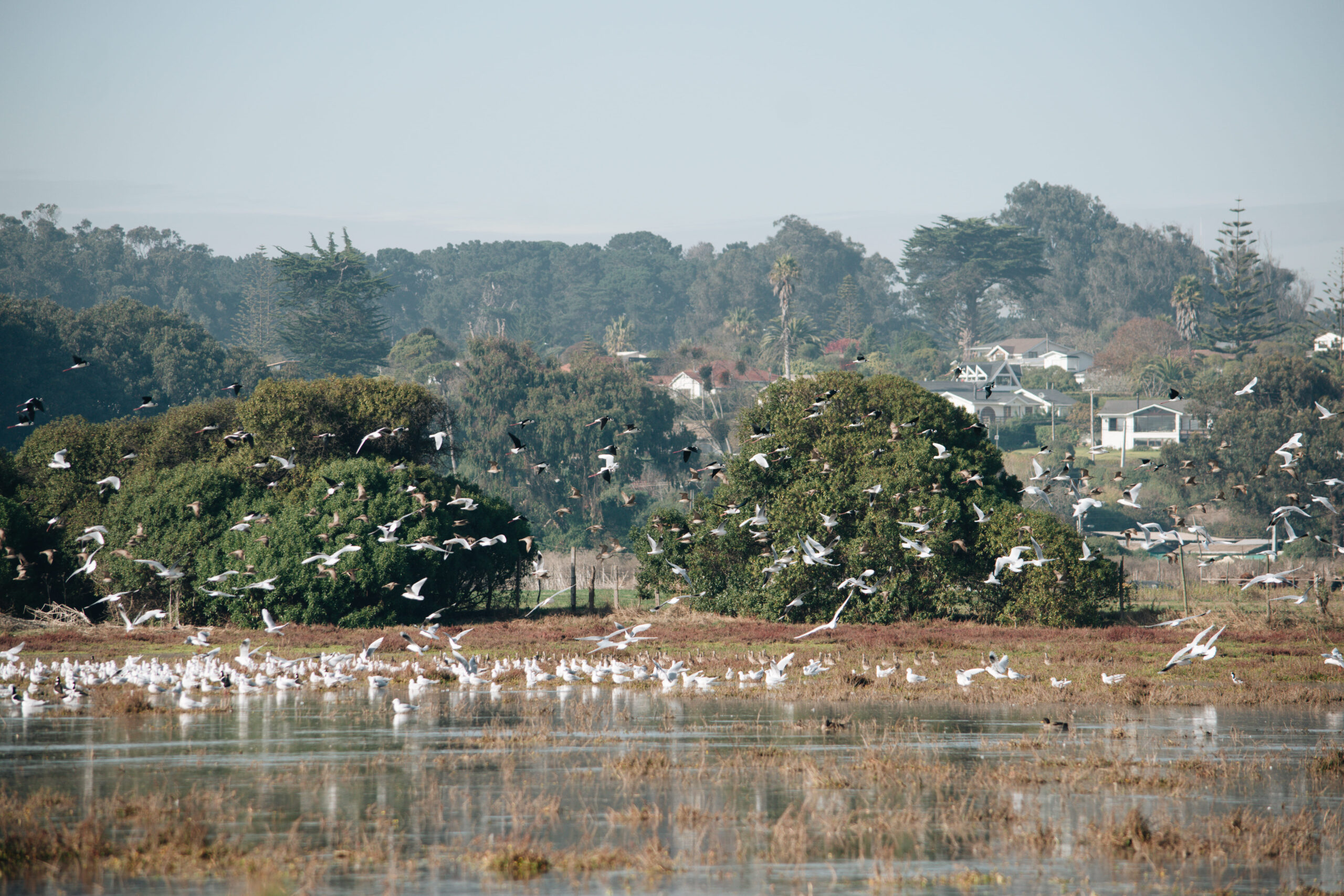
Aves en laguna estacional
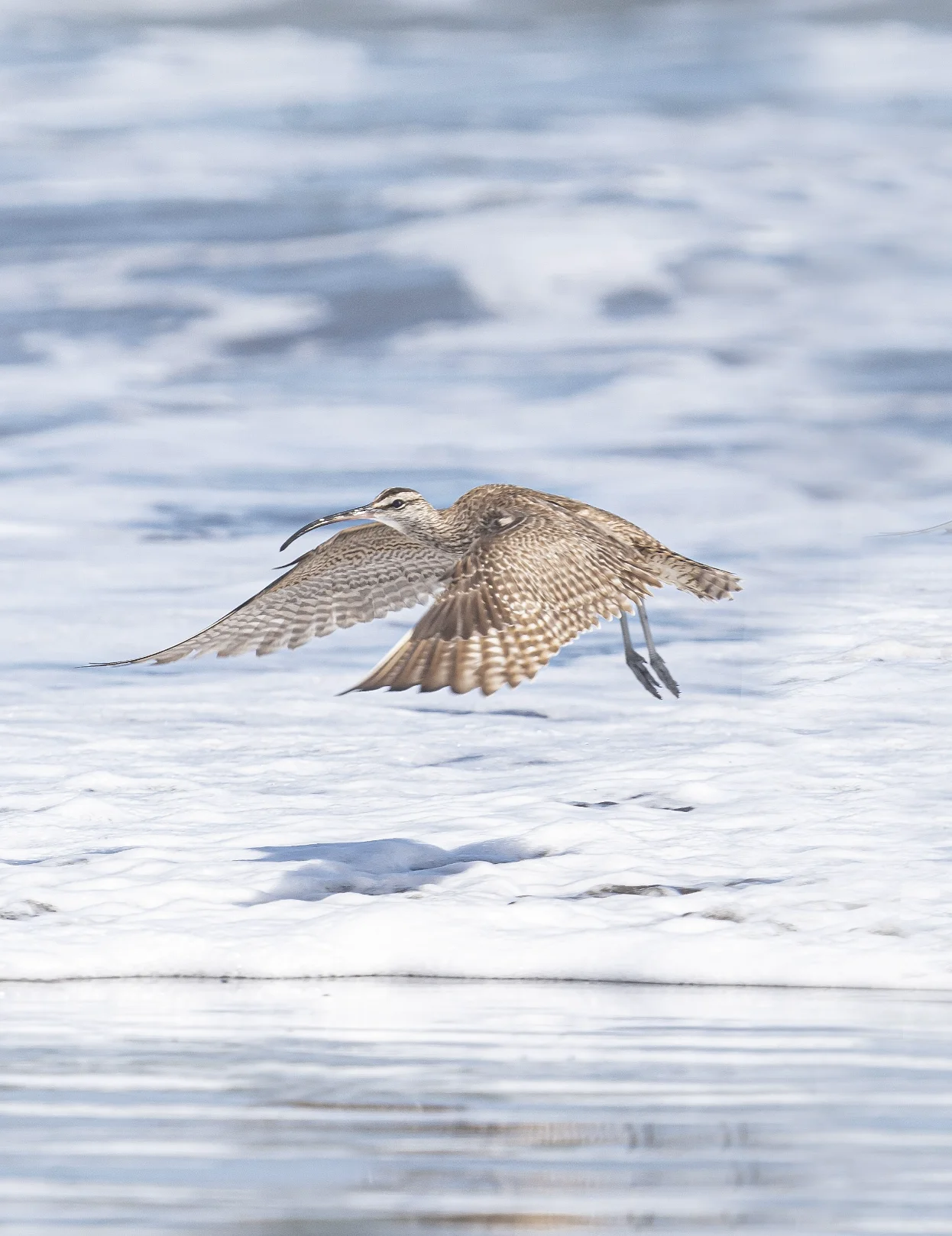
Zarapito comúnNumenius phaeopus
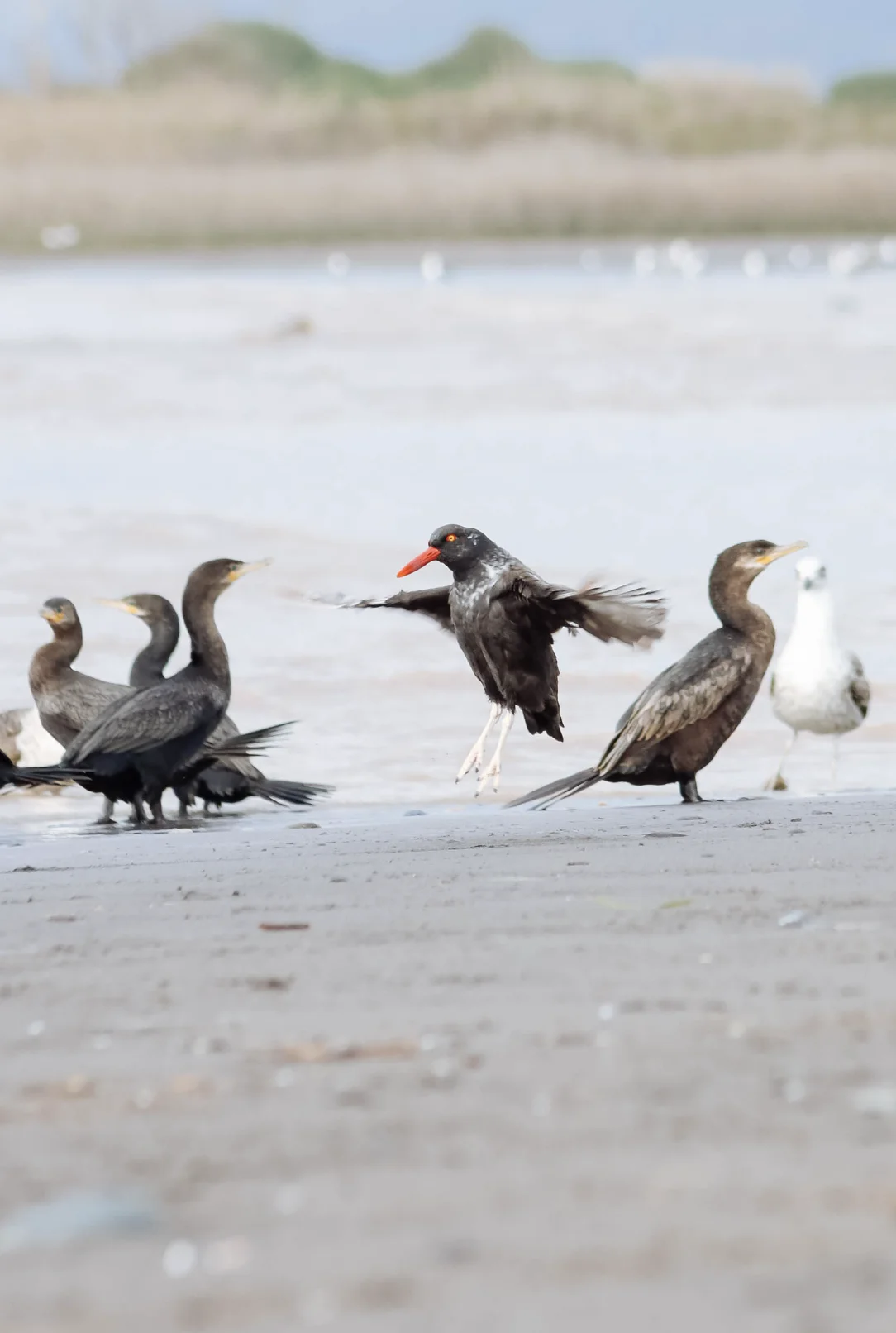
Pilpilén negroHaematopus ater
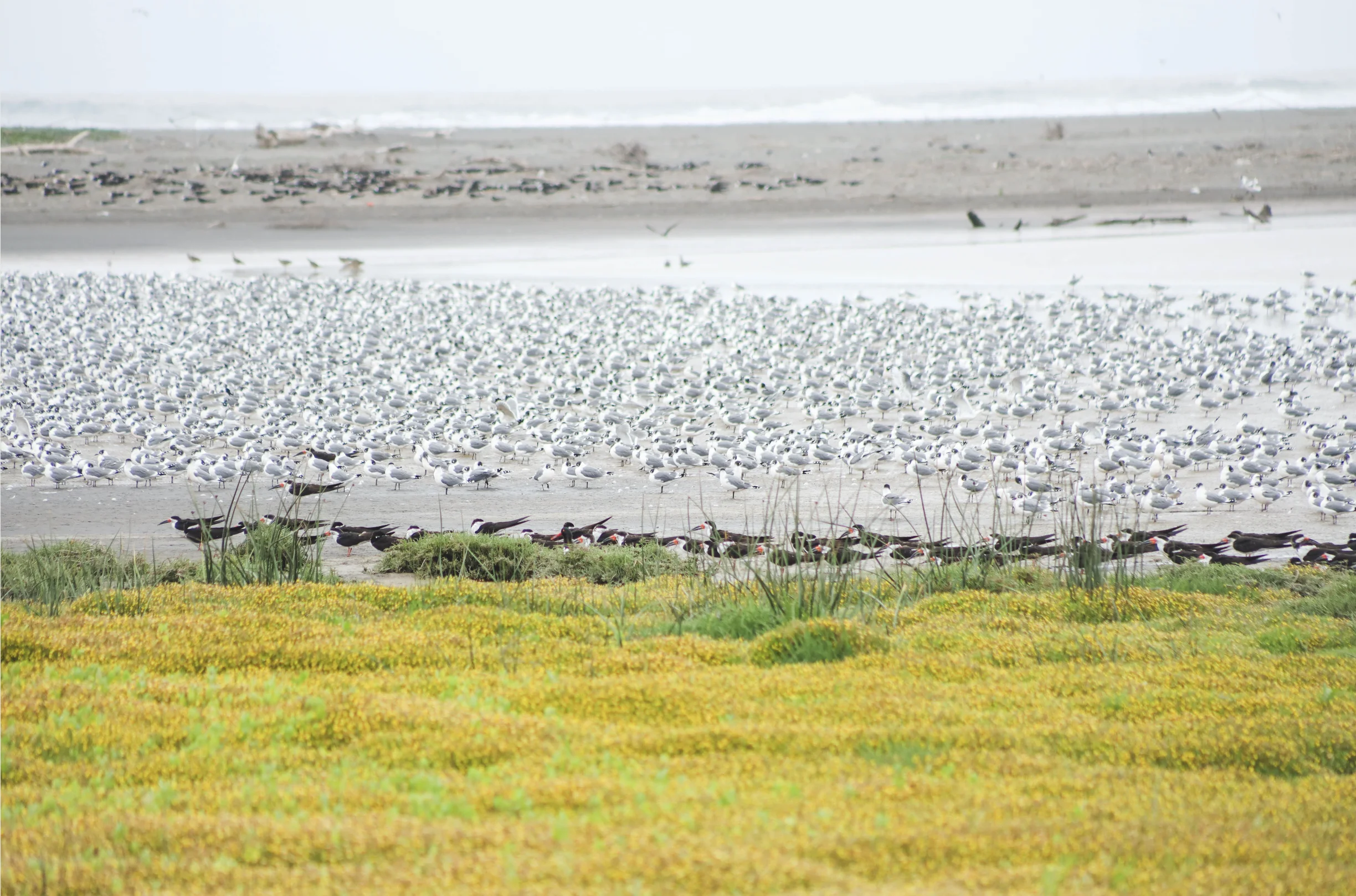
Cientos de aves en el estuario
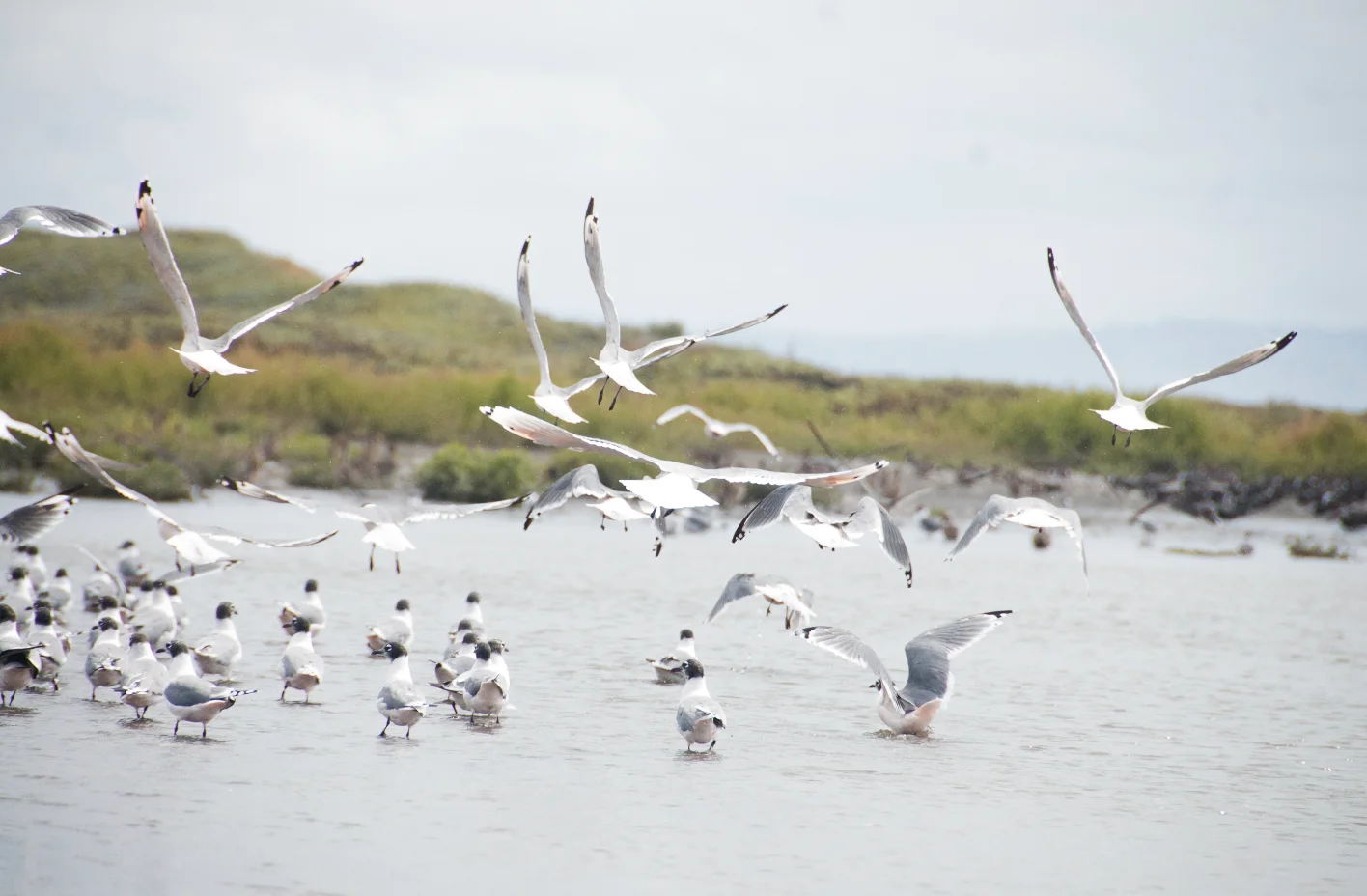
Gaviotas de franklinLeucophaeus pipixcan
Refuge for native coastal flora
The Rio Maipo Wetland Sanctuary is home to a total of 143 plant species. Among these, 32 are native species, 9 are endemic, and 102 are of exotic origin. The most prevalent type of vegetation is herbs, with 108 species identified. This is followed by shrubs, which consist of 26 species, and trees, which include 9 species.
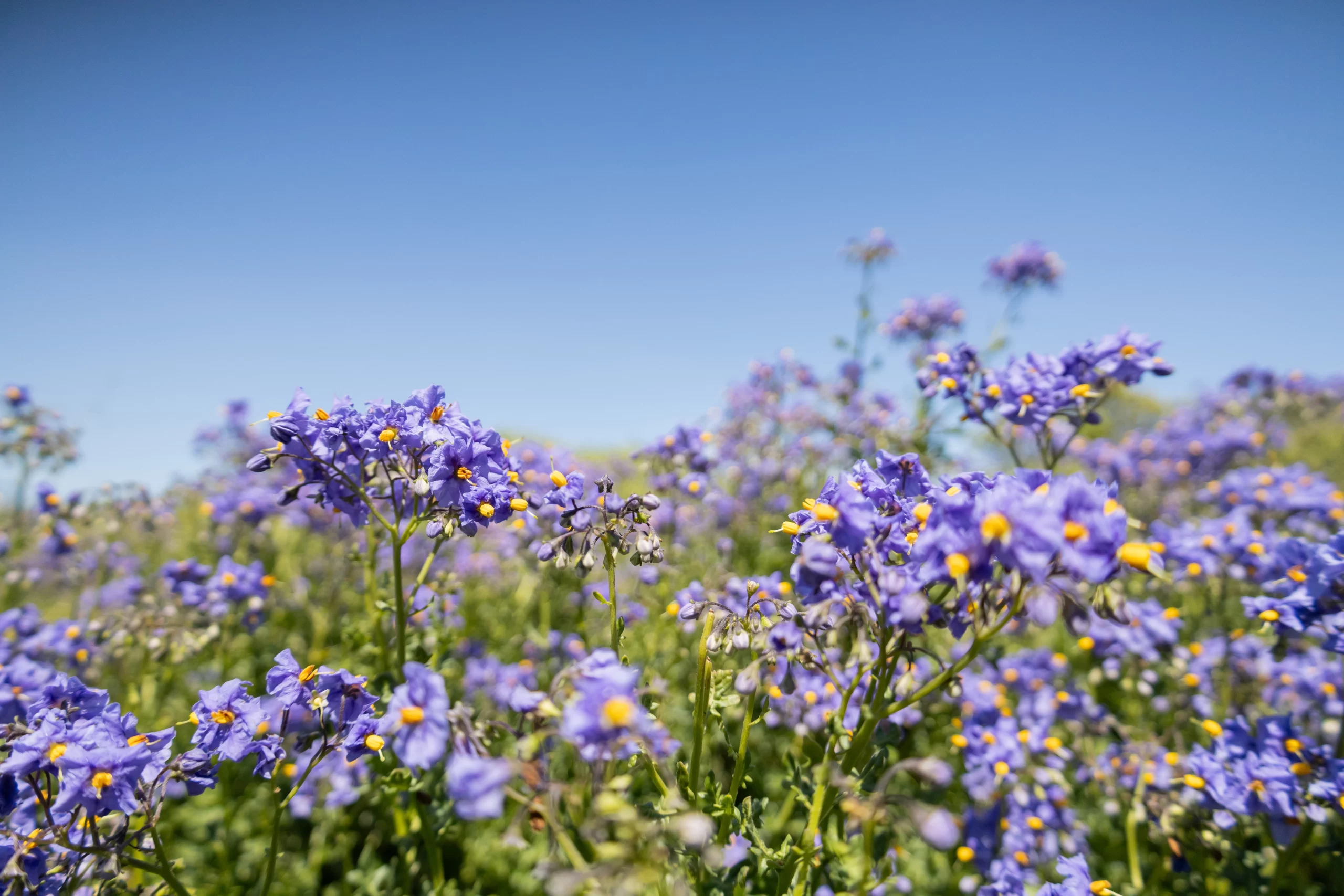
EspartoSolanum pinnatum
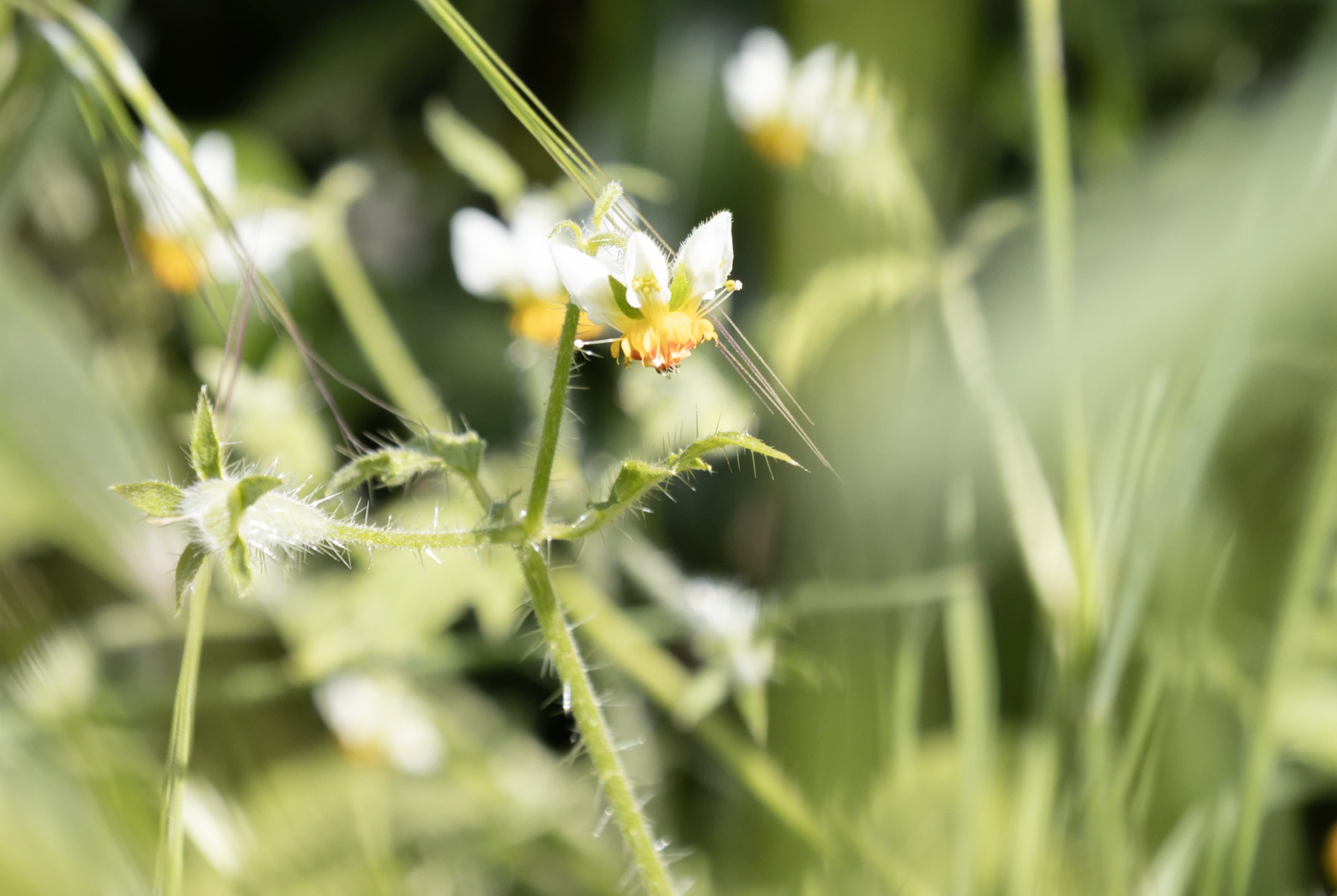
OrtigaLoasa triloba
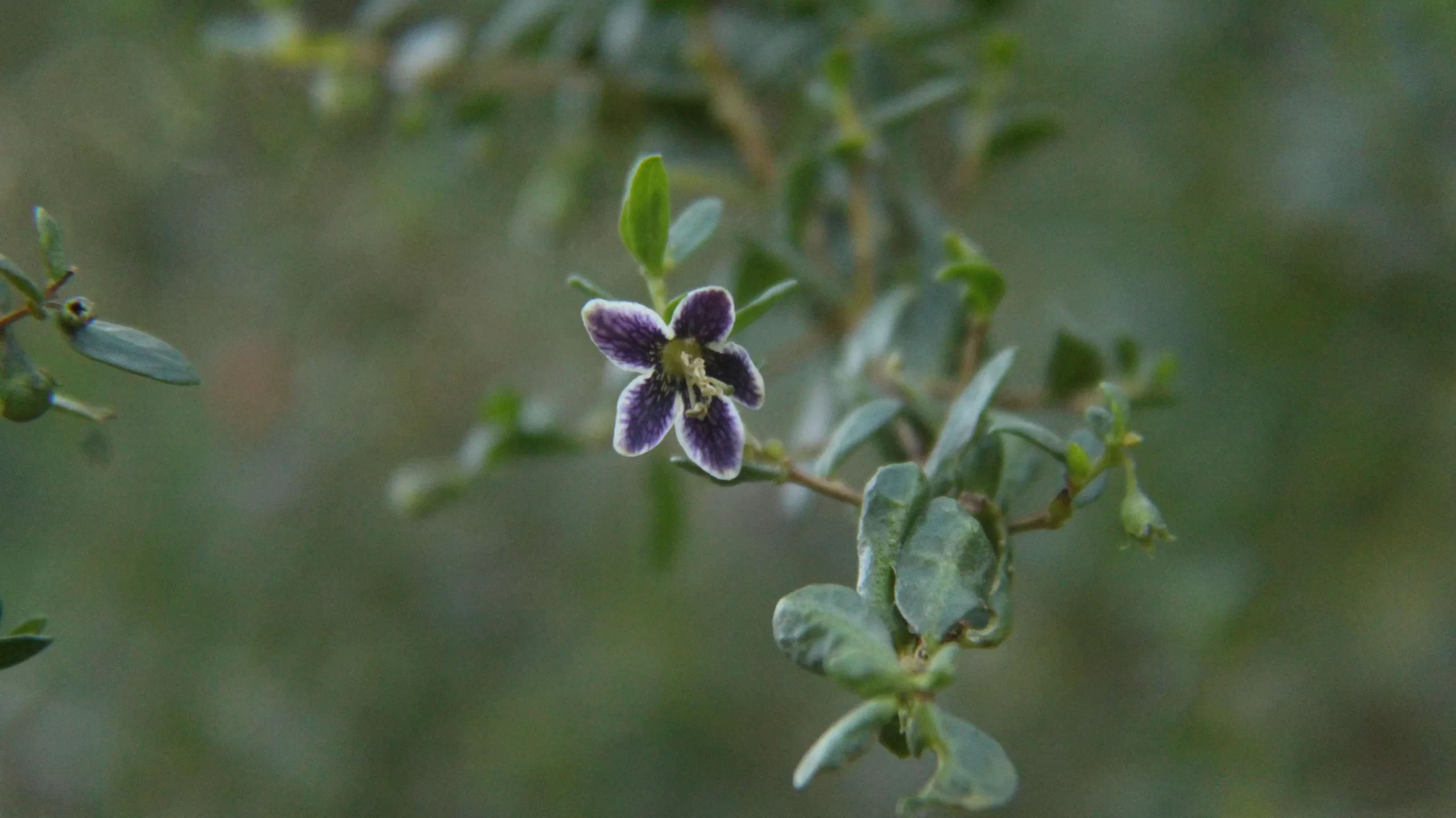
CoralilloLycium chilense
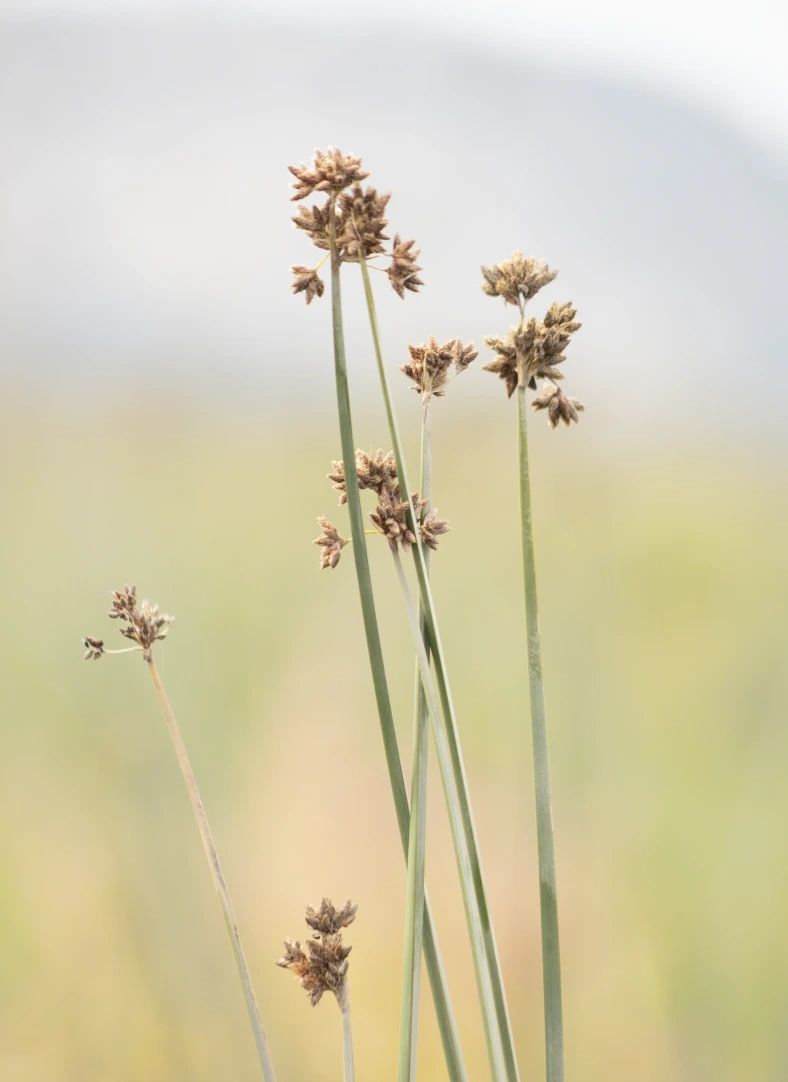
TotoraSchoenoplectus californicus
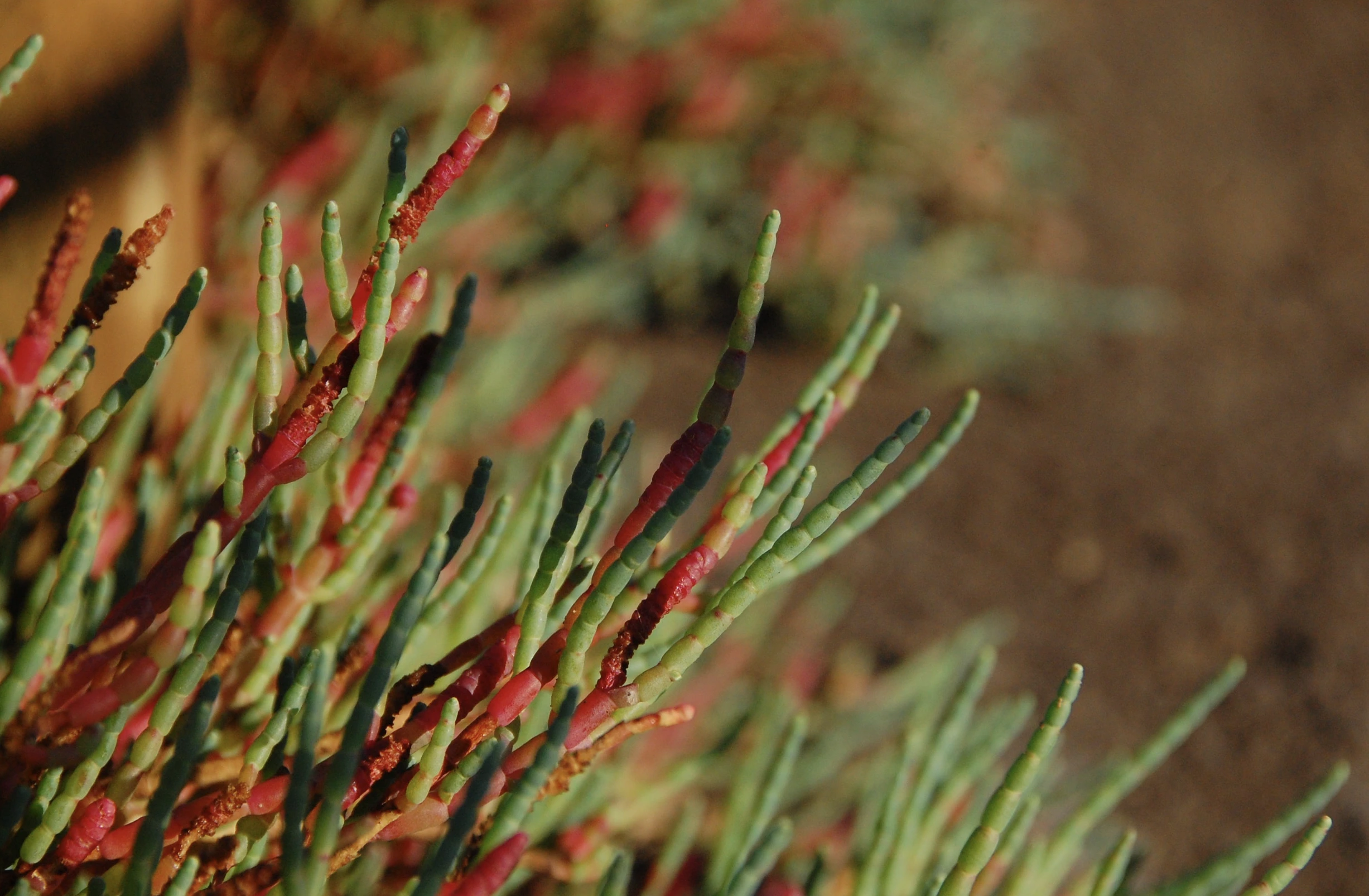
SosaSarcocornia neei
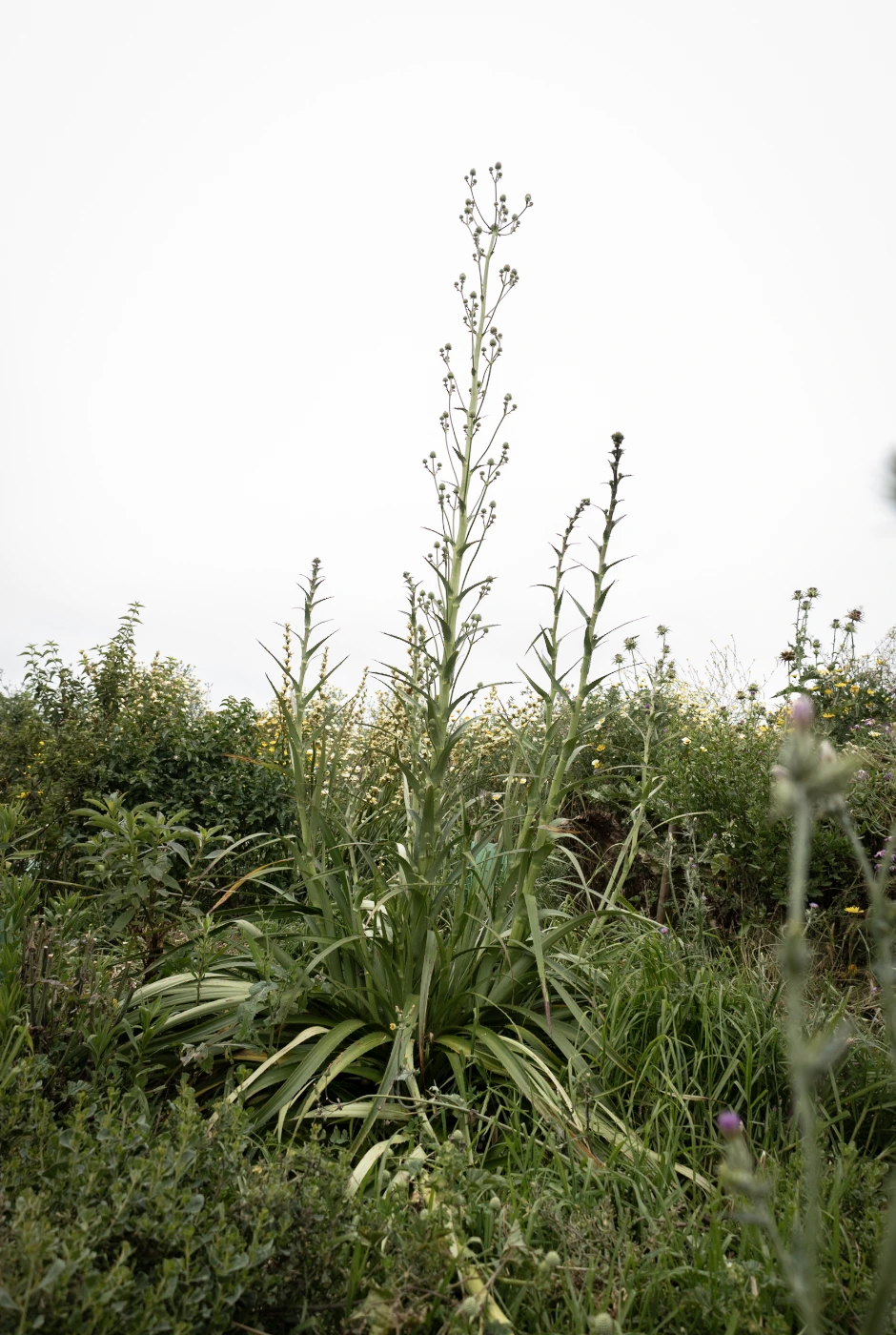
ChupallaEryngium paniculatum
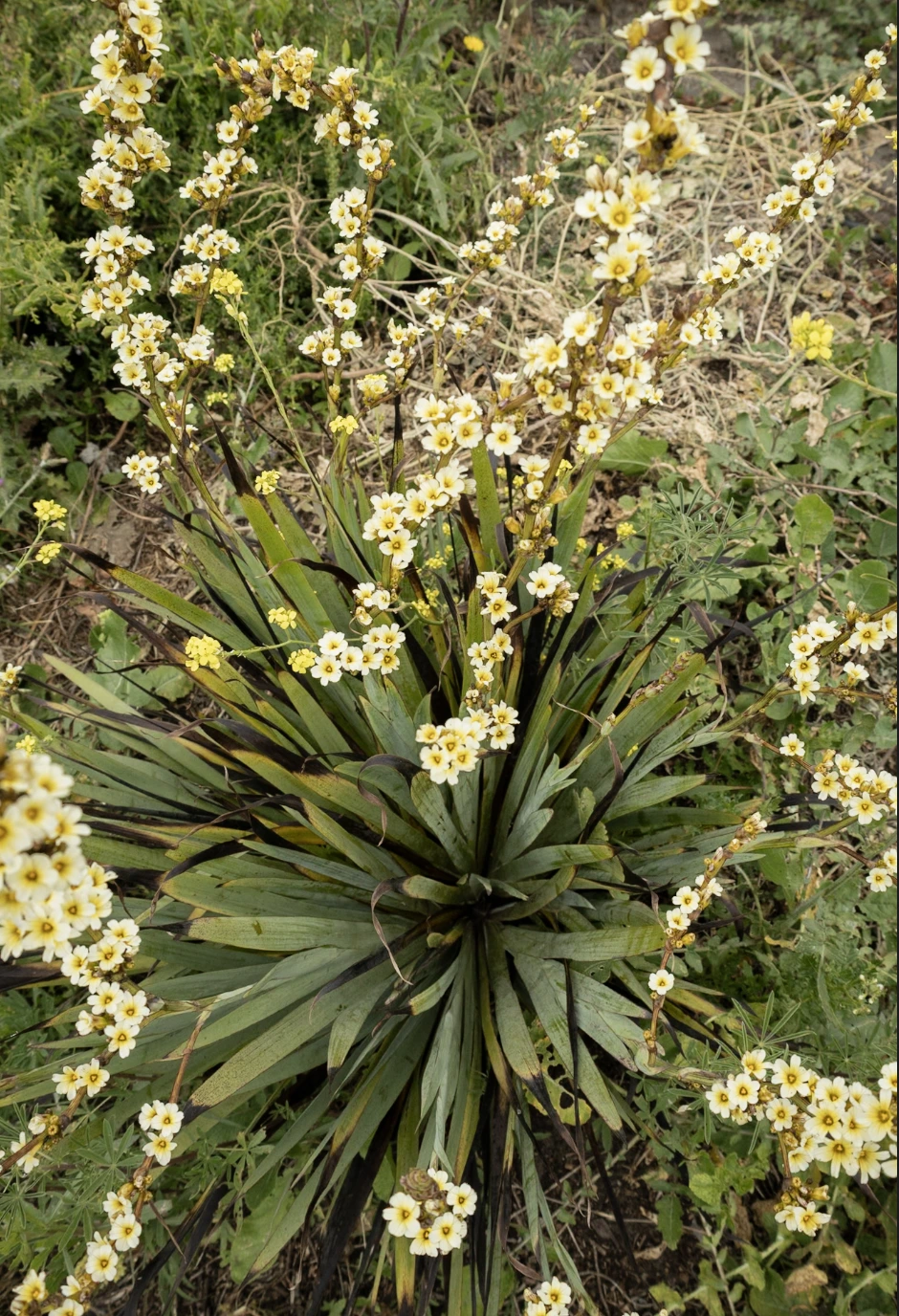
HuilmoSisyrinchium striatum
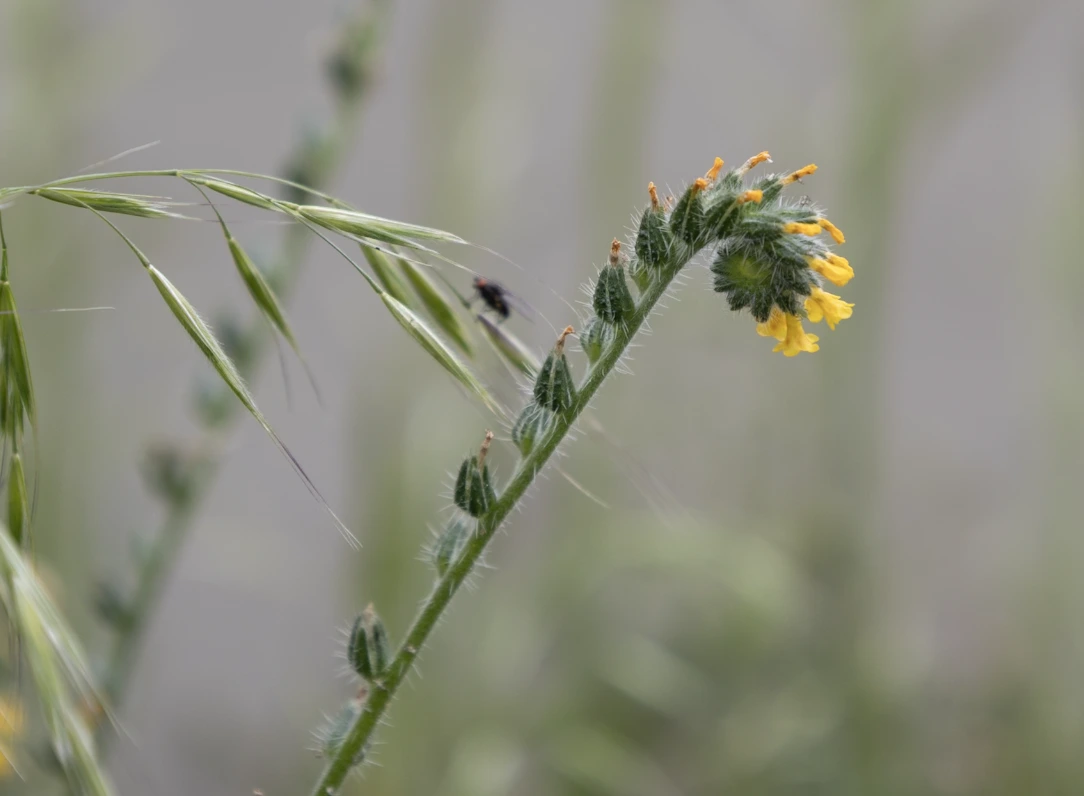
Cuncuna amarillaAmsinckia calycina
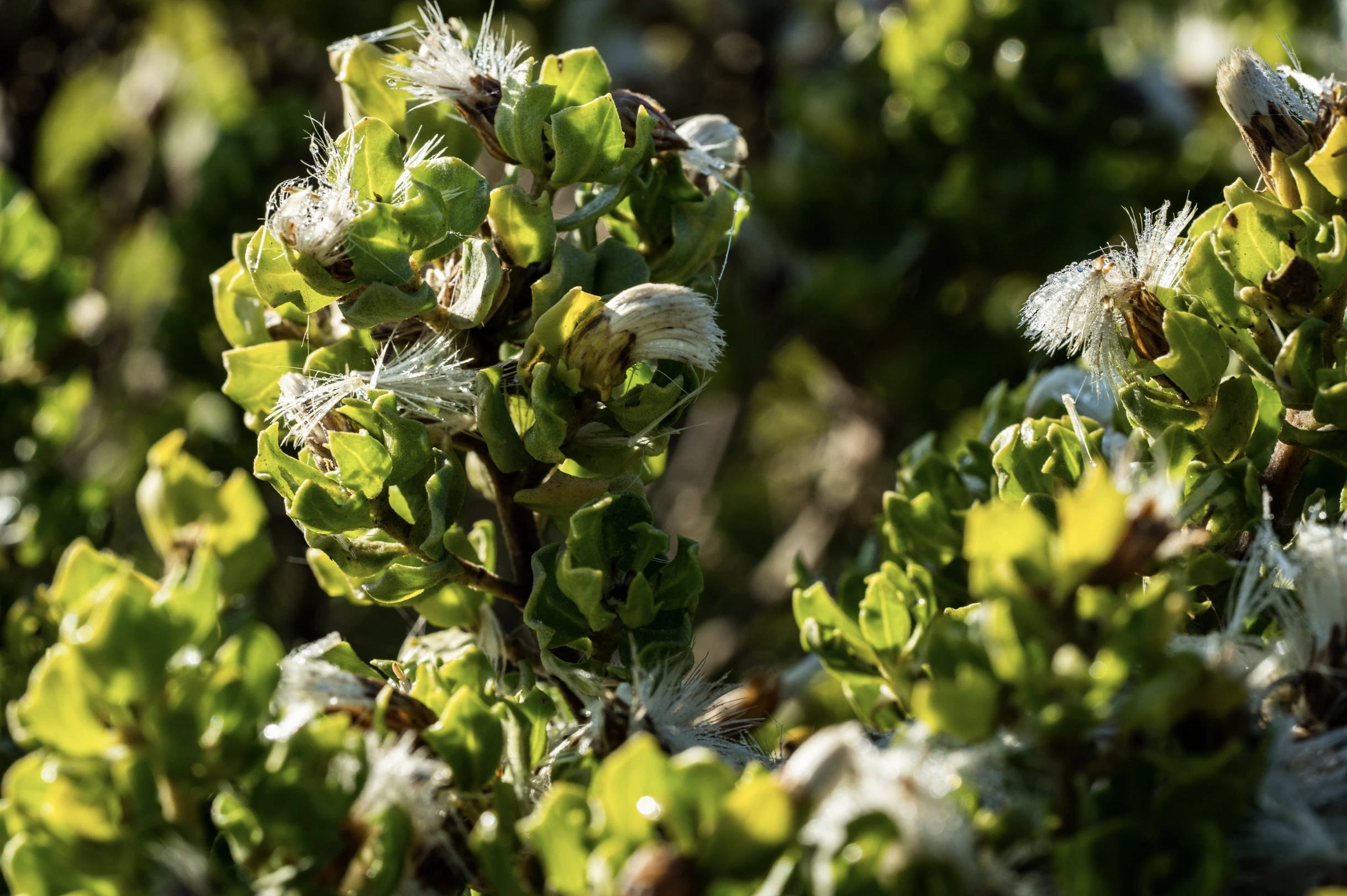
VautroBaccharis macraei
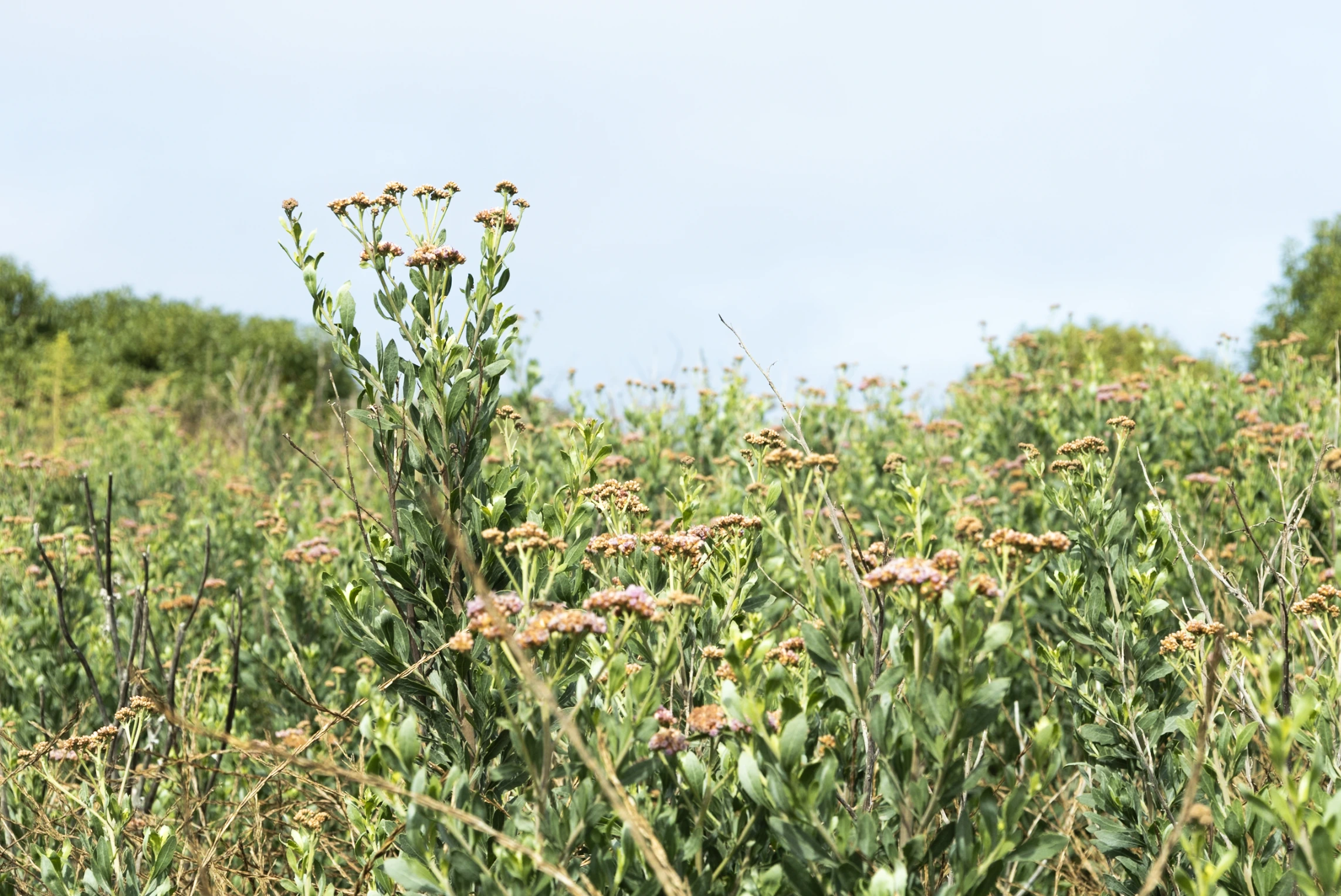
BreaTessaria absinthioides
Entomofauna: the small inhabitants of the wetland
A total of 117 species of entomofauna have been recorded in the wetland, of which 99 are insects. Among the insects, beetles are the most numerous, with 28 species identified to date. This is followed by Diptera (which includes flies, horseflies, and mosquitoes), with 25 species, and Hymenoptera (encompassing bees, wasps, and ants), with 19 species. Of the 117 species, four are endemic to Chile, 12 are native to Chile and its neighboring countries, nine have a neotropical distribution (covering Central and South America), and four are considered cosmopolitan.
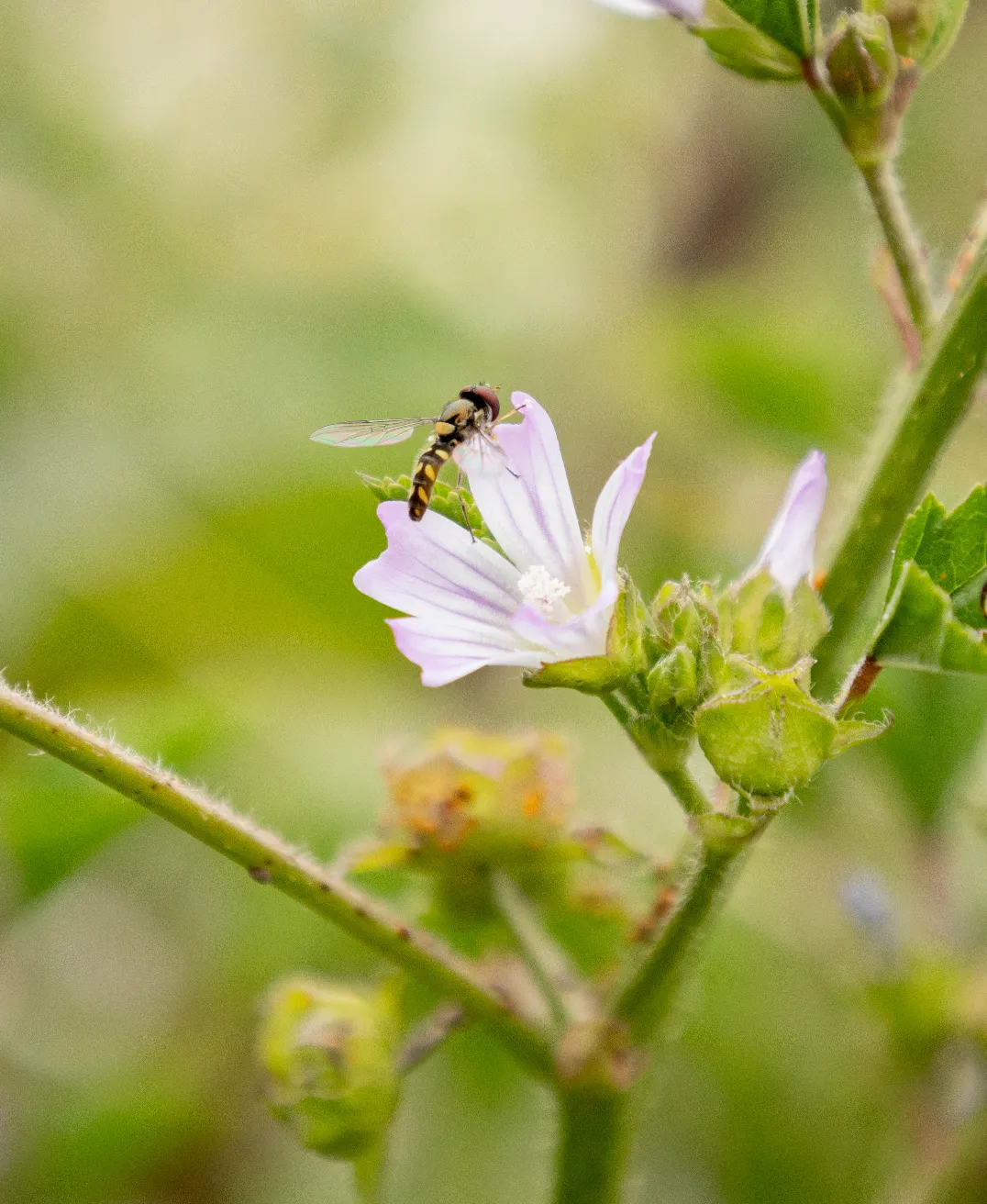
Mosca florícolaAllograpta sp.
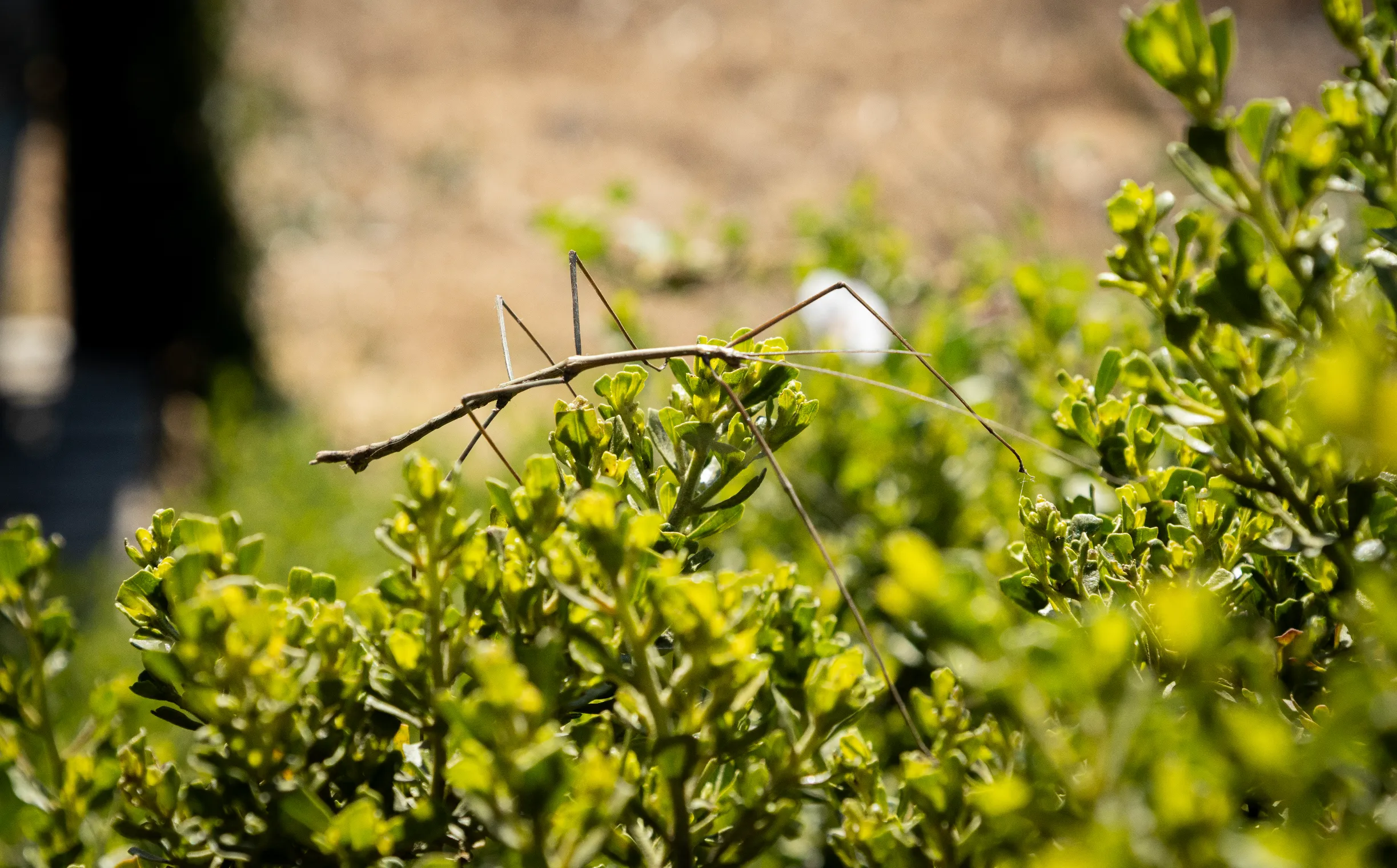
PaloteOrden: Phasmida
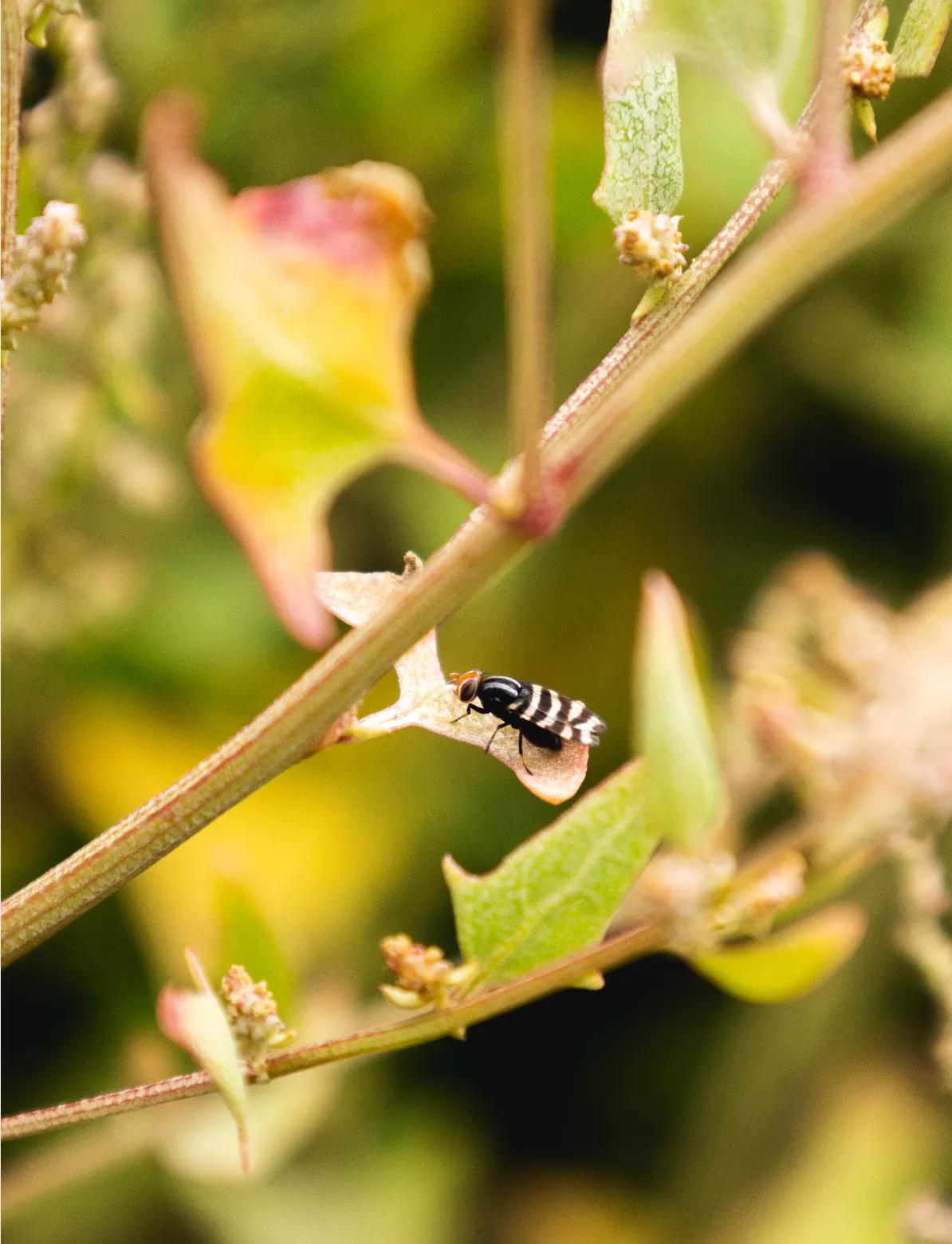
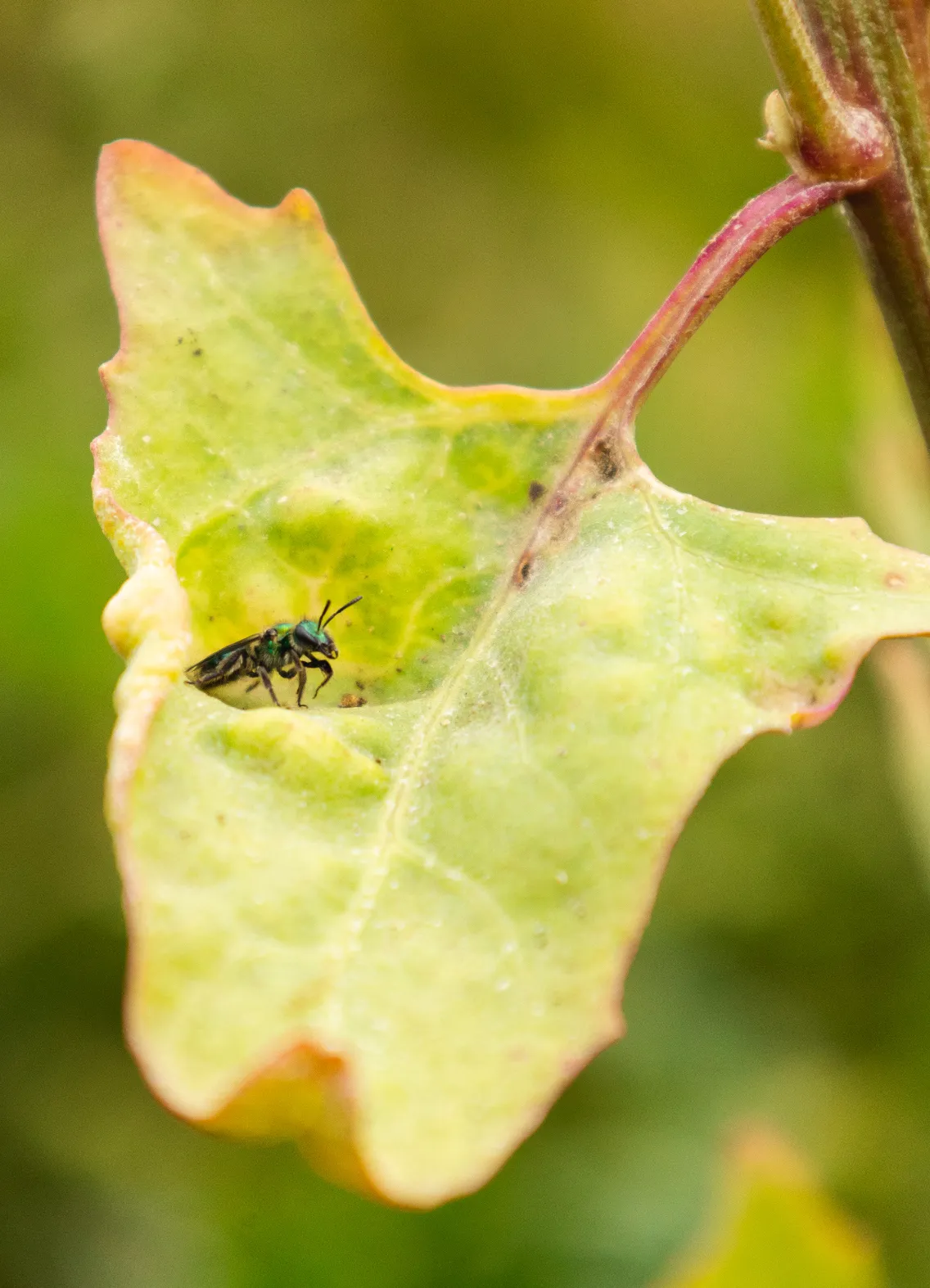
Abeja joyaCallistochlora chloris
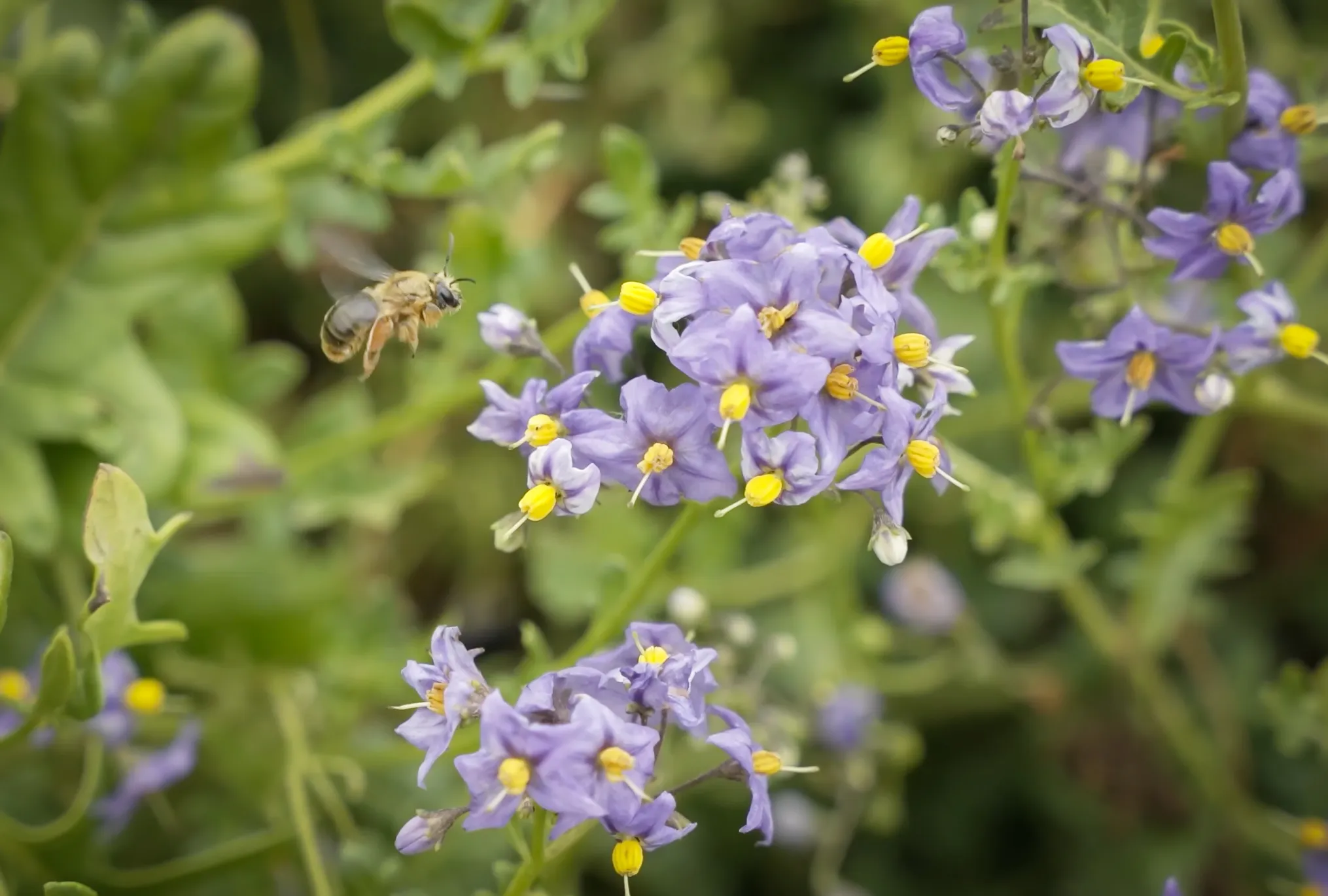
Abeja de la cervezaCadeguala occidentalis
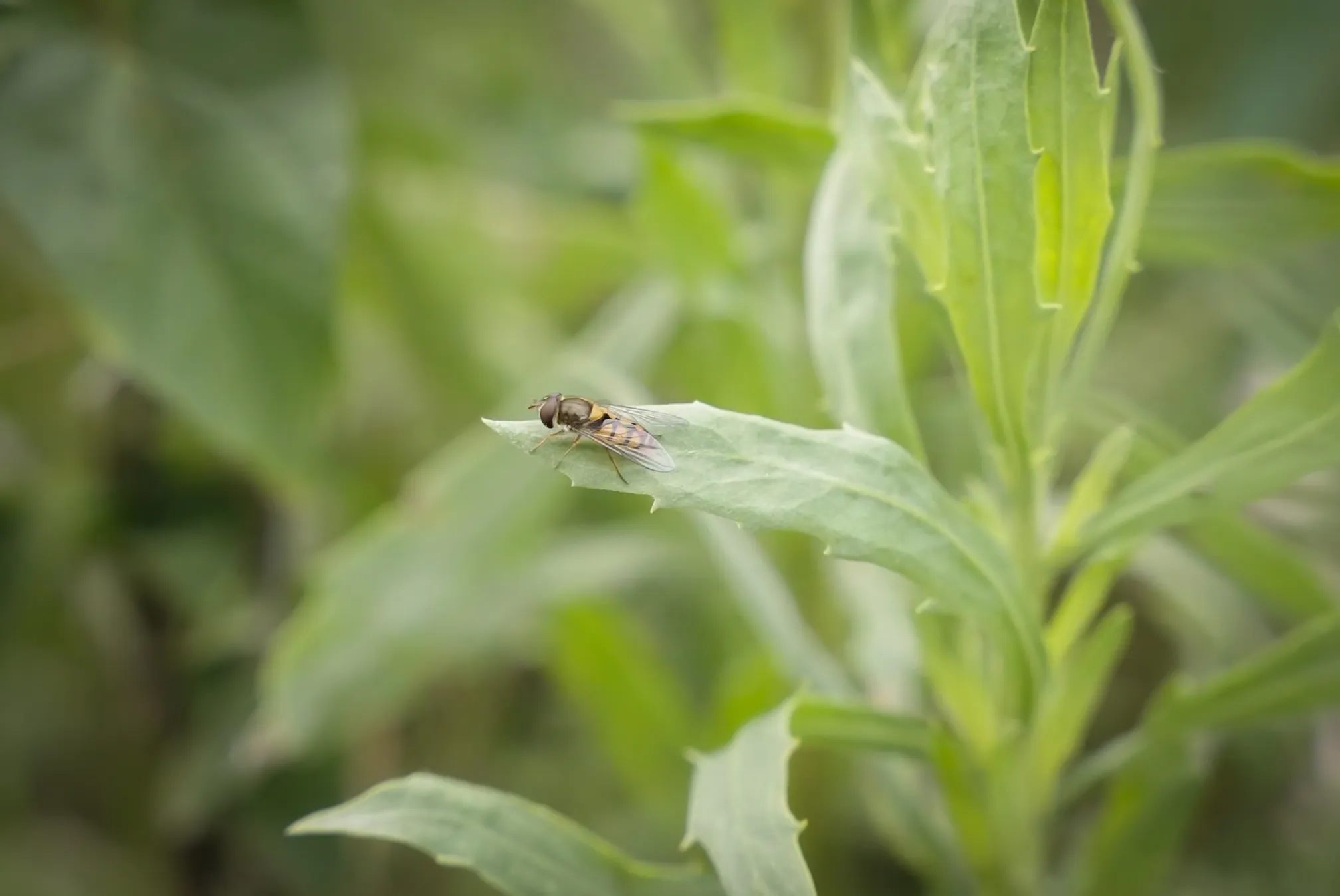
Mosca florícolaAllograpta sp.
Mammals
In the Rio Maipo Wetland Sanctuary, rodents are the most numerous terrestrial mammals, with a total of nine species recorded. The olive field mouse (Abrothrix olivaceous) is the most abundant among them.
The sanctuary is also home to five species of bats and five species of carnivores. Notable native carnivores include the kodkod (Leopardus guigna), the little grison (Galictis cuja), and the chilla fox (Lycalopex griseus).
Additionally, several introduced species are present in the sanctuary, including the black rat (Rattus rattus), the Norway rat (Rattus norvegicus), the common rabbit (Oryctolagus cuniculus), the European hare (Lepus europaeus), and domestic dogs (Canis familiaris).
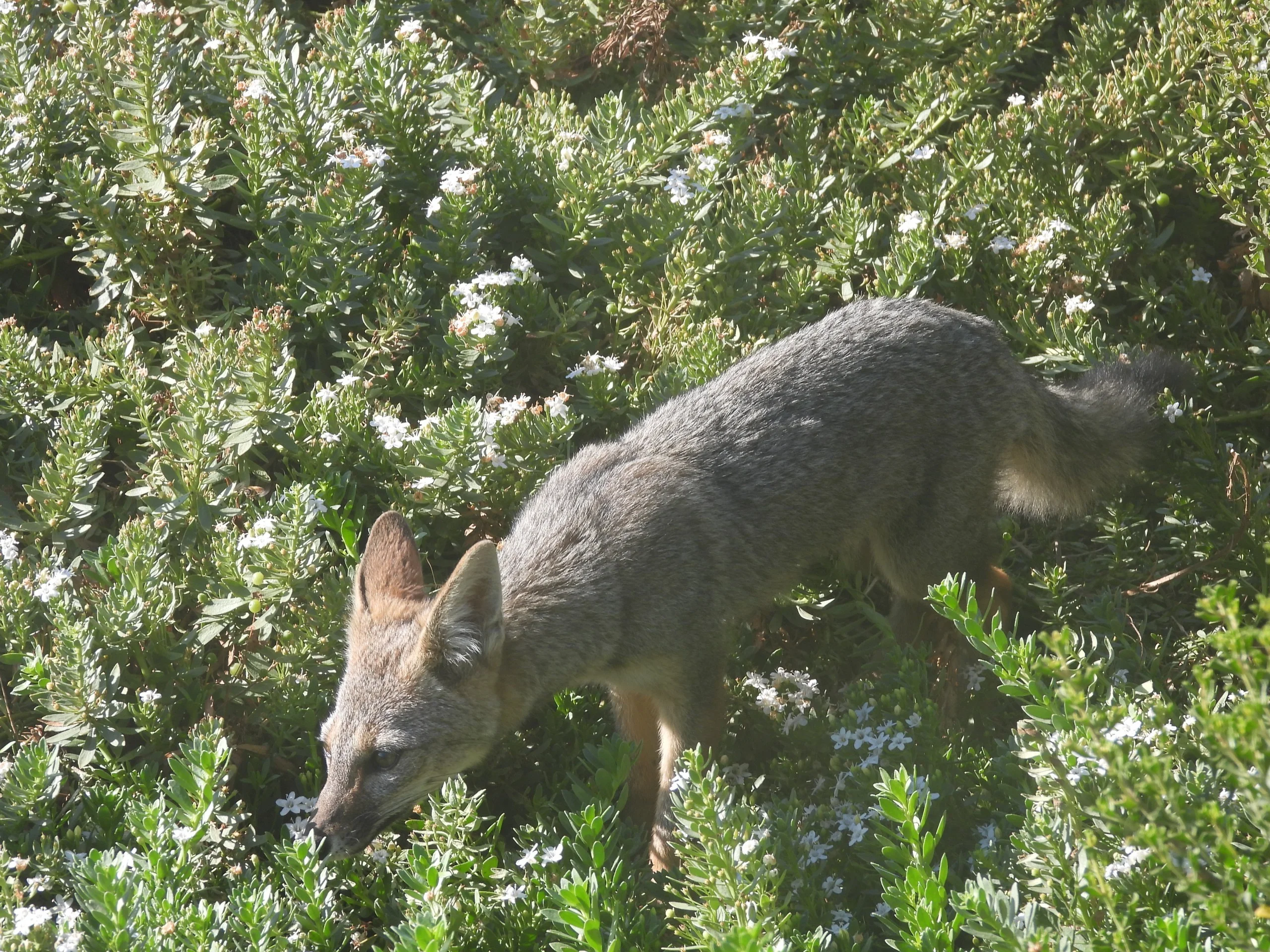
Zorro chillaLycalopex griseus
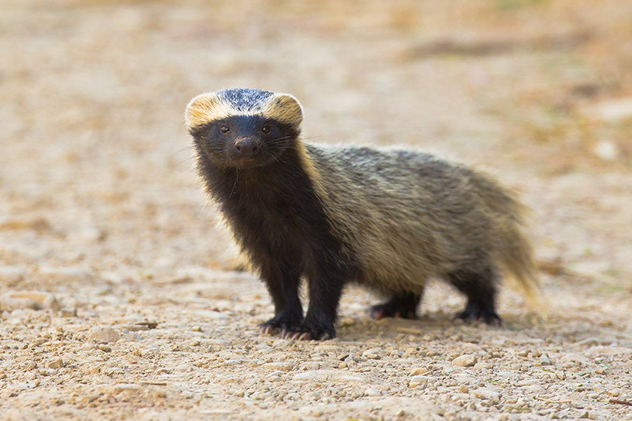
QuiqueGalictis cuja
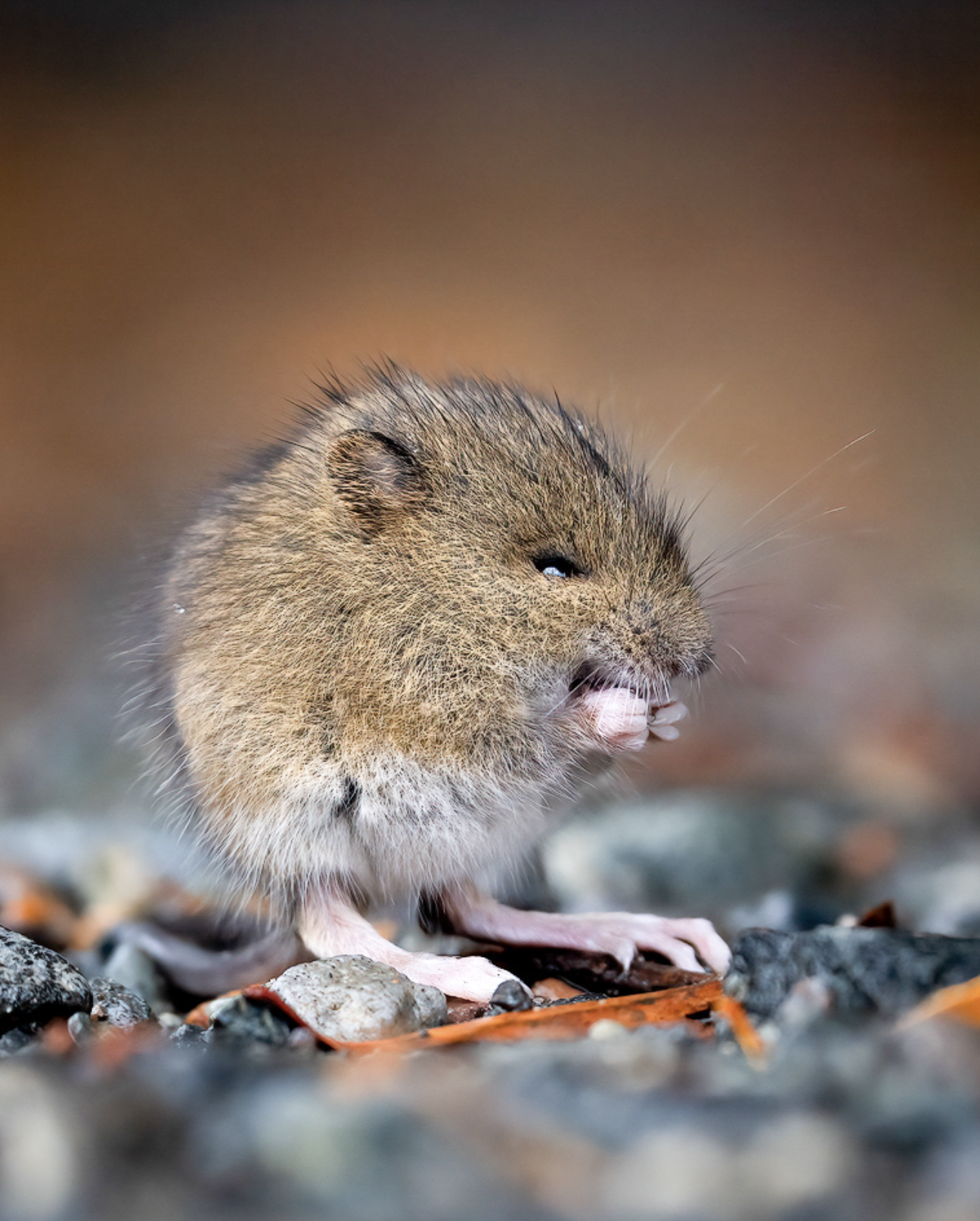
Ratón olivaceoAbrothrix olivaceus
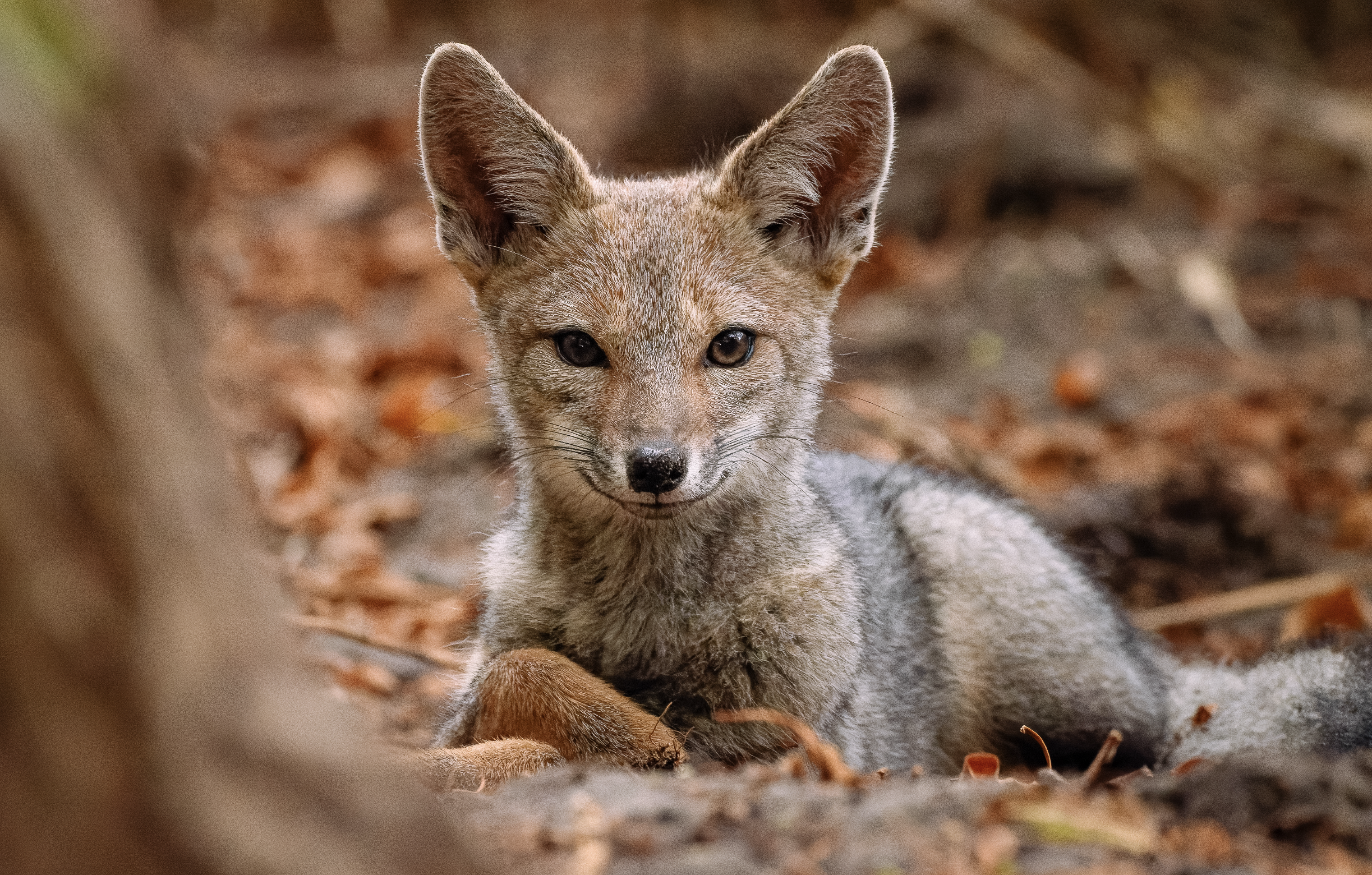
Zorro chillaLycalopex griseus
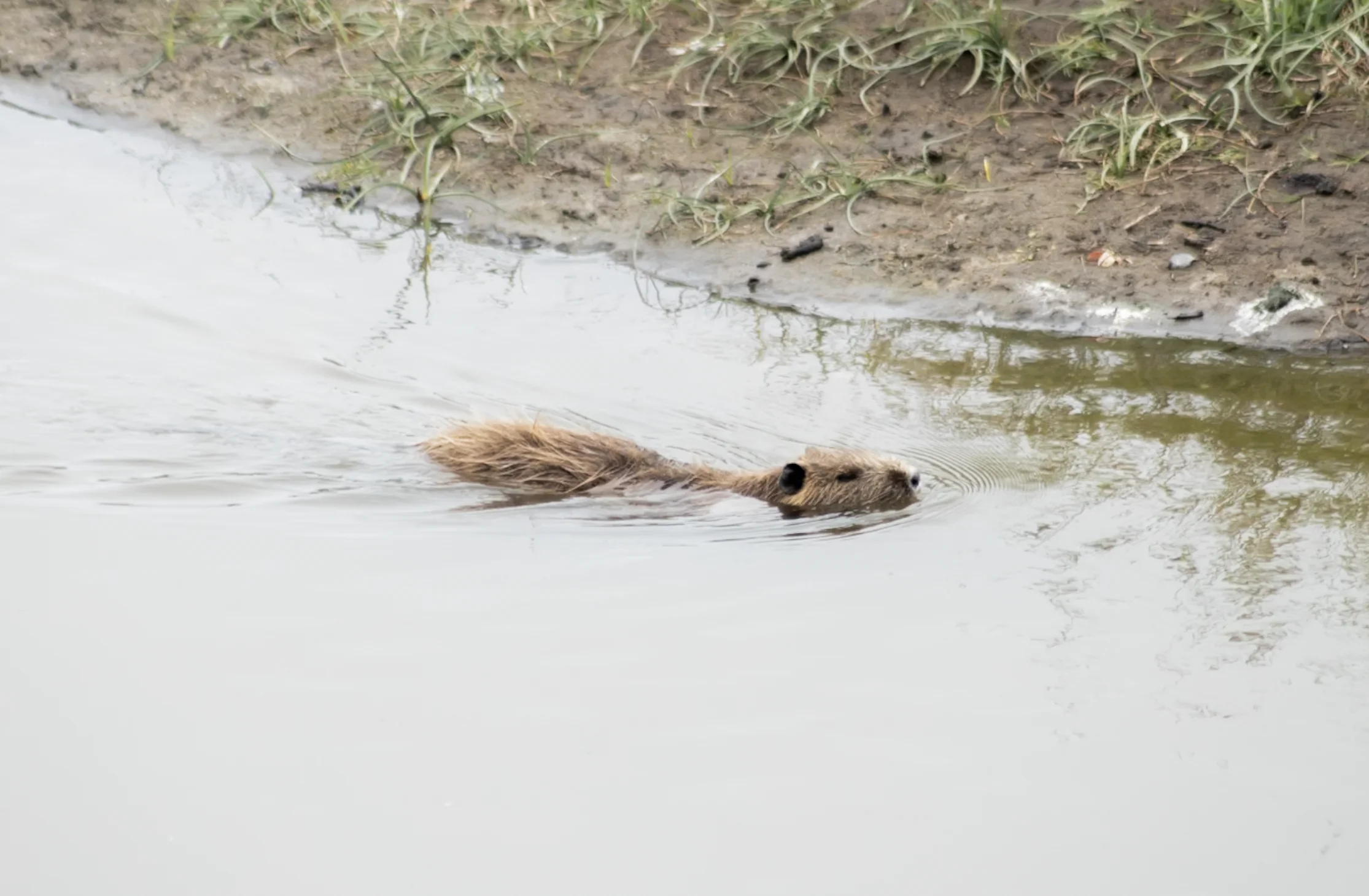
CoipoMyocastor coypus