Conservation
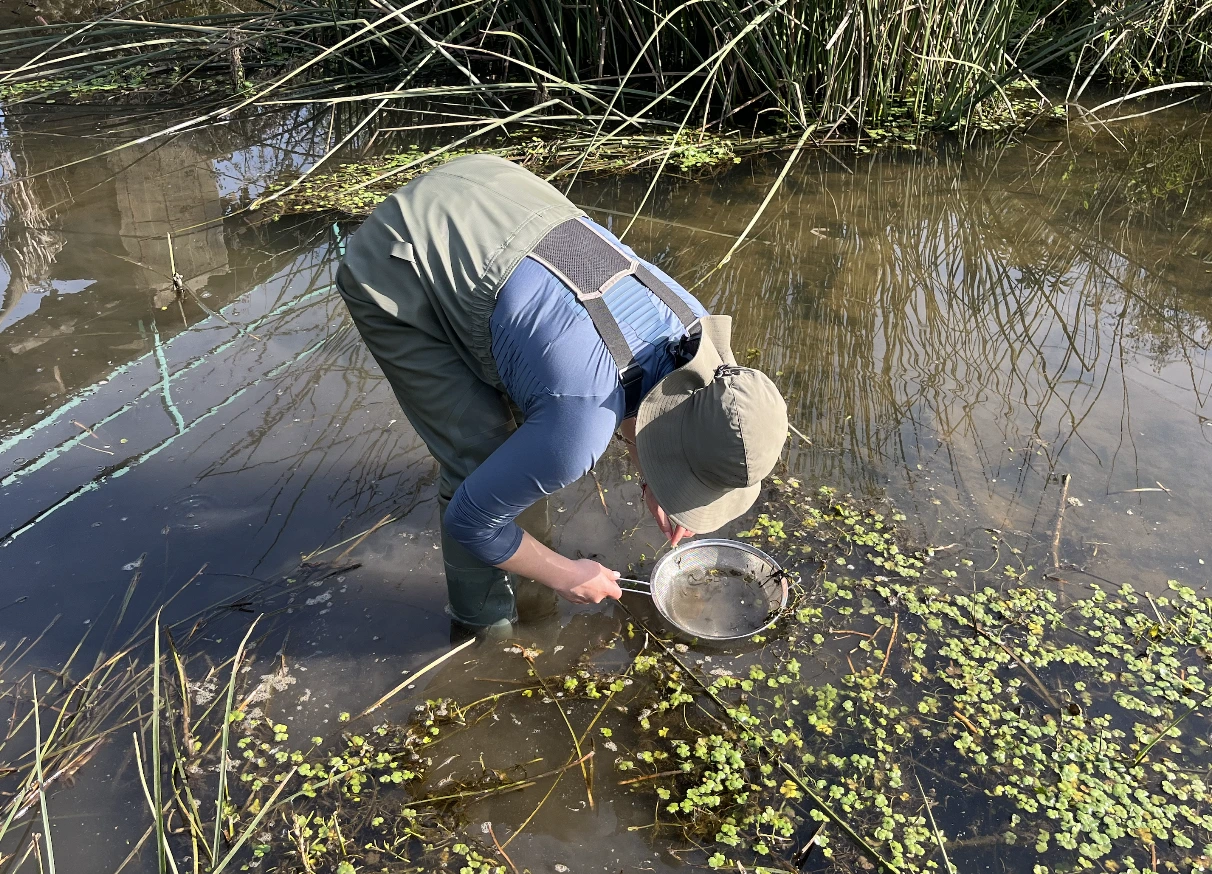
The Conservation Program for the Río Maipo Wetland Nature Sanctuary focuses on studying and analyzing the ecological characteristics of the wetland, as well as identifying its threats. The program also aims to implement actions that promote the conservation of biodiversity and restore the wetland’s environmental functions.
Bird conservation
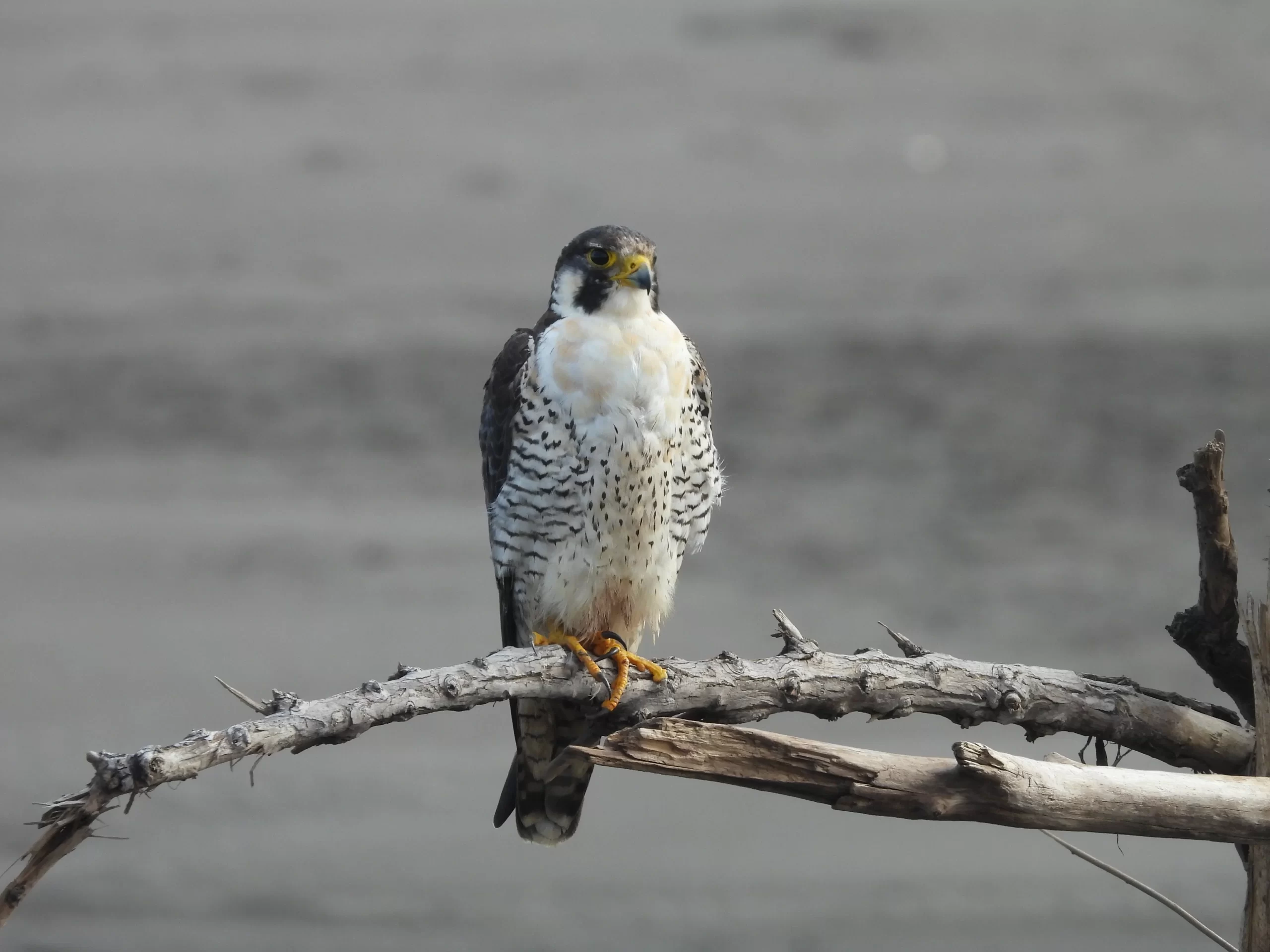
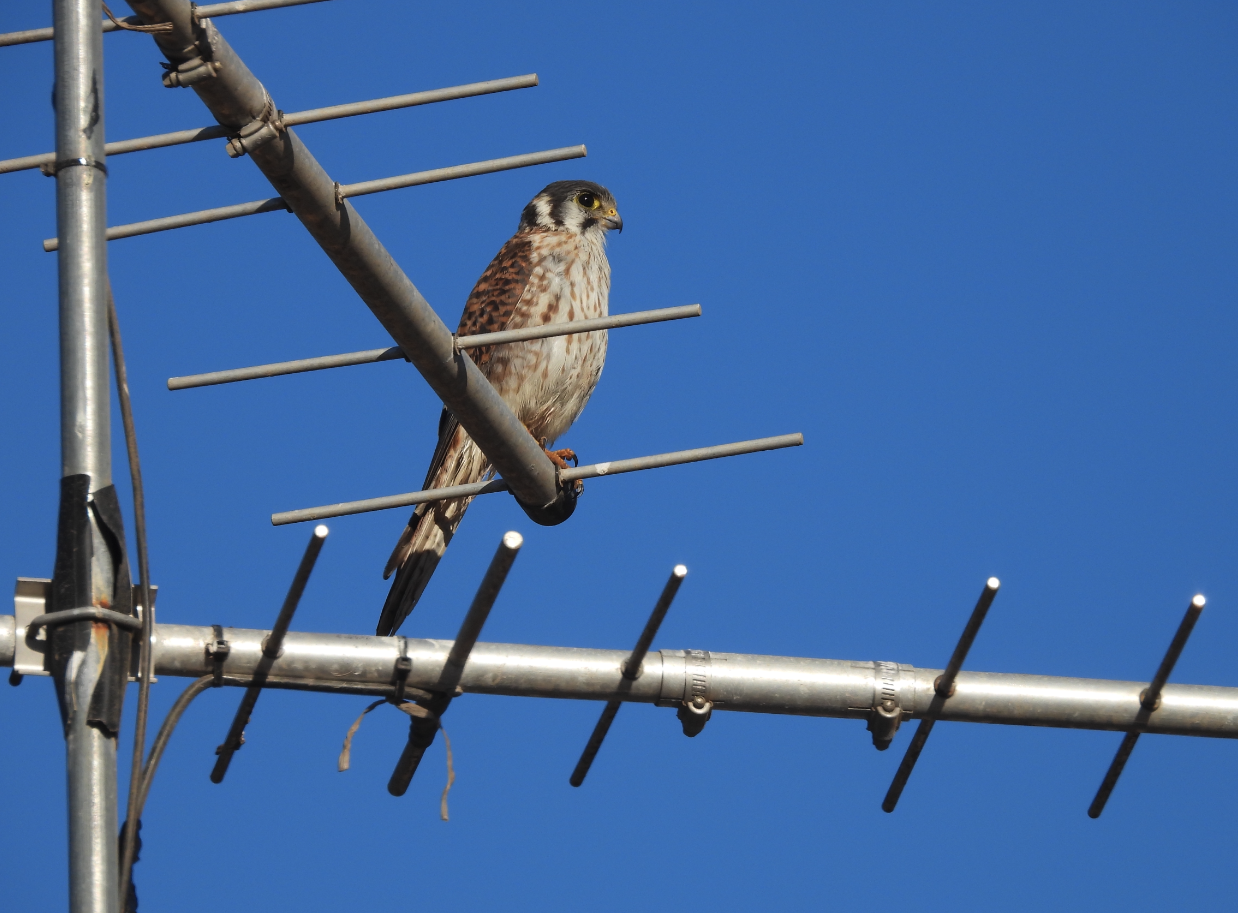
The conservation and restoration of this ecosystem’s natural conditions are essential for maintaining it as a sanctuary that supports a rich biodiversity of national avifauna. To achieve this, we have developed multiple collaborative alliances aimed at investigating and promoting actions to preserve these species:
-
Research and Conservation of Shorebirds
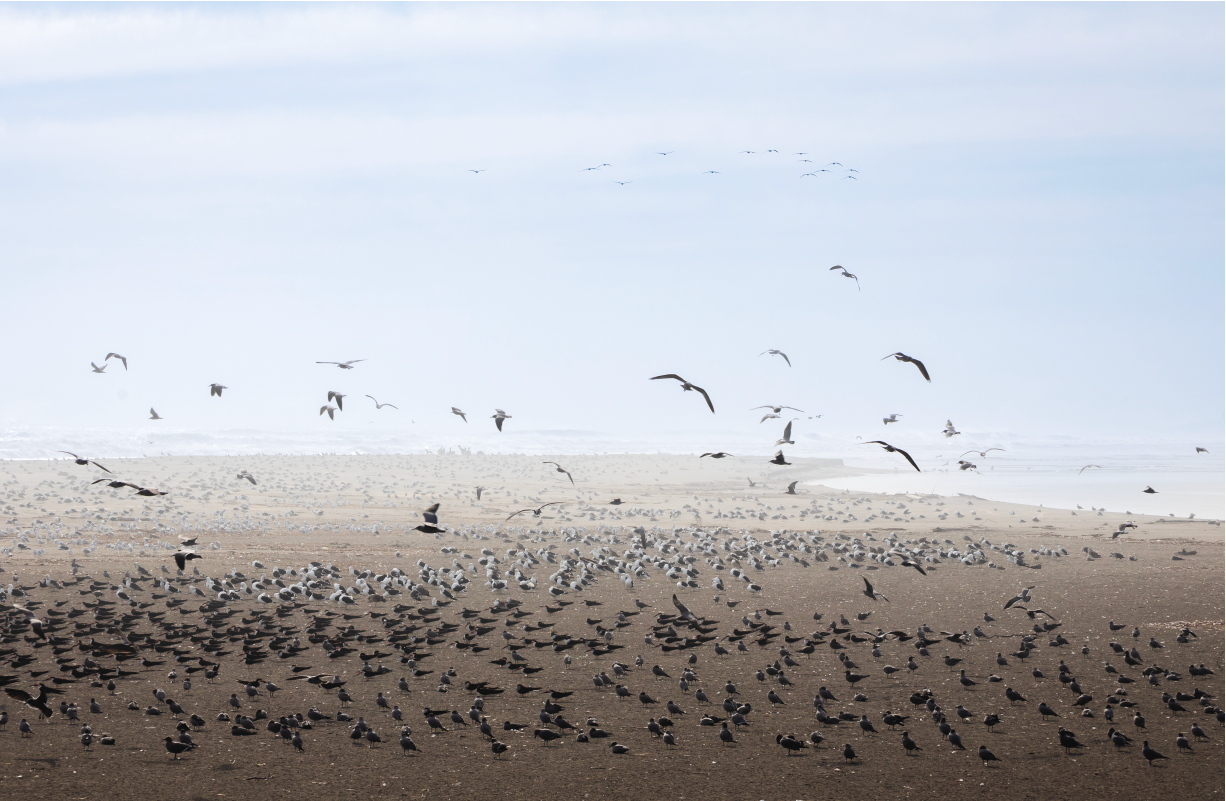
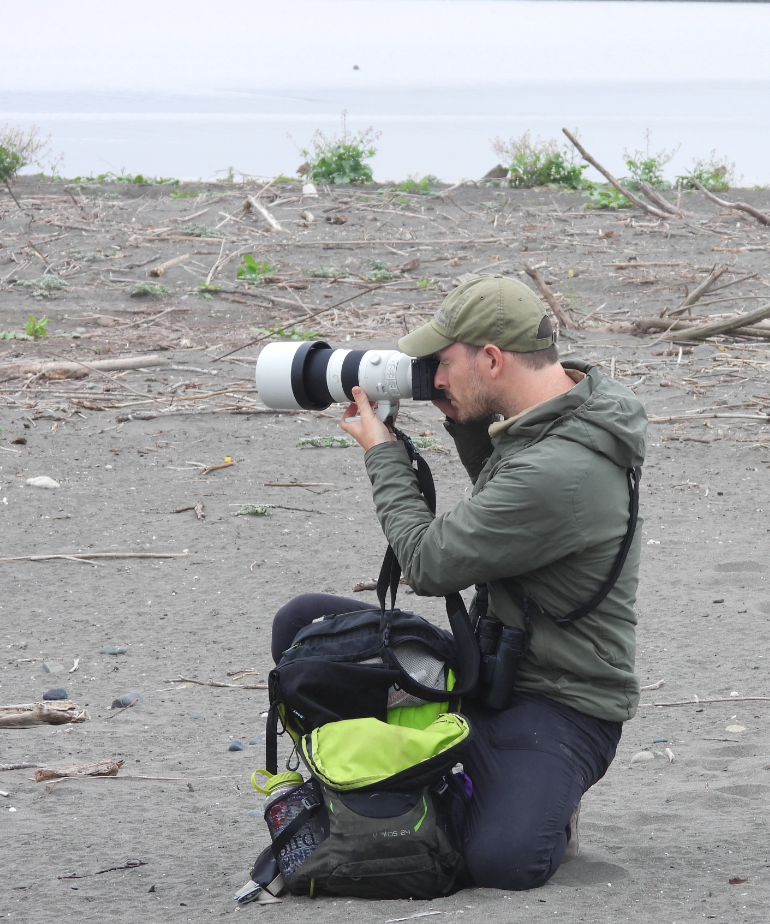
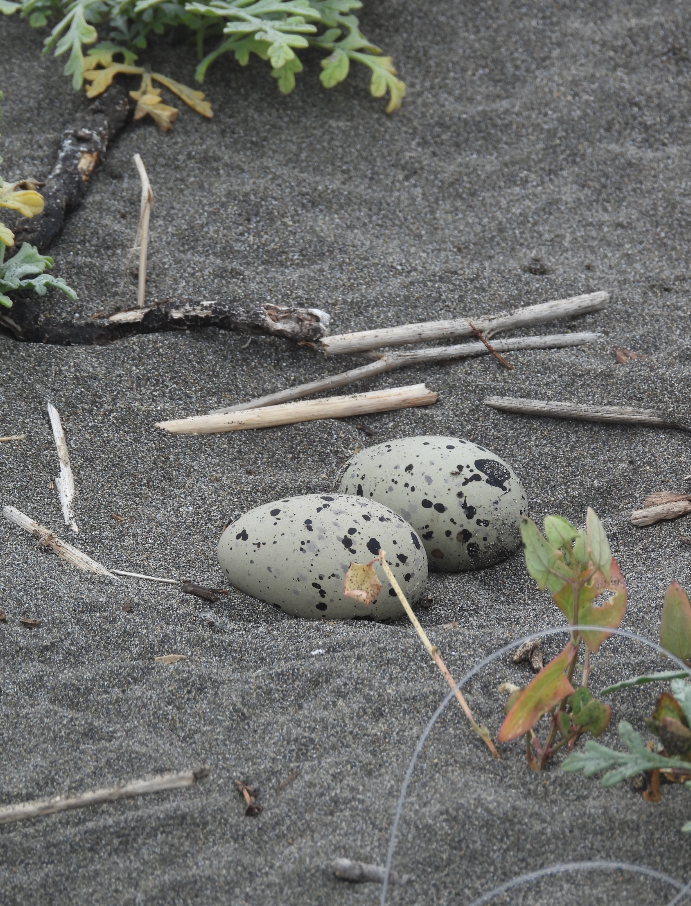
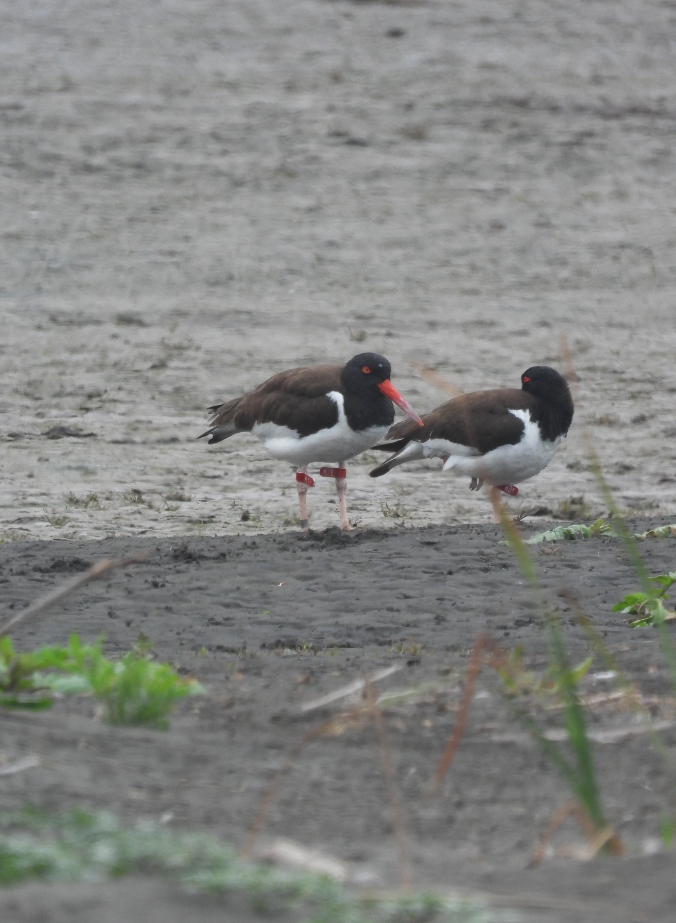
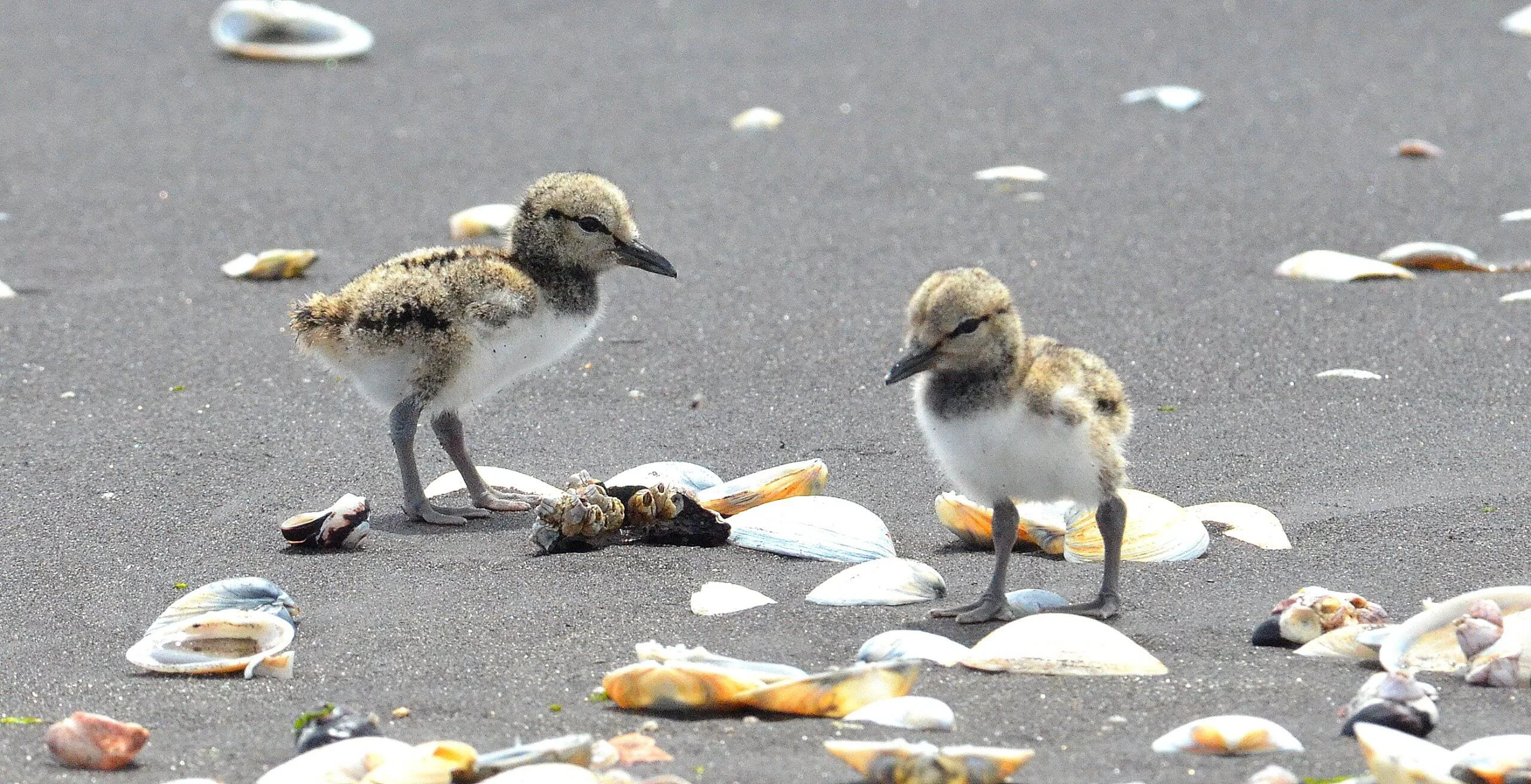
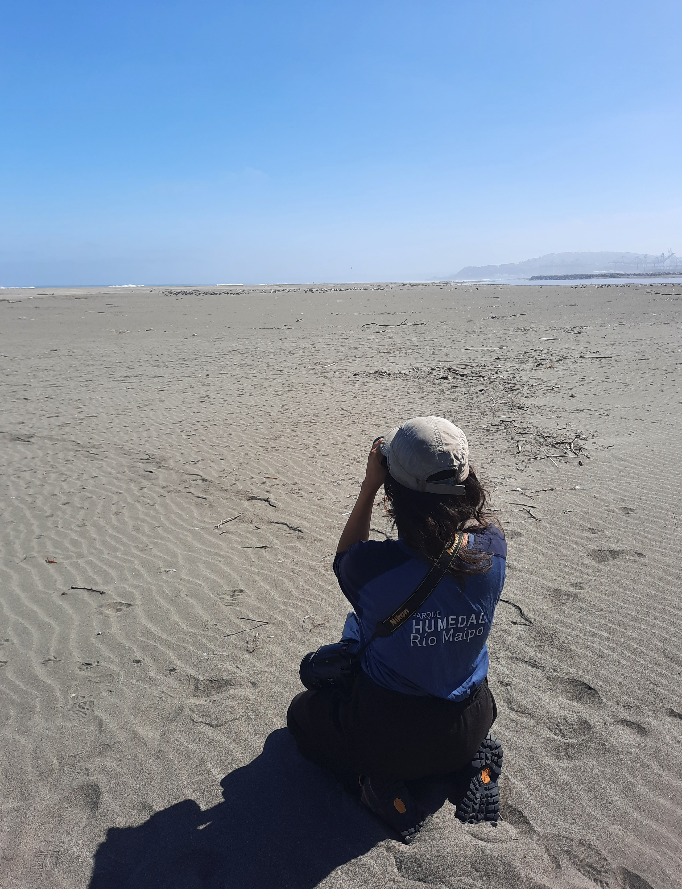
Through various collaborations with public institutions, international organizations, and national NGOs, we have implemented monitoring and management actions focused on the ecology of resident birds. This includes the ringing of American oystercatchers (Haematopus palliatus), monitoring of nests, and conducting weekly bird censuses in the Sanctuary.
-
Motus Antenna: Monitoring of Migratory Birds
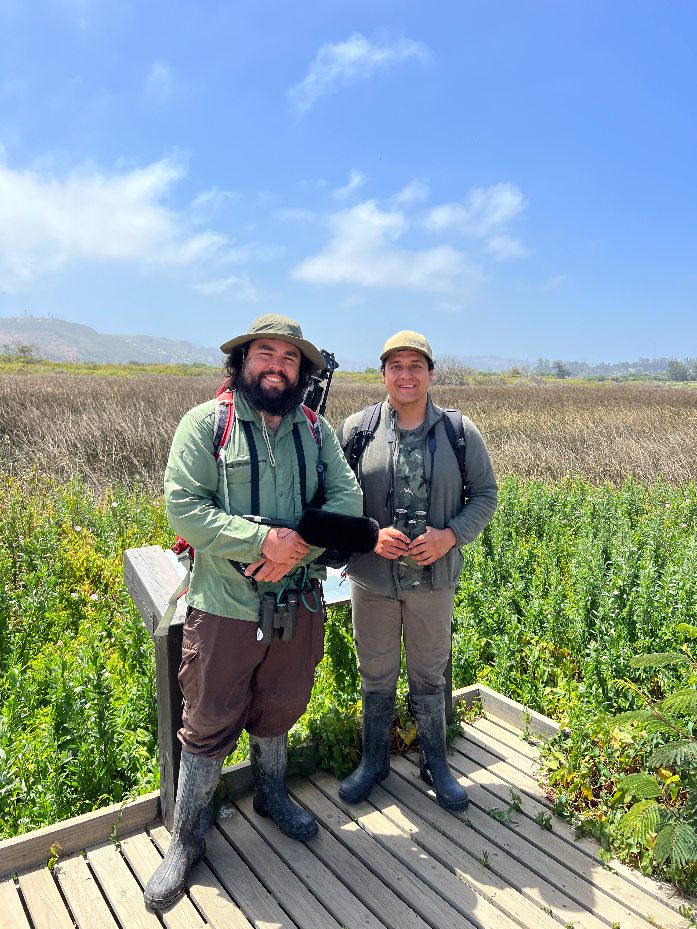
This project is the result of an international collaboration involving the National Audubon Society, the Bird and Wildlife Observers Network of Chile (ROC), and Fundación Cosmos, with support from the US Forest Service. We have installed and are maintaining a Motus station in the Río Maipo Wetland Nature Sanctuary. Motus is a global collaborative research initiative that tracks the movements of migratory animals to enhance our understanding of their ecology and contribute to their conservation.
-
Habitat Study for the Conservation of the Black Rail
This project, funded by the Neotropical Bird Club, is the outcome of joint efforts with the Bird Observers Network of Chile (ROC). Over the course of two years, we conducted monthly monitoring of the Black Rail (Laterallus jamaicensis), a species that is difficult to observe and is classified as “endangered” worldwide. The study confirmed the species’ abundant presence in the Río Maipo Wetland Nature Sanctuary, highlighting the ecosystem’s significant value.
Responsible Pet Ownership Campaign
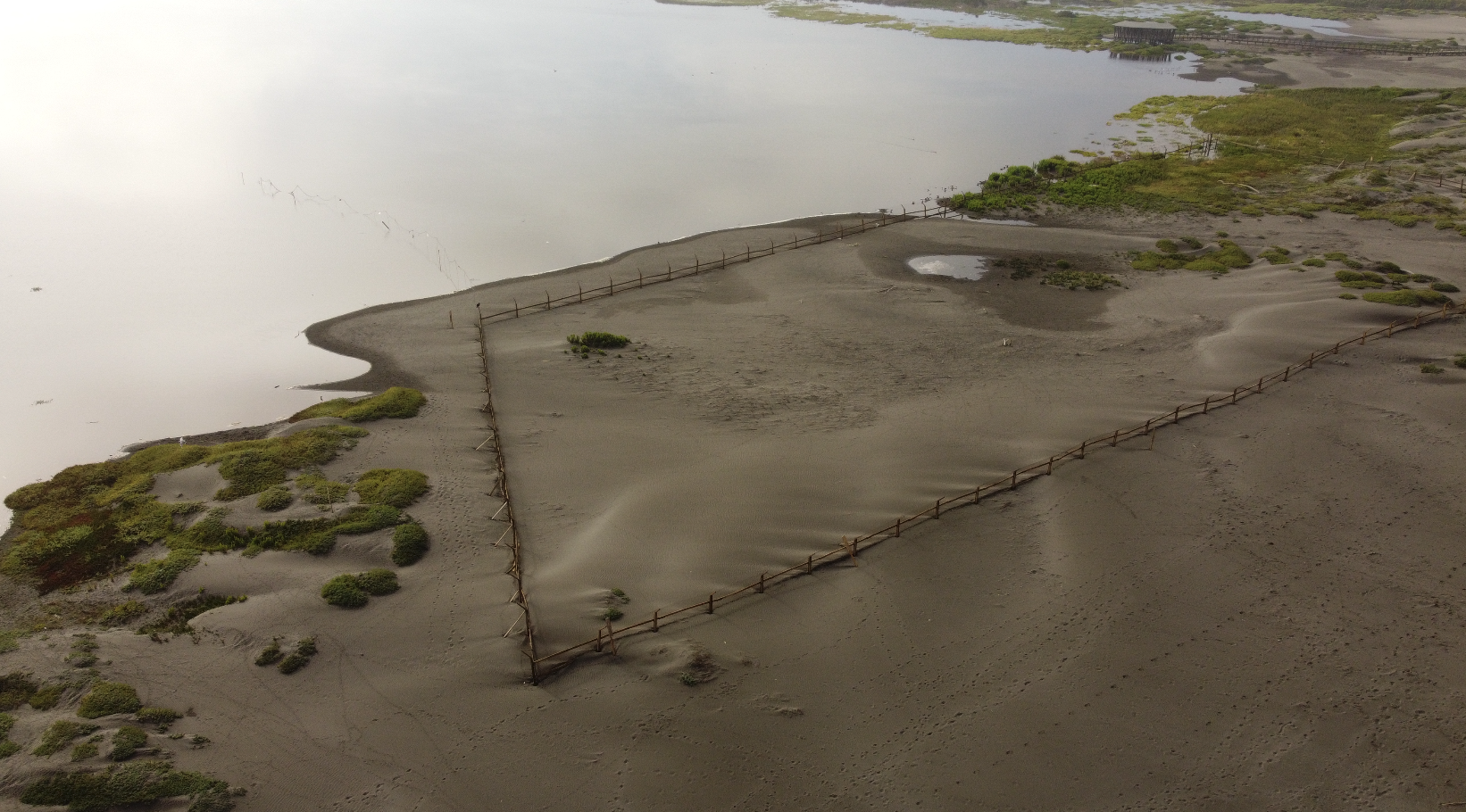
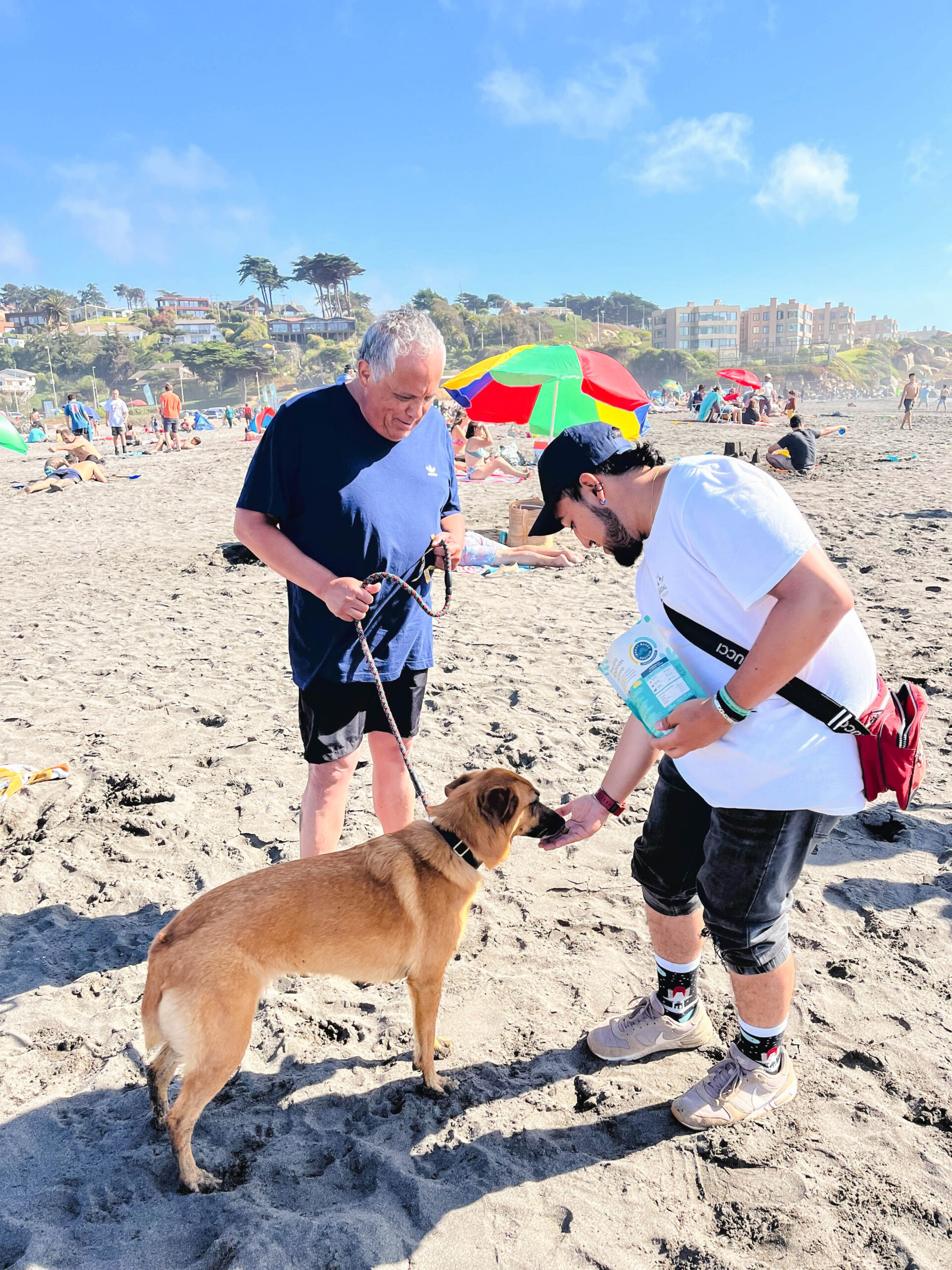
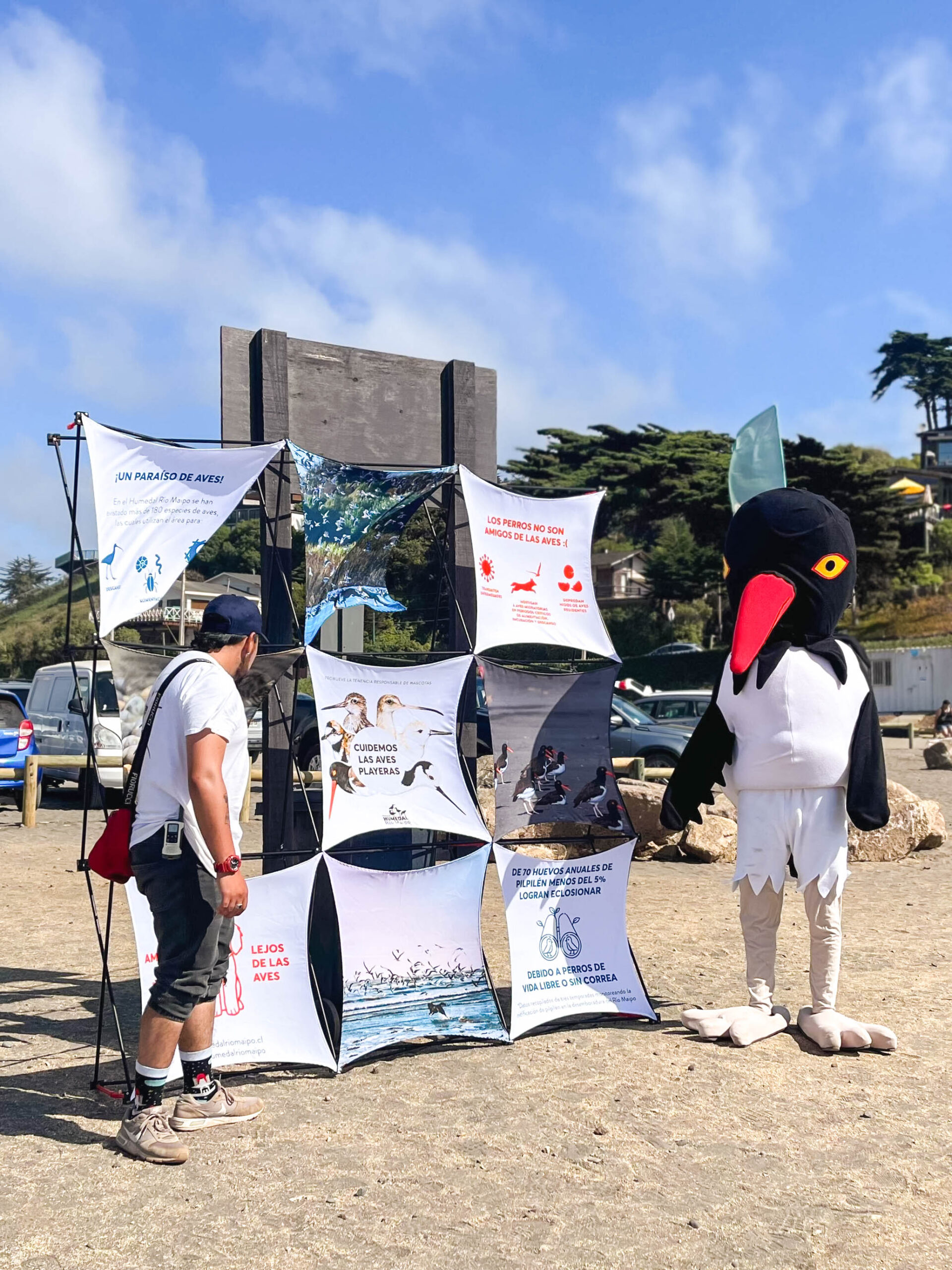
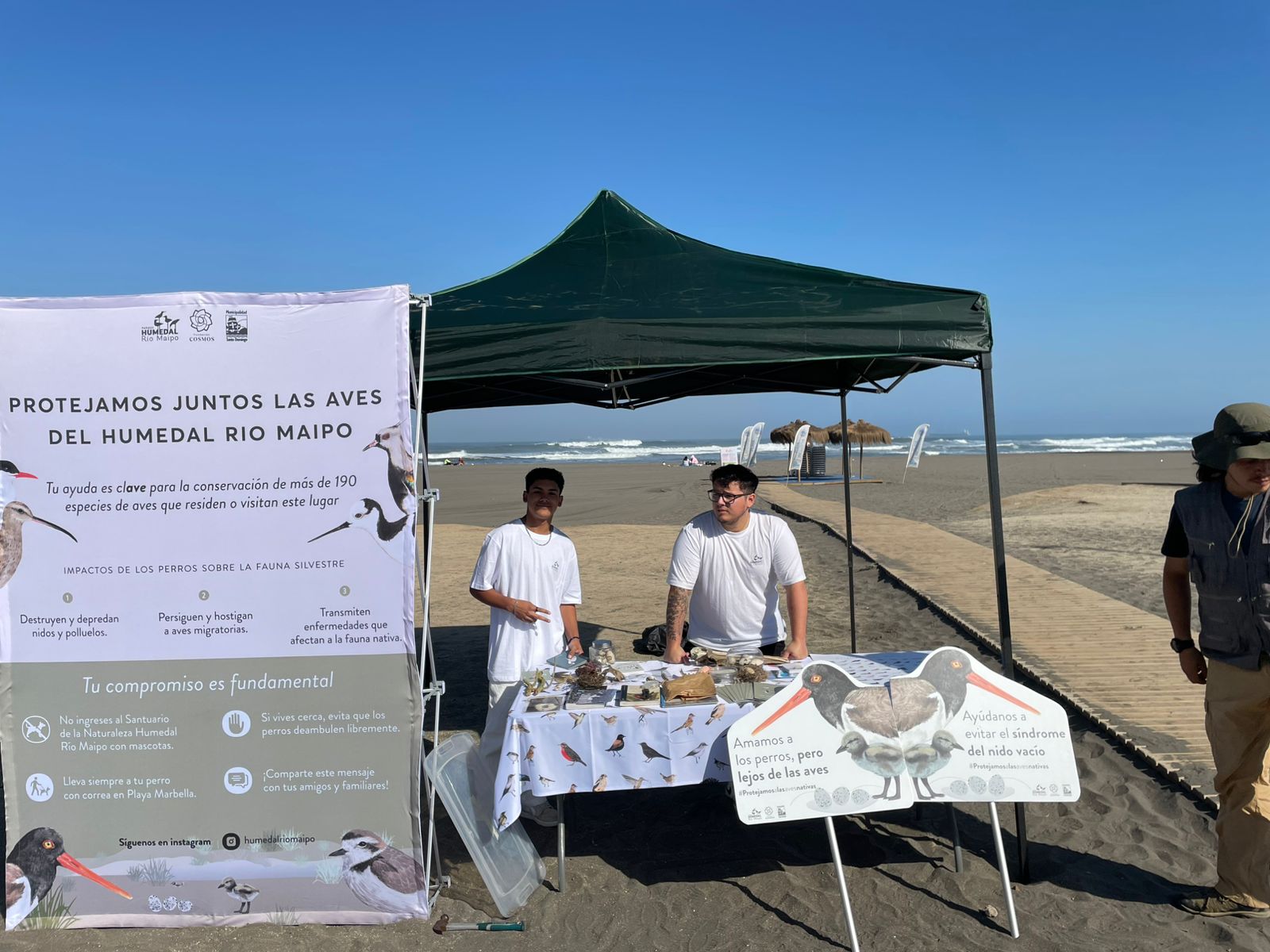
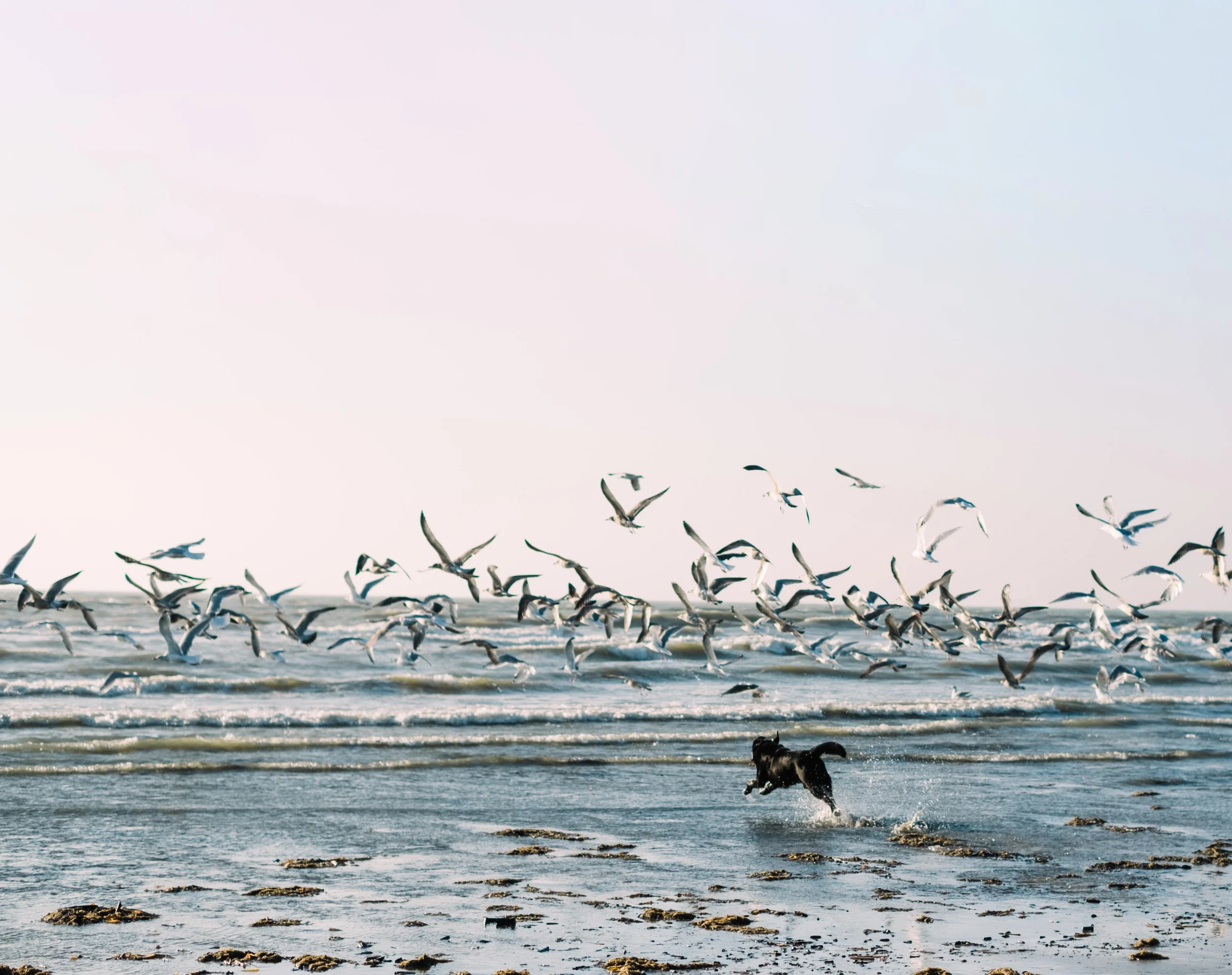
Each year, in collaboration with the Municipality of Santo Domingo, we conduct an environmental education and awareness campaign focused on the harm that unleashed and free-ranging dogs inflict on bird populations. Our goal is to reduce this threat to the species that inhabit the Sanctuary.
Comprehensive Restoration Project for the Nature Sanctuary
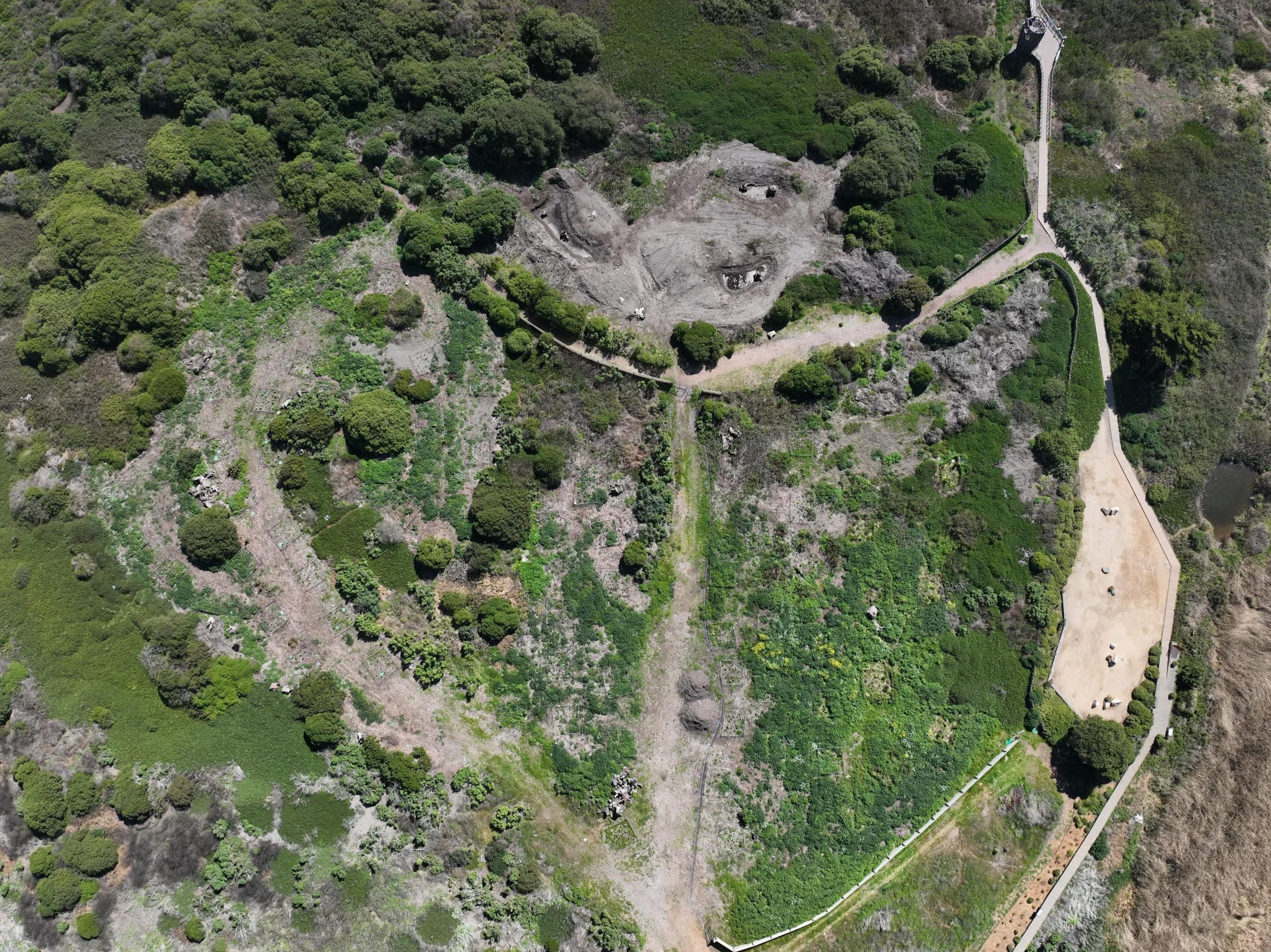
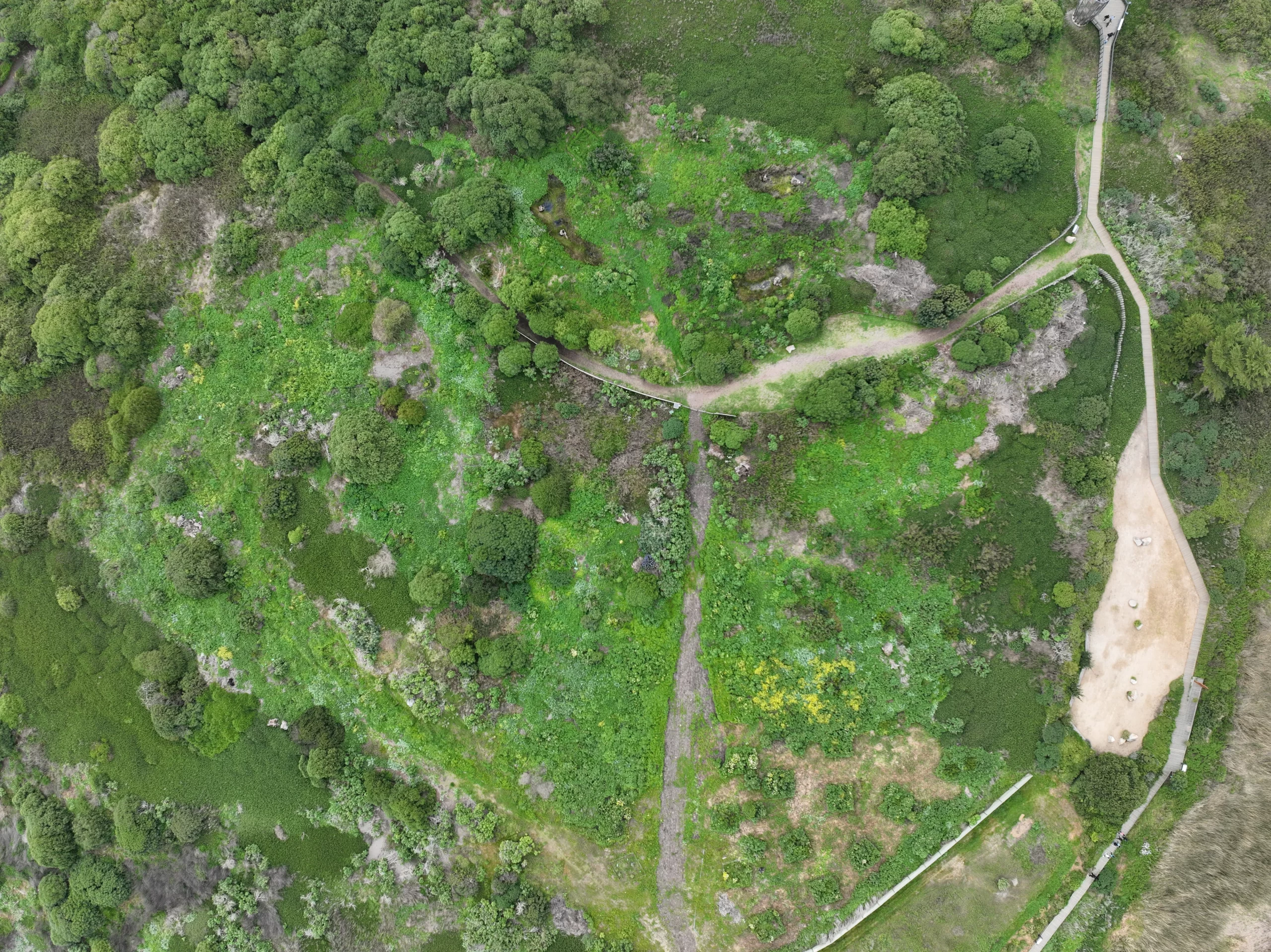
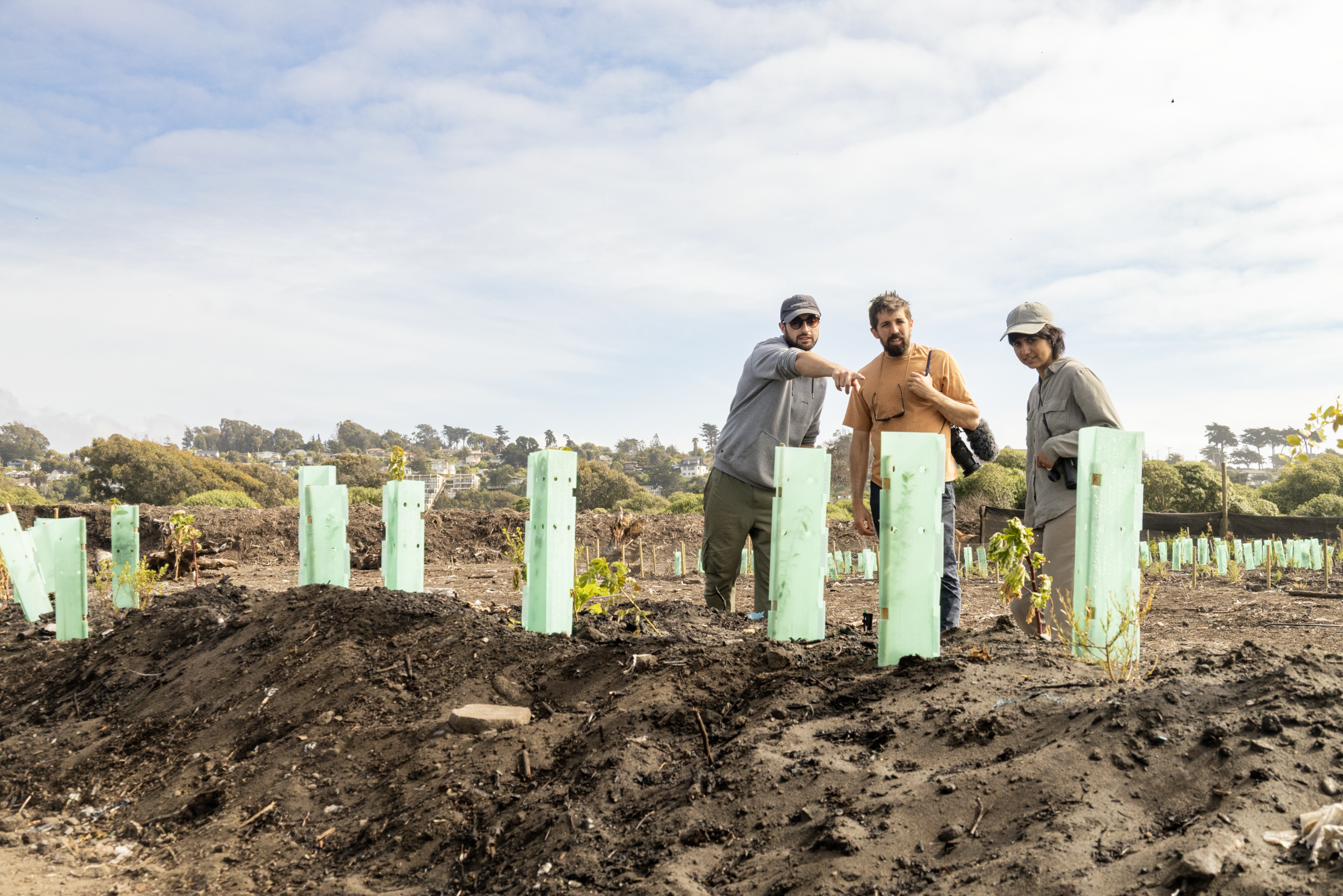
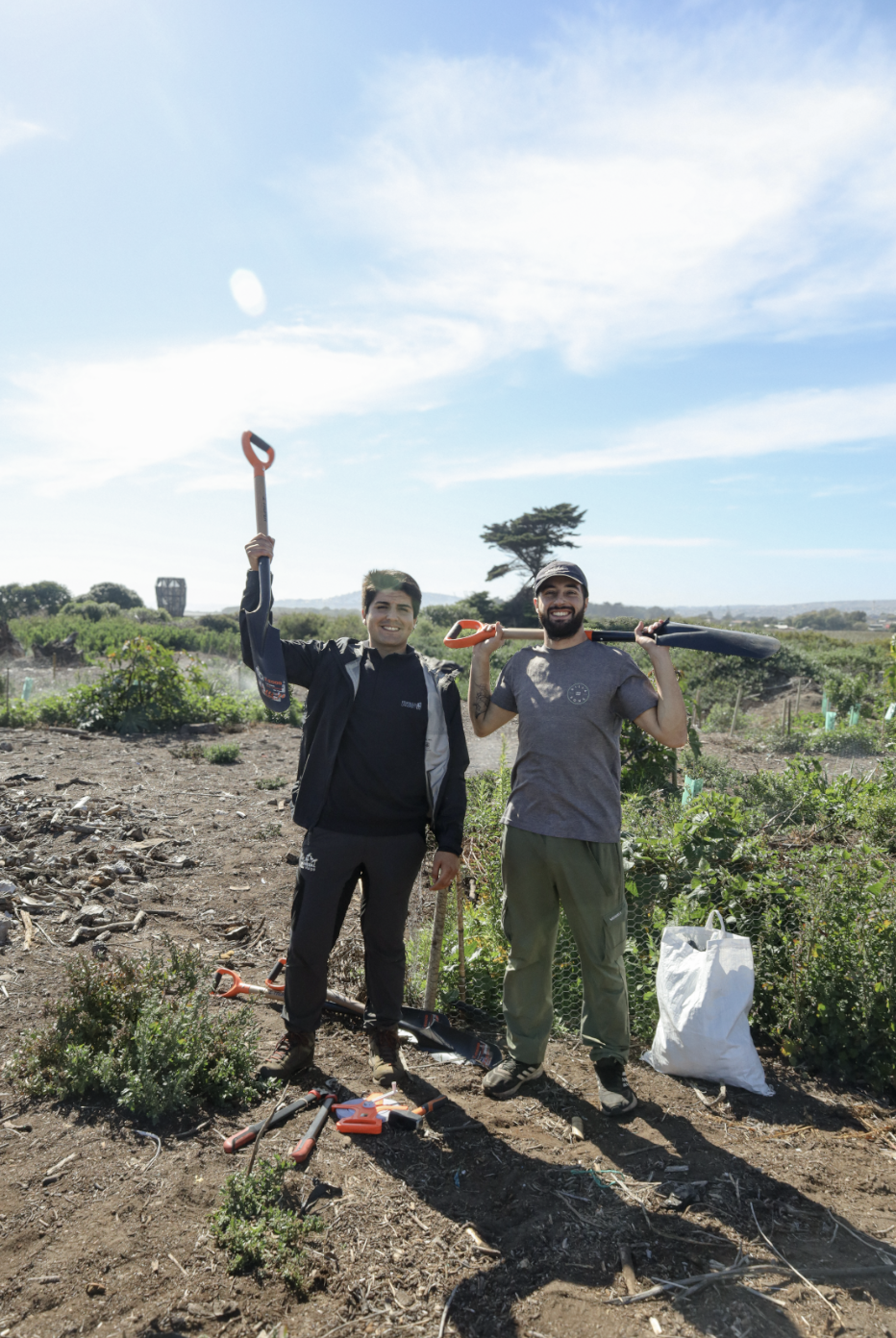
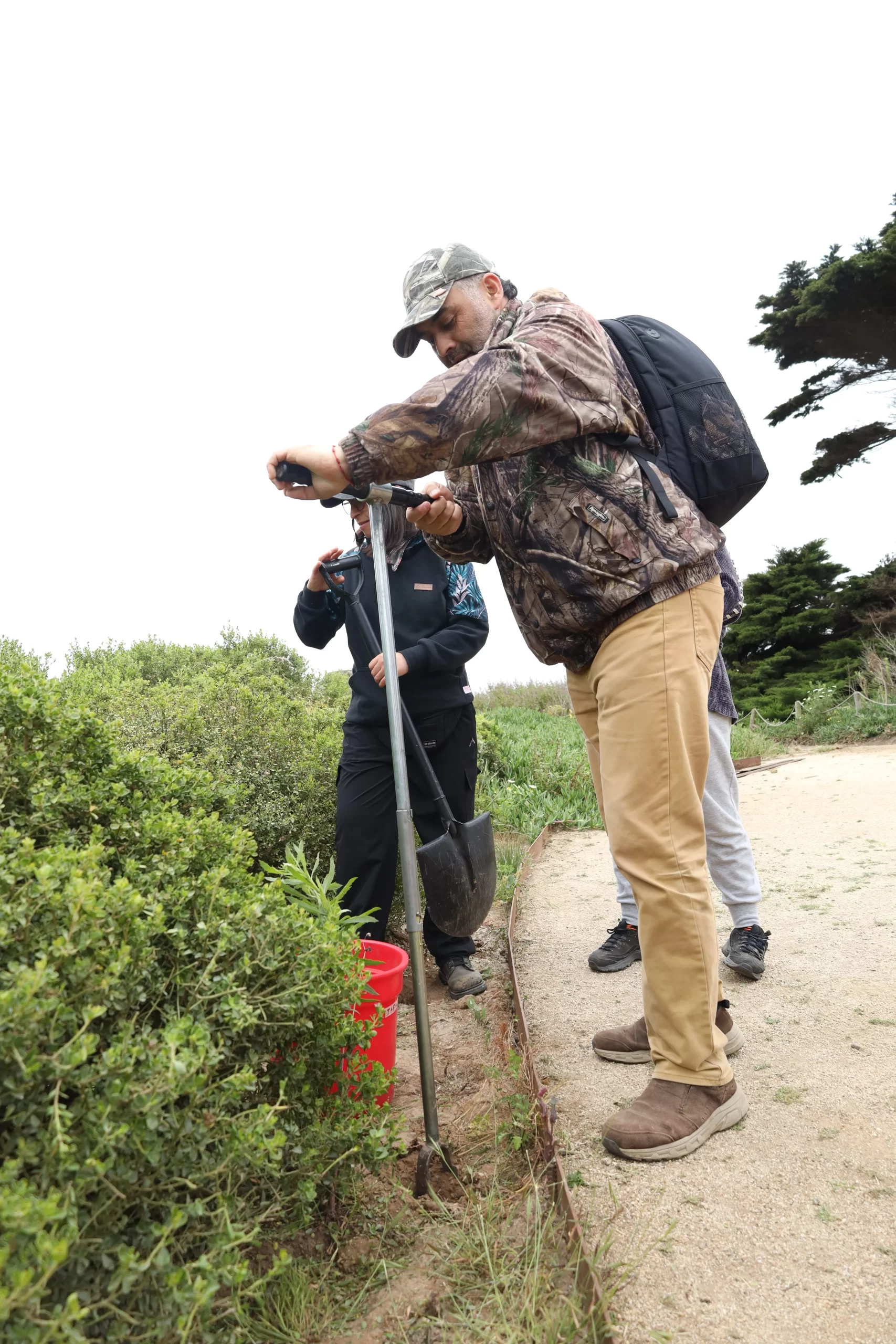
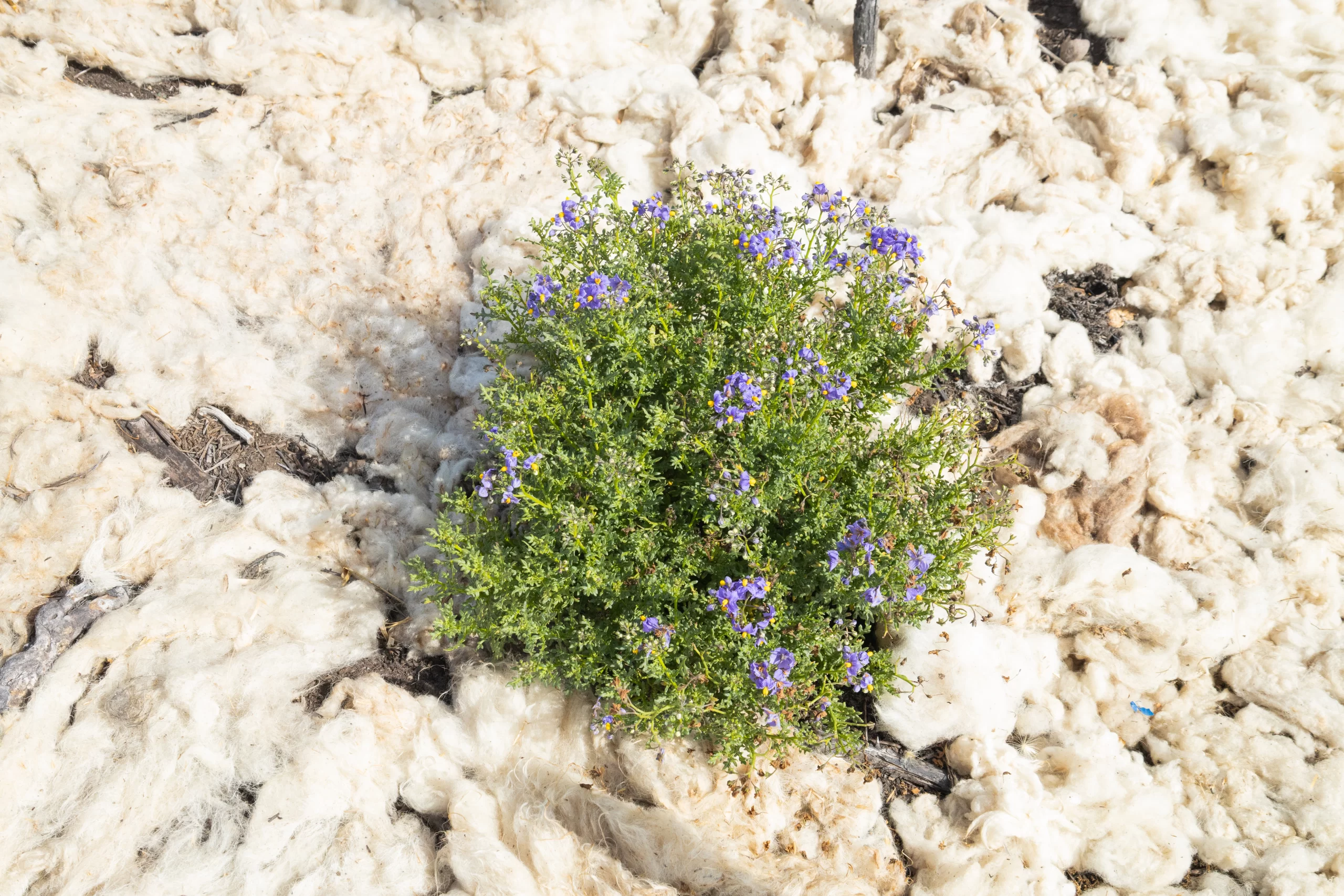
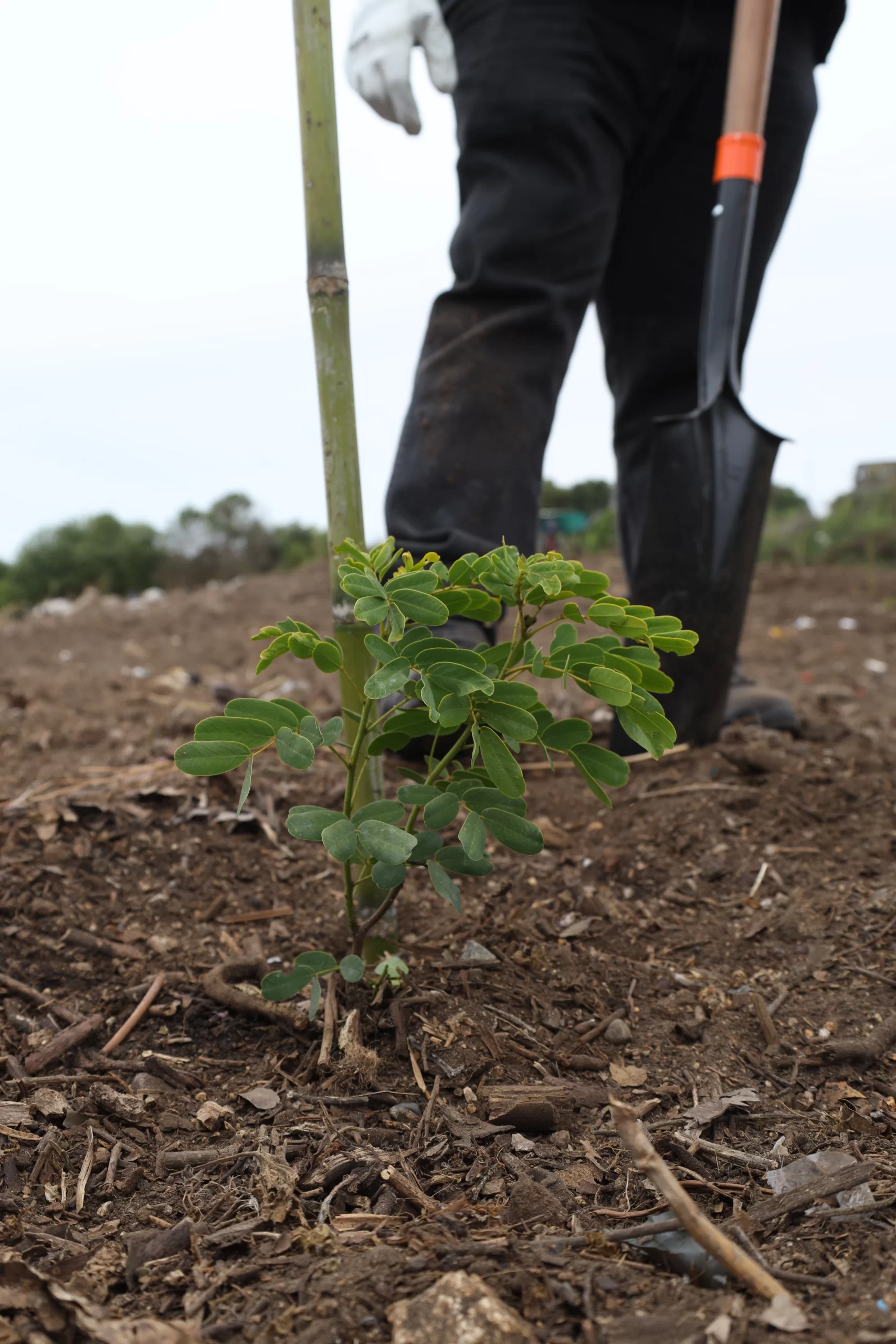
Before being declared a Nature Sanctuary, the wetland had long been a dumping ground for branches, garbage, and debris, which significantly altered some areas of its territory. To address this issue, Fundación Cosmos applied for funding from the Regional Government of Valparaíso to implement the “Comprehensive Socio-Ecological Restoration Recovery Program of the Río Maipo Wetland Nature Sanctuary.” This initiative recognized that the well-being of ecosystems is closely tied to the relationship people have with their environments. It aimed to engage communities with the wetland by involving them in the restoration process and equipping them with tools to jointly rehabilitate three degraded hectares within the Sanctuary. This process included eliminating threats and undertaking environmental restoration.
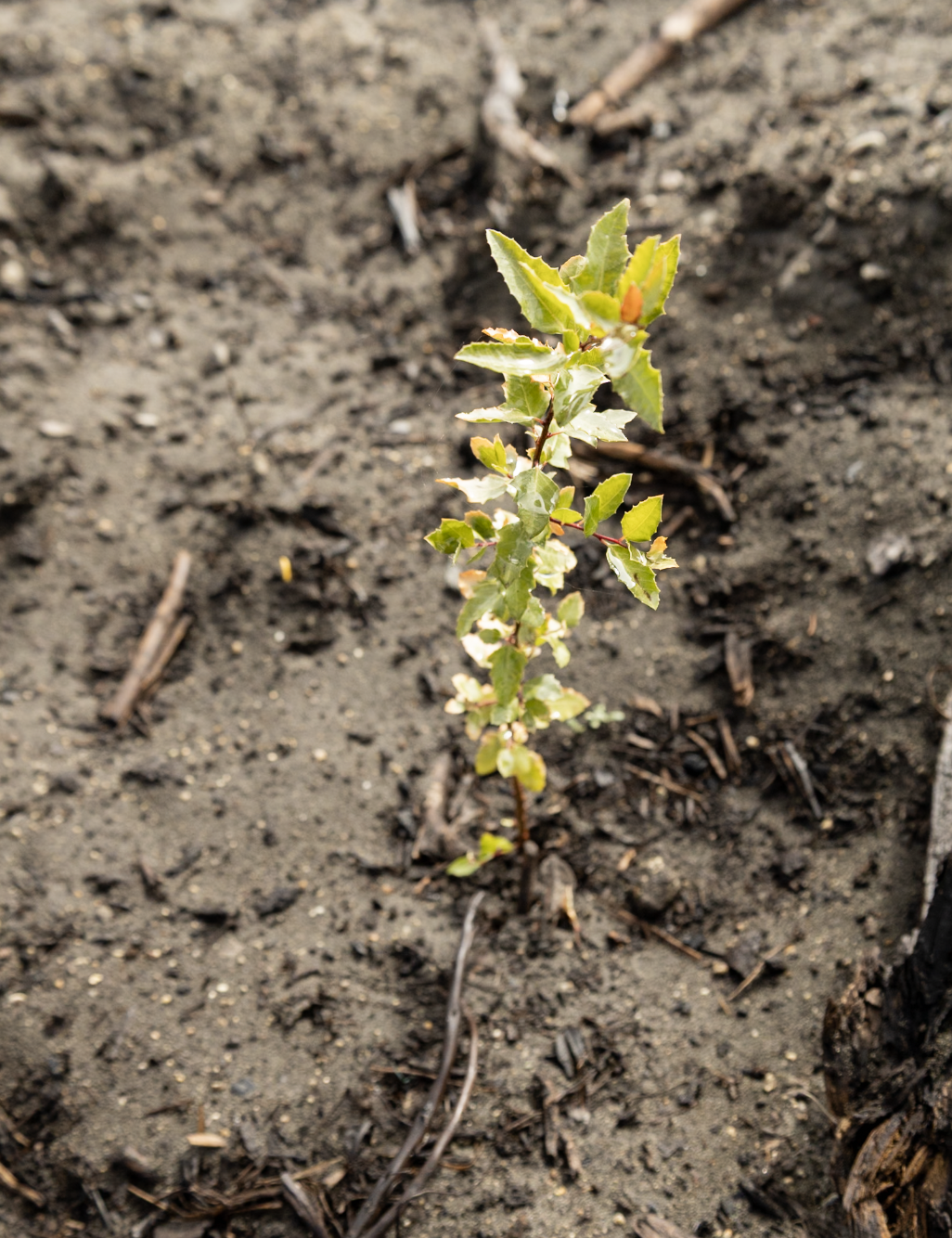
As a result of this project, more than 10,000 cubic meters of garbage, branches, and debris were removed from the wetland. Additionally, over 160 local residents were trained in wetland restoration and enhancement, and more than 2,500 native plants of 37 different species were introduced through various ecological restoration techniques.
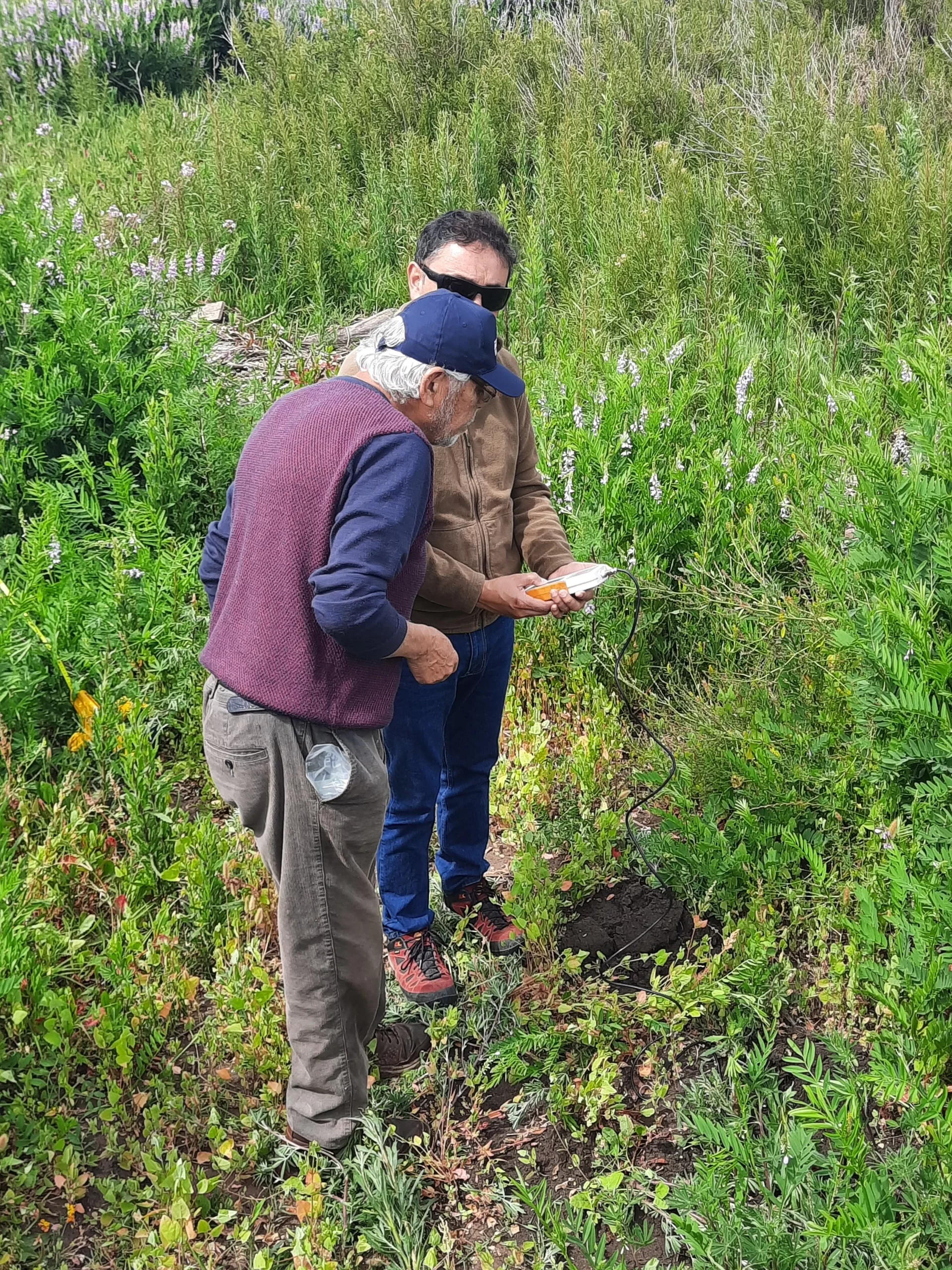
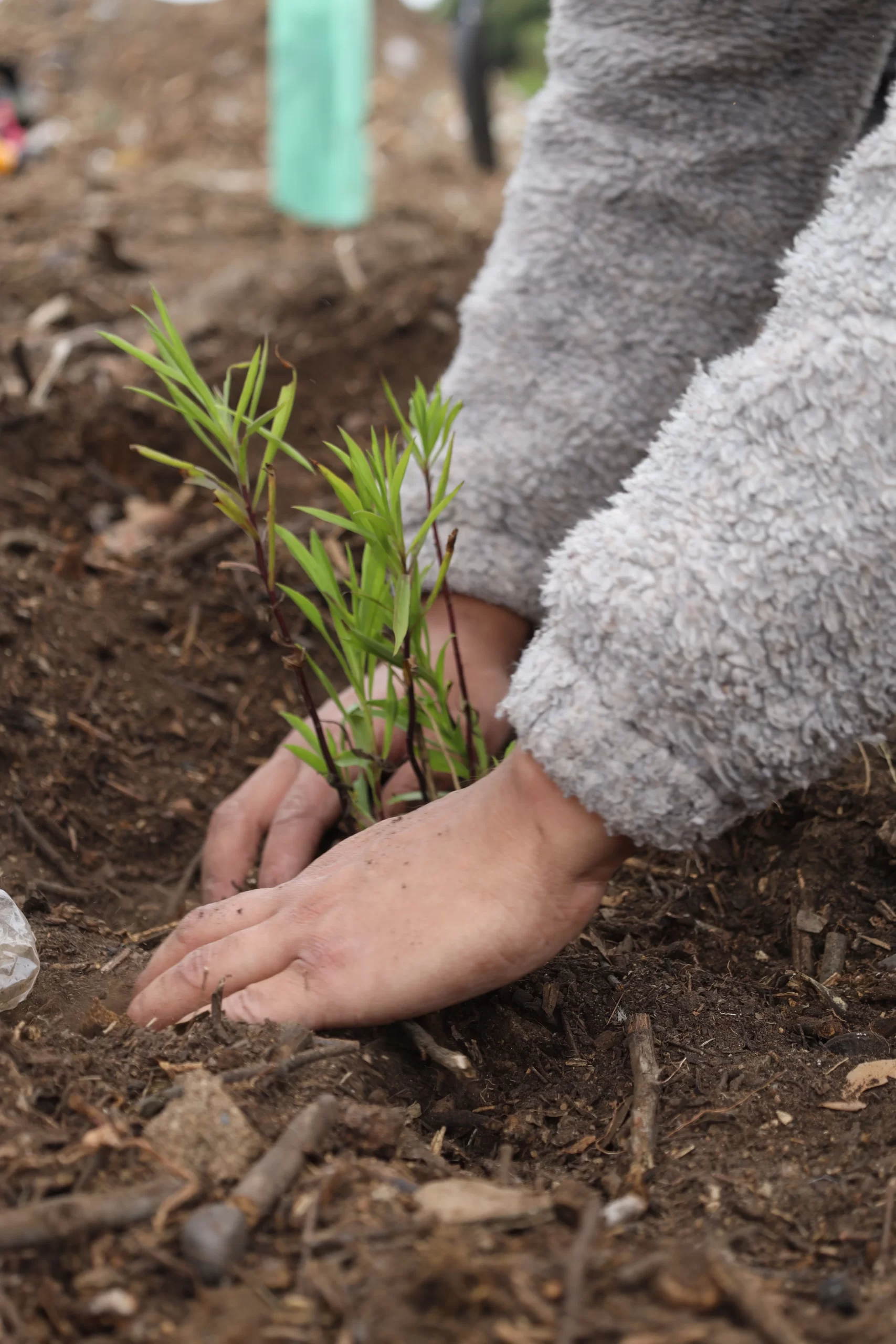
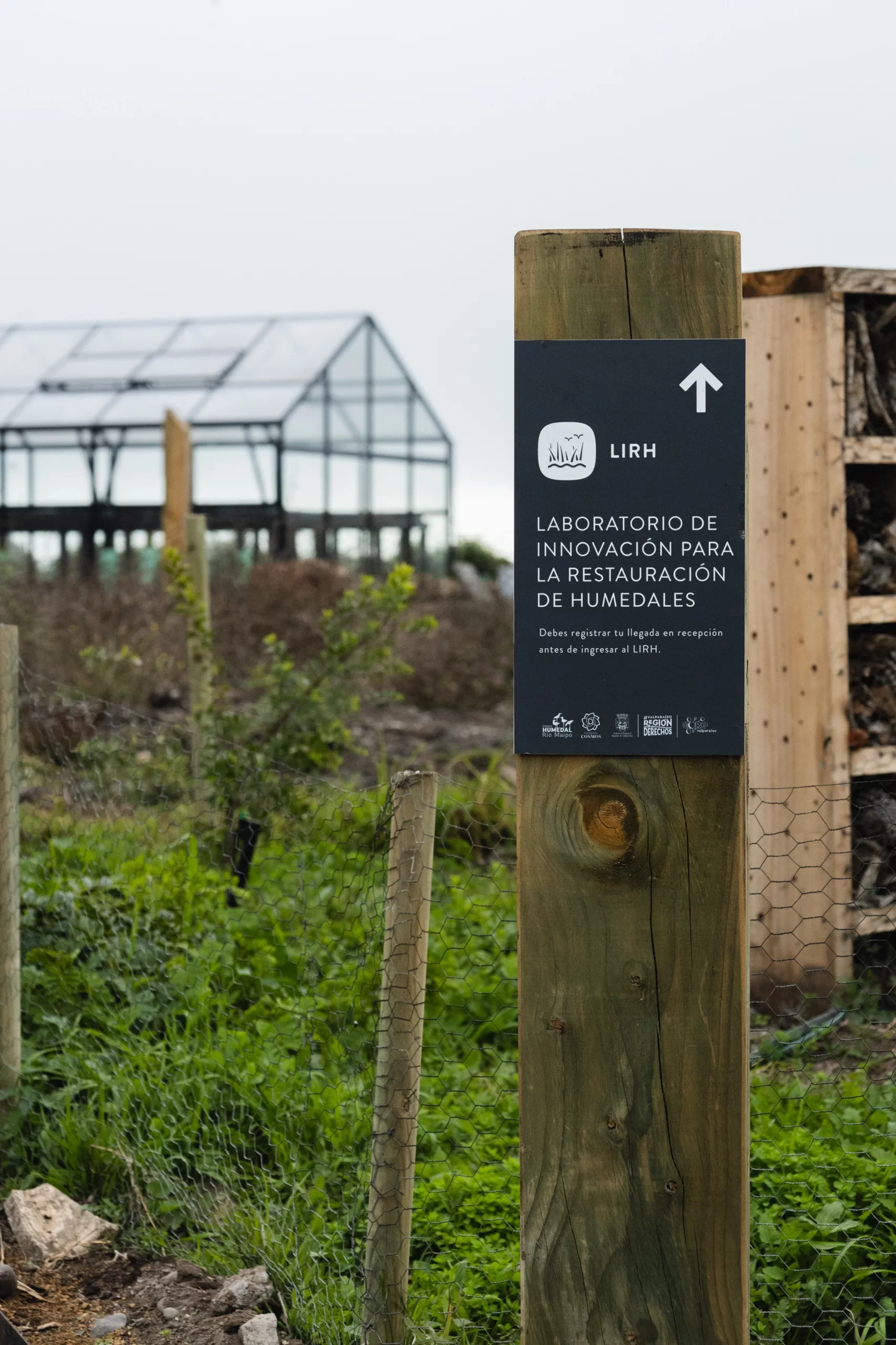
LIRH: Innovation Laboratory for Wetland Restoration
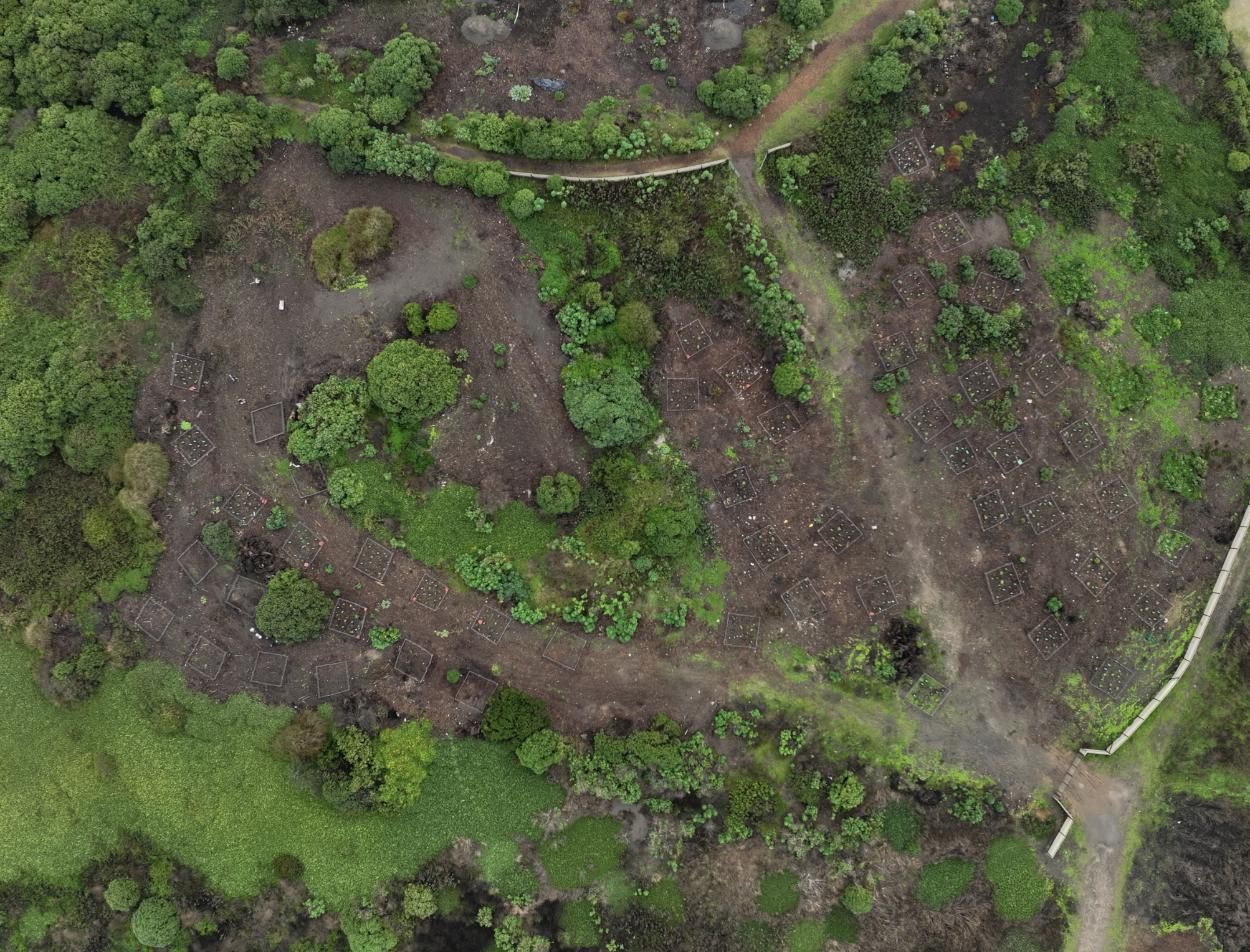
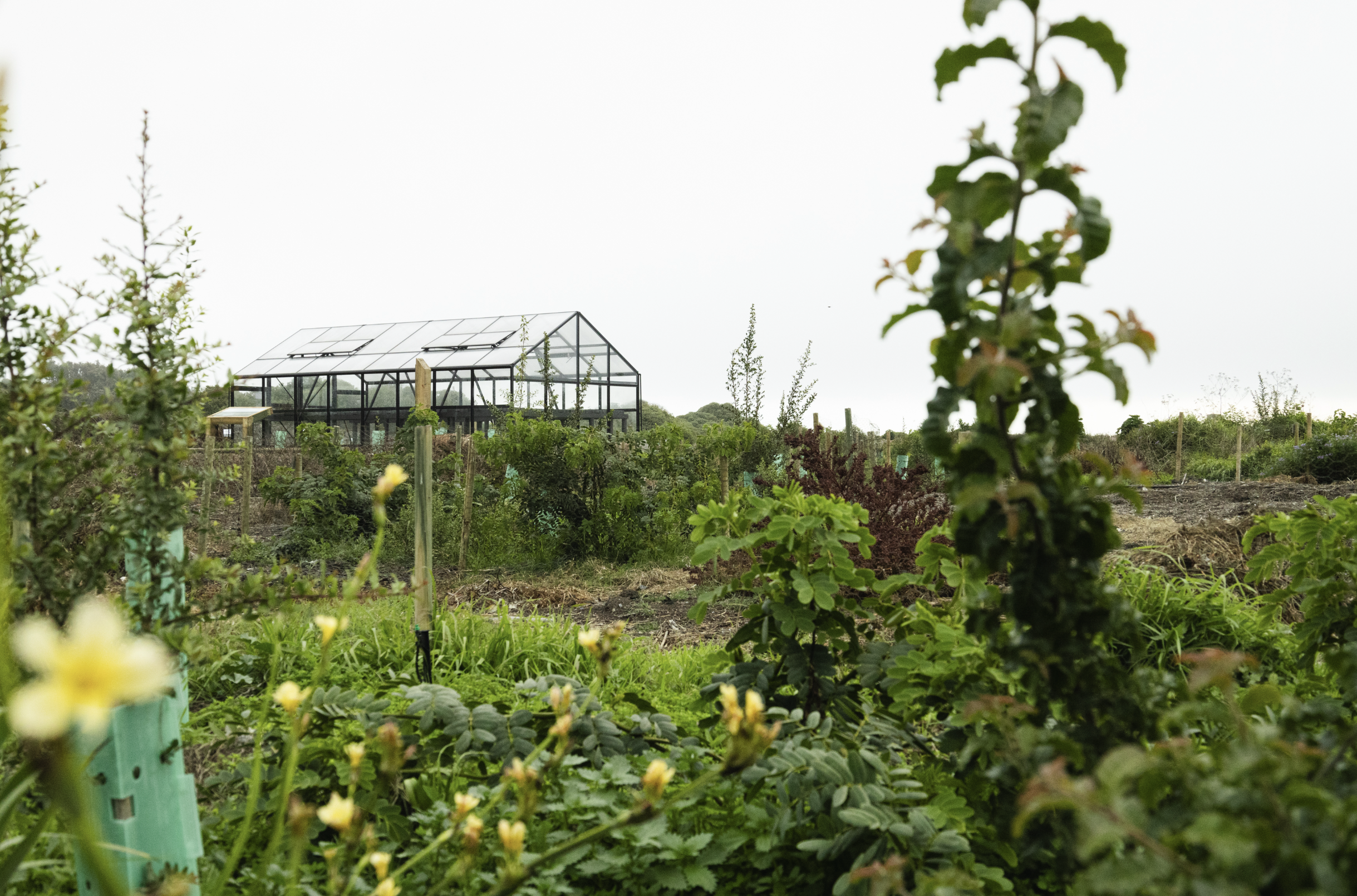
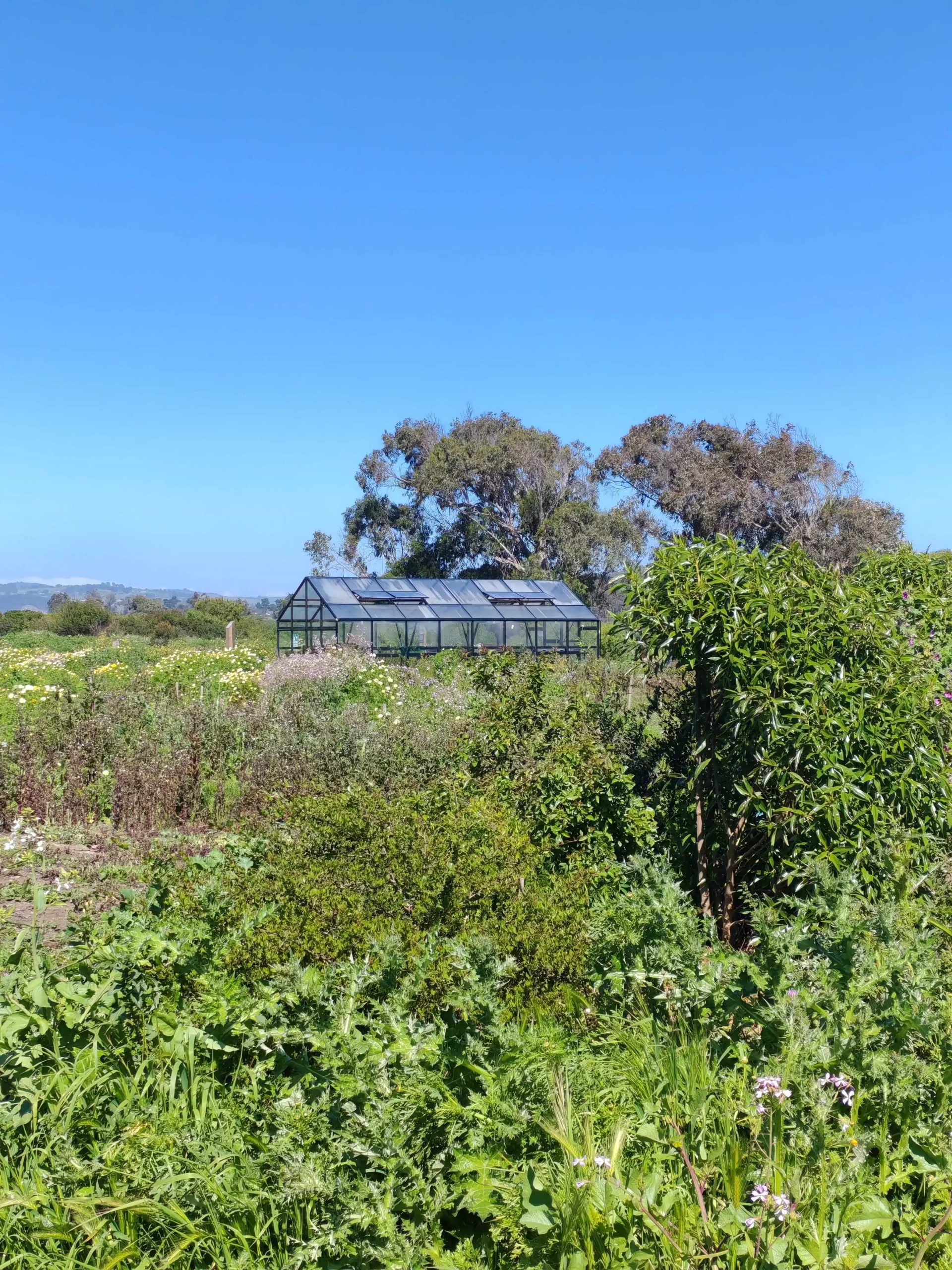
This laboratory is dedicated to the ongoing recovery of degraded areas at the mouth of the Maipo River, a project that originated with the Restoration Program. Its goal is to develop experiences, methodologies, and tools that can be applied in other wetland restoration efforts along the central Chilean coast.
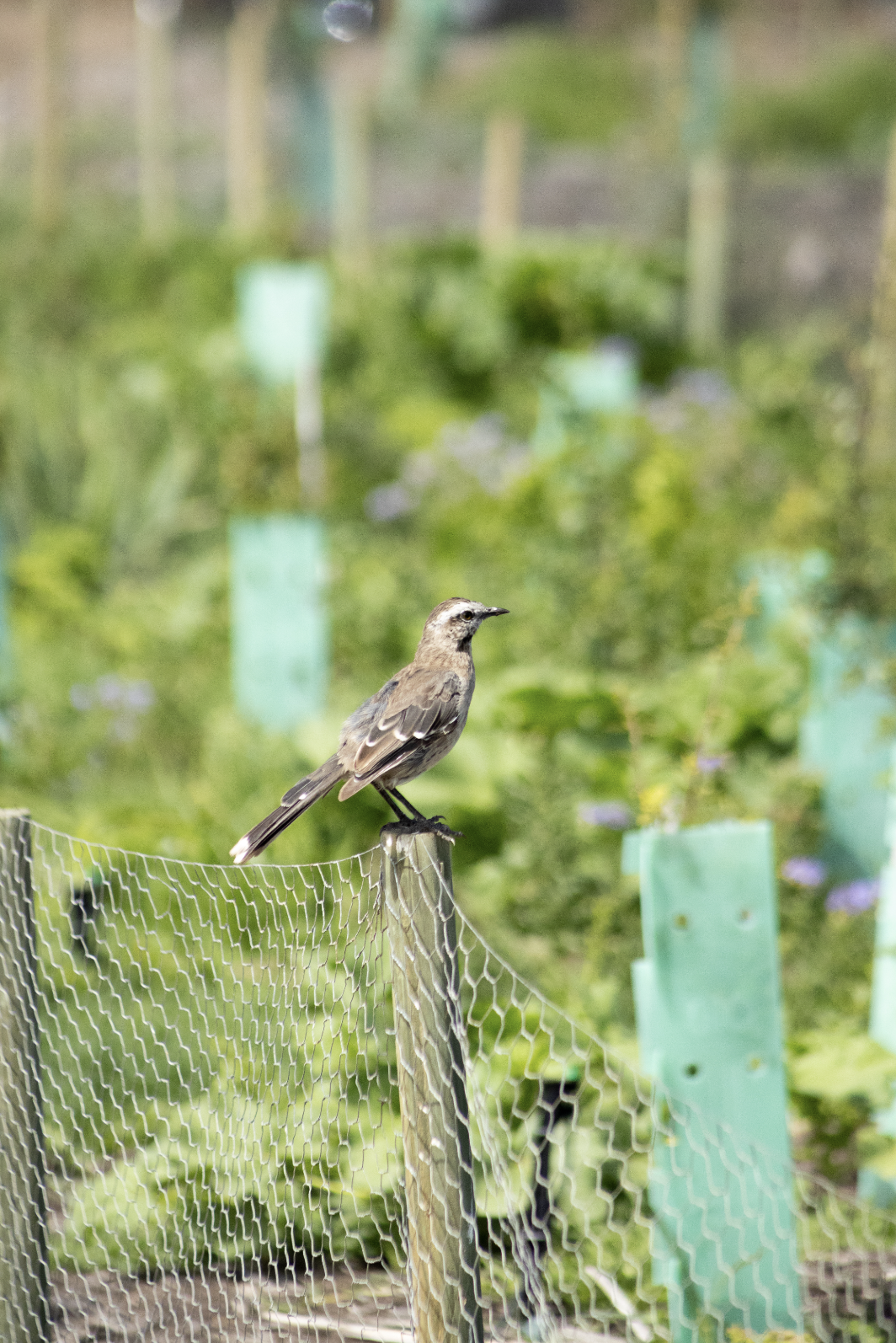
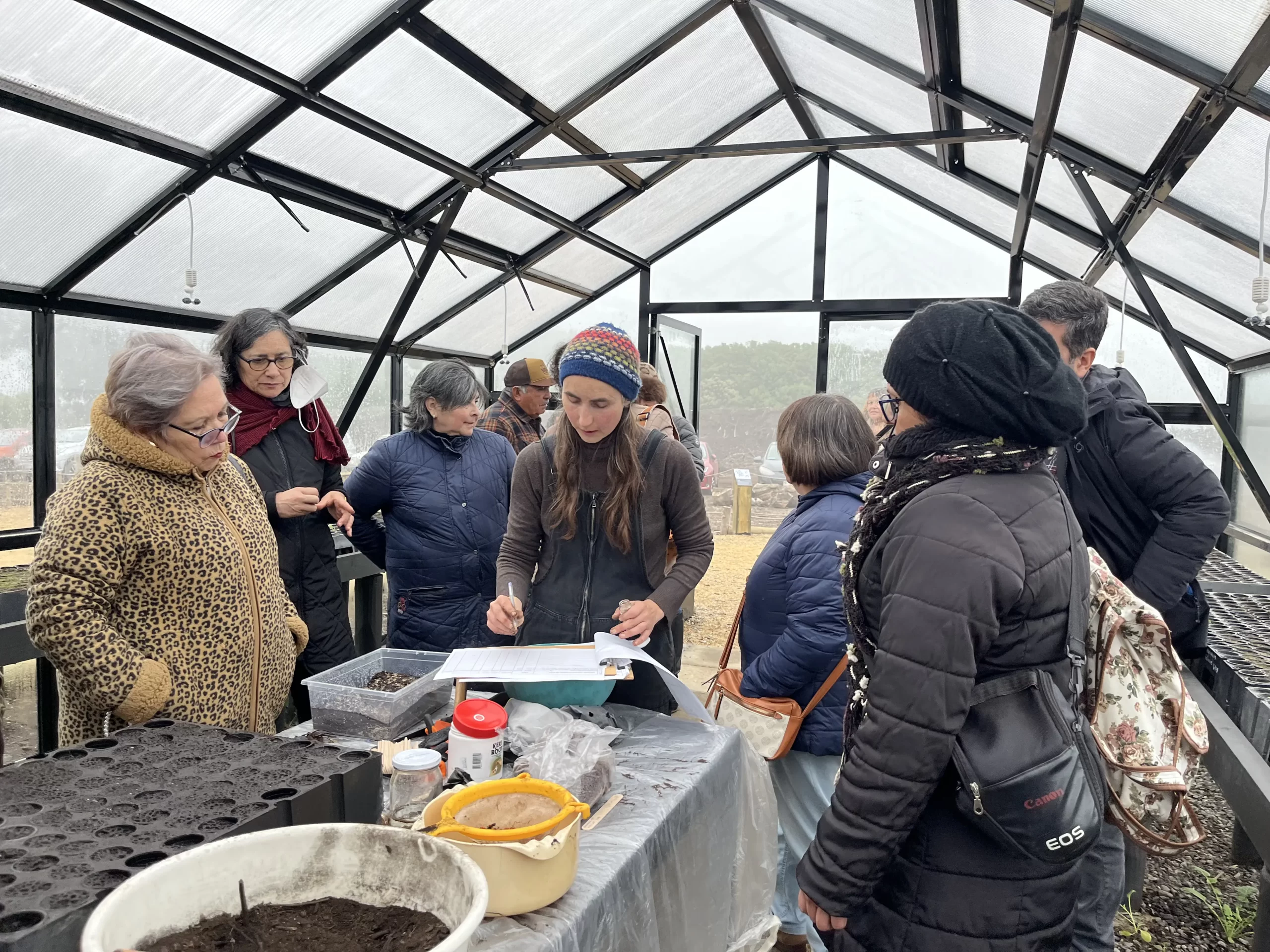
In this facility, various environmental rehabilitation methods are being monitored in collaboration with the community and experts to evaluate their effectiveness. Additionally, the laboratory features a greenhouse that allows us to propagate local seeds, supporting the conservation of native and endemic species in the region. We are germinating these seeds with the intention of planting them in the restoration sites.
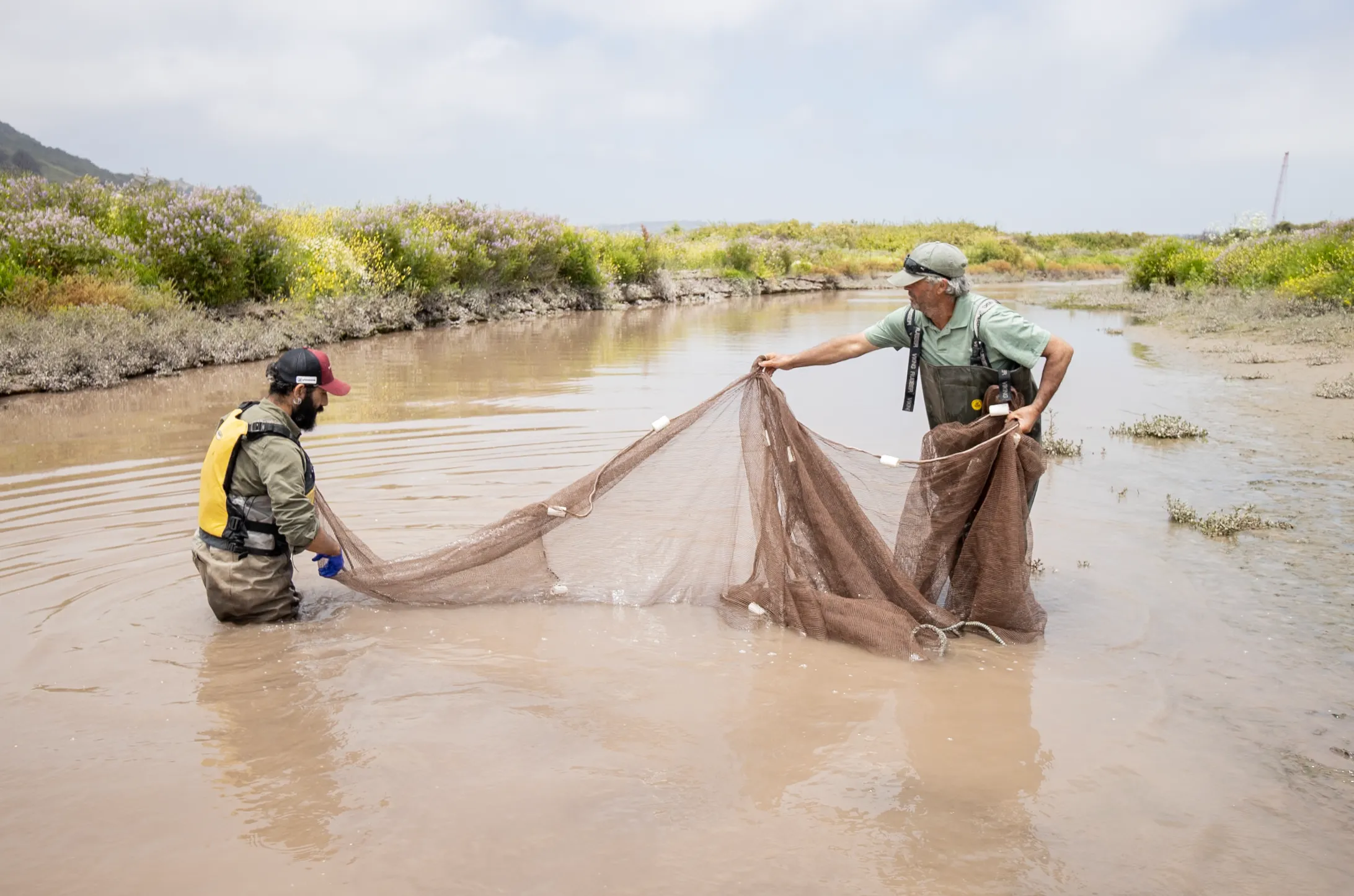
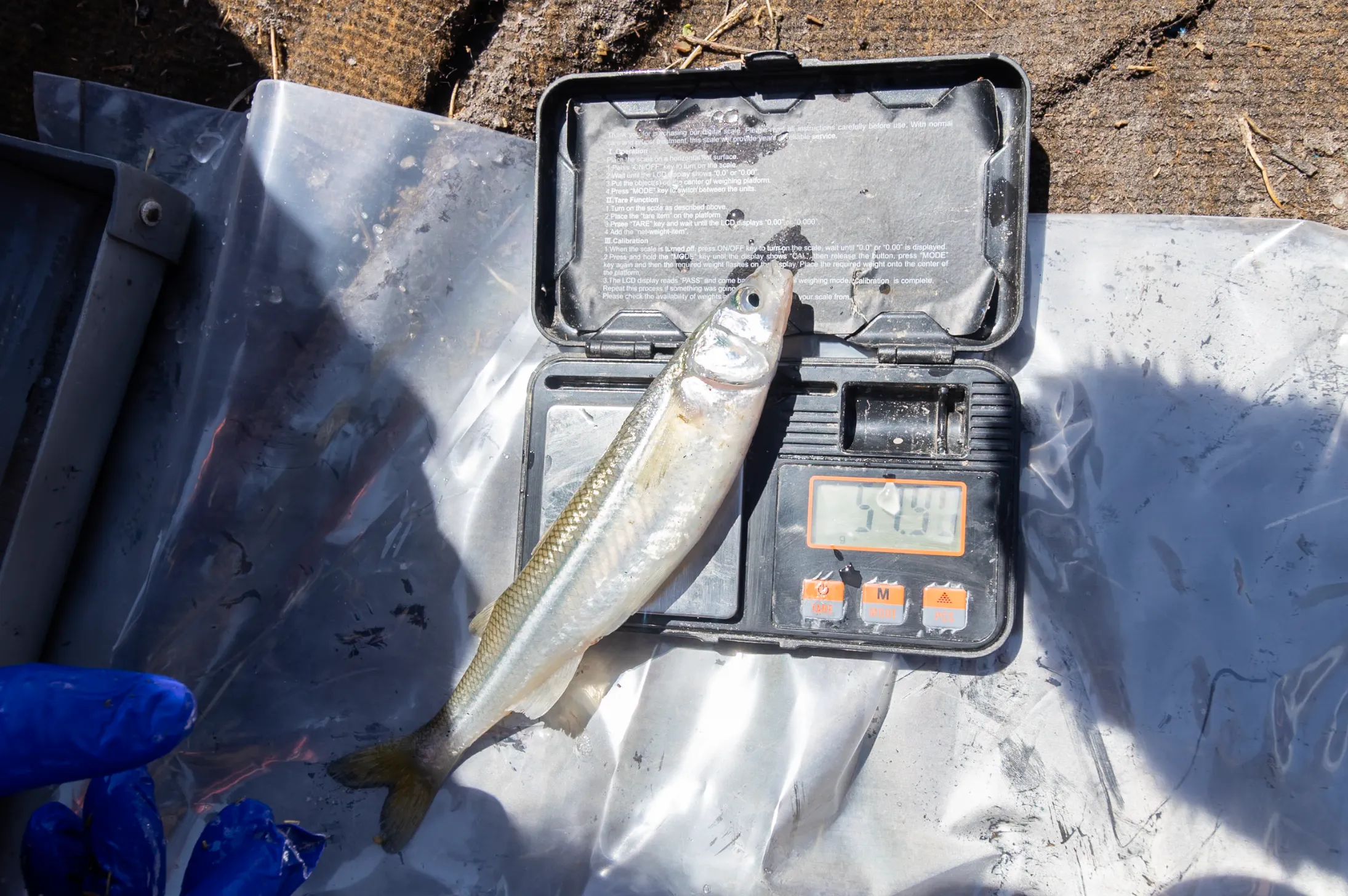
Flow Monitoring and Ichthyofauna Study
In 2023, Fundación Cosmos received an Environmental Protection Fund from the Ministry of the Environment to implement the project titled “Implementation of the Management Plan of the Río Maipo Wetland Nature Sanctuary: Environmental Education and Monitoring of the Río Maipo.”
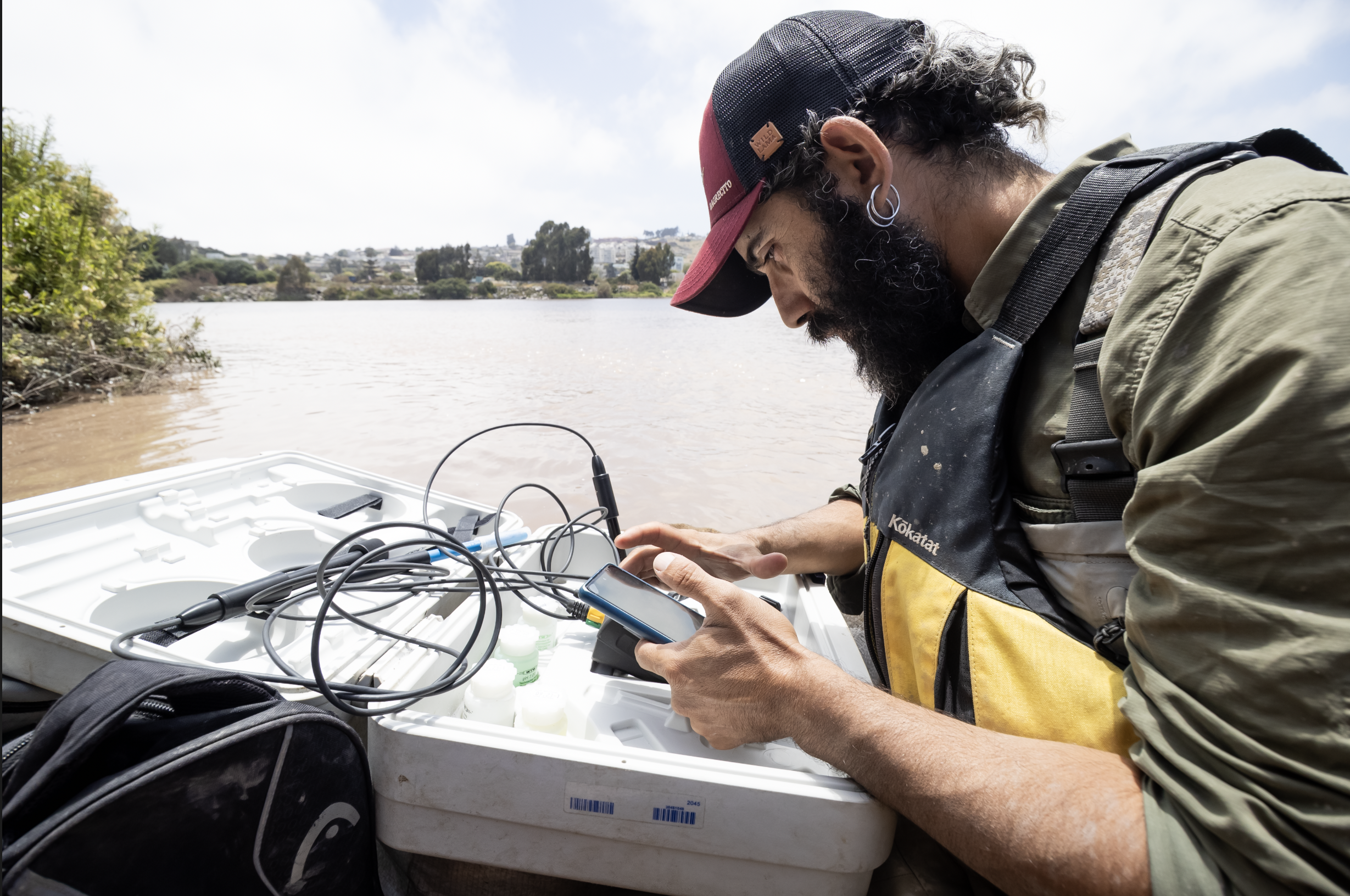
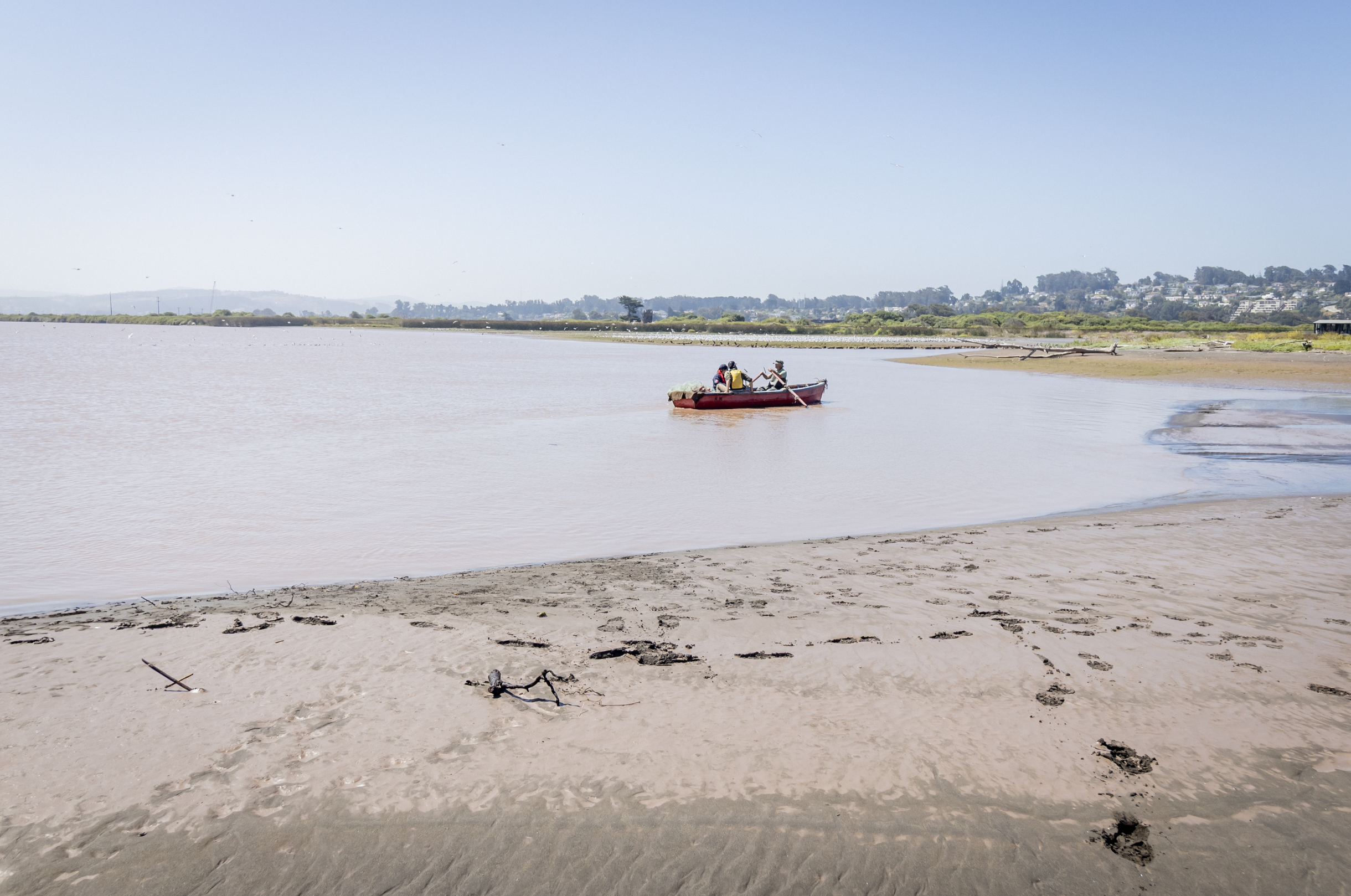
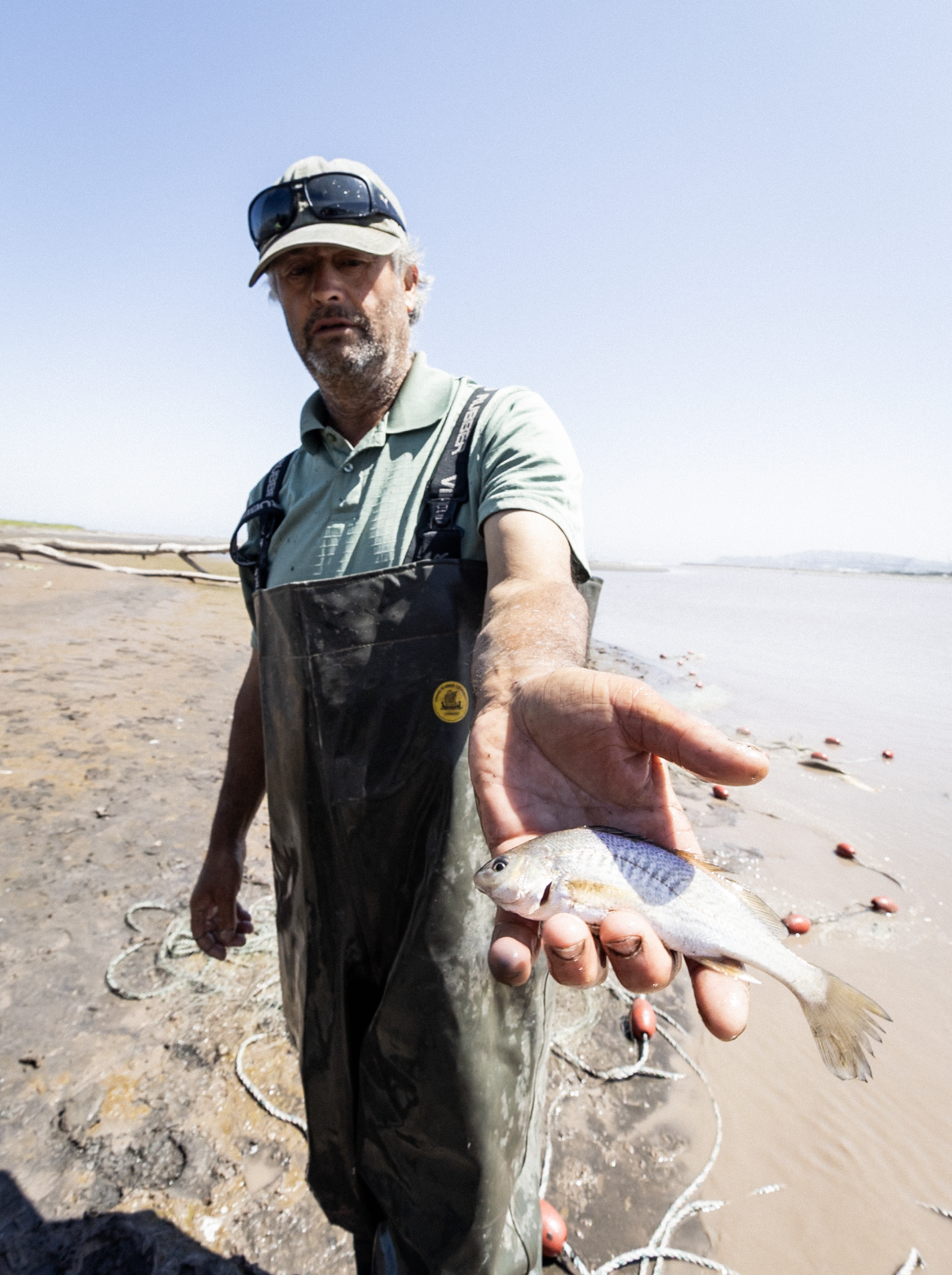
The objective of this initiative is to kick-start the actions outlined in the Sanctuary’s Management Plan, with a focus on conserving the “Estuary Mouth of the Río Maipo.” This will involve participatory monitoring of various physical and chemical parameters of the river, such as flow, salinity, and temperature, as well as studying the fish communities that inhabit this vital ecosystem.
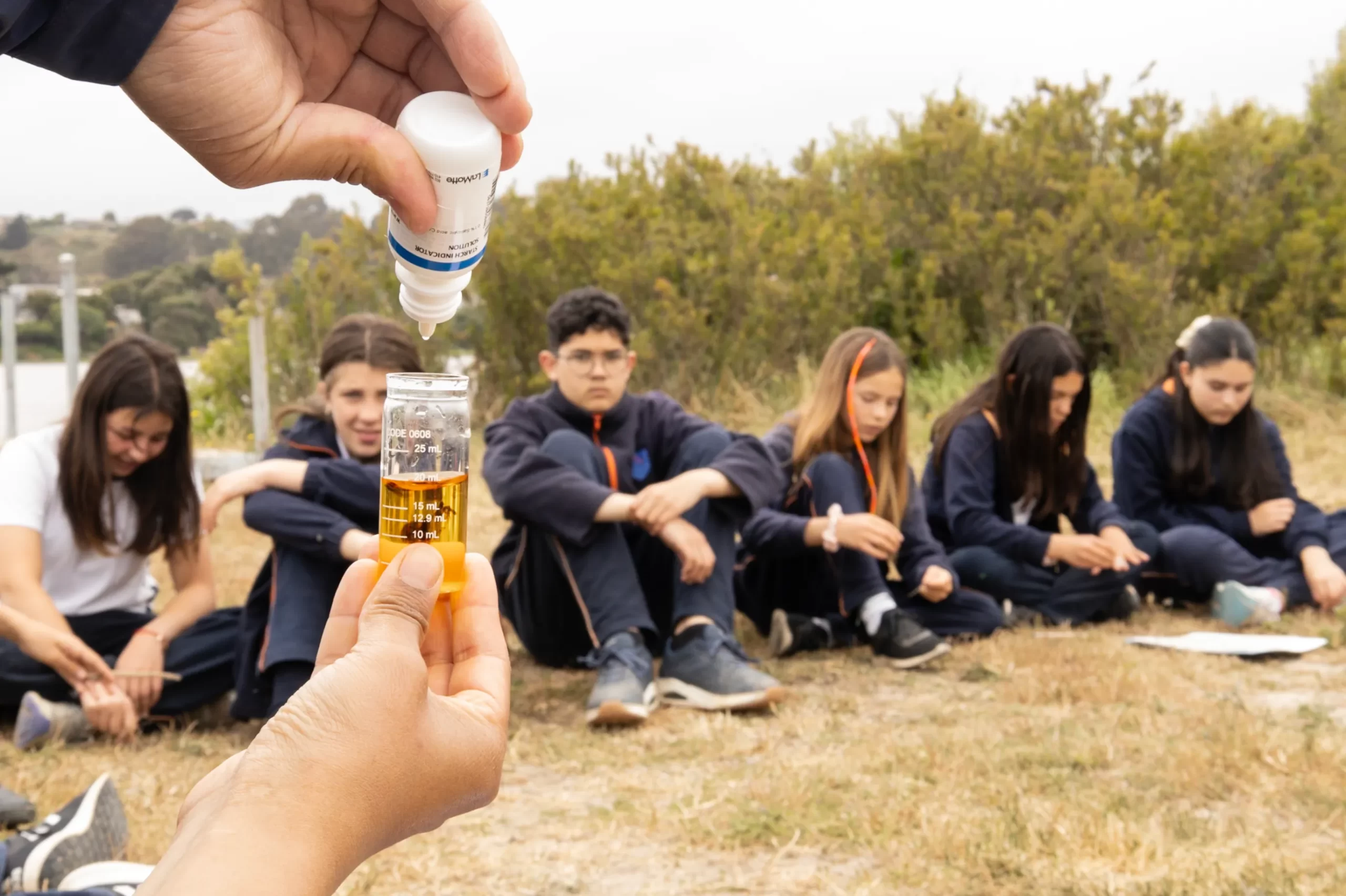
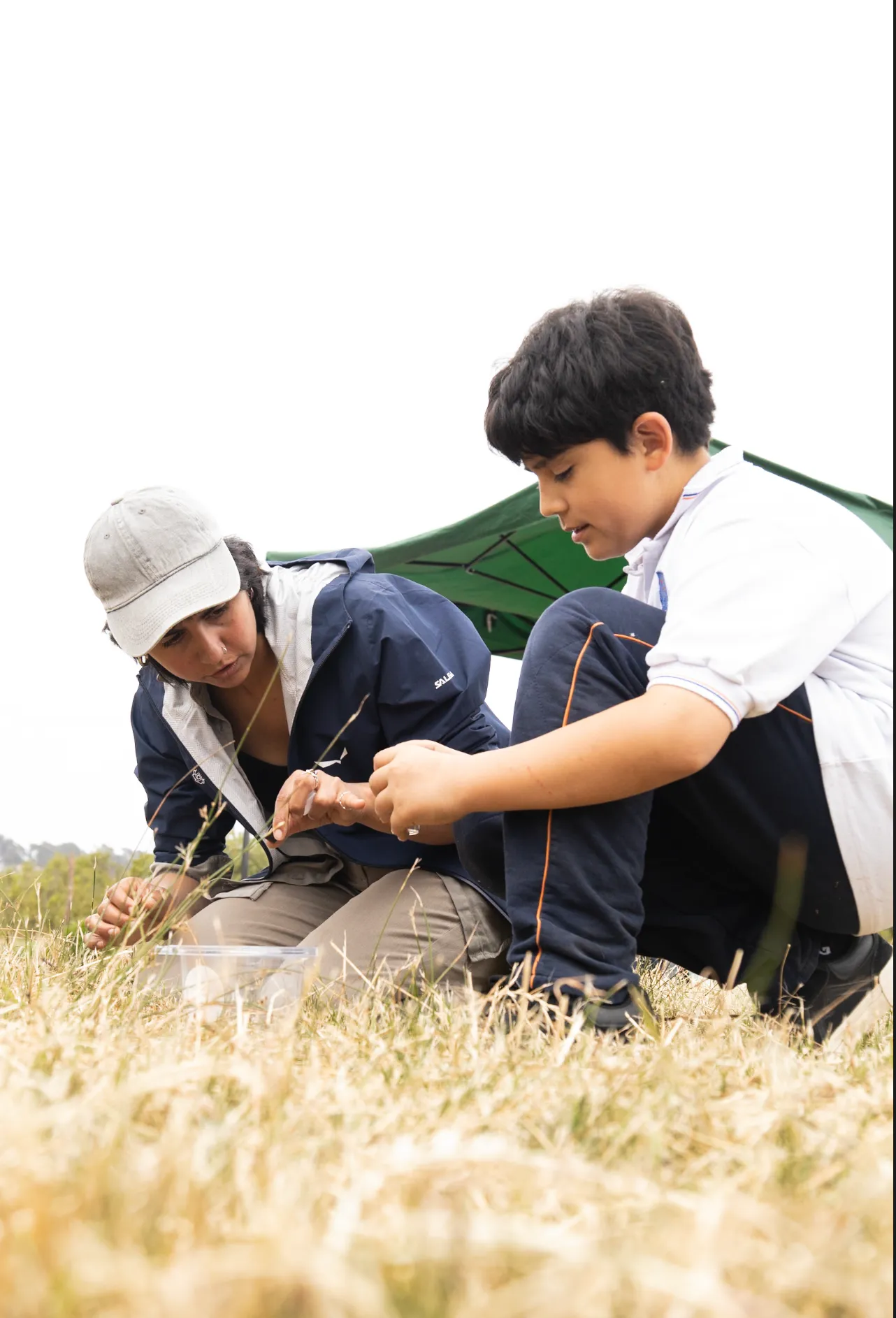
Additionally, we are conducting community-based monitoring of the Maipo River waters using the Global Water Watch methodology. This approach includes biomonitoring of the macroinvertebrates present in the river as one aspect of our efforts.
Studies and Monitoring Using Camera Traps
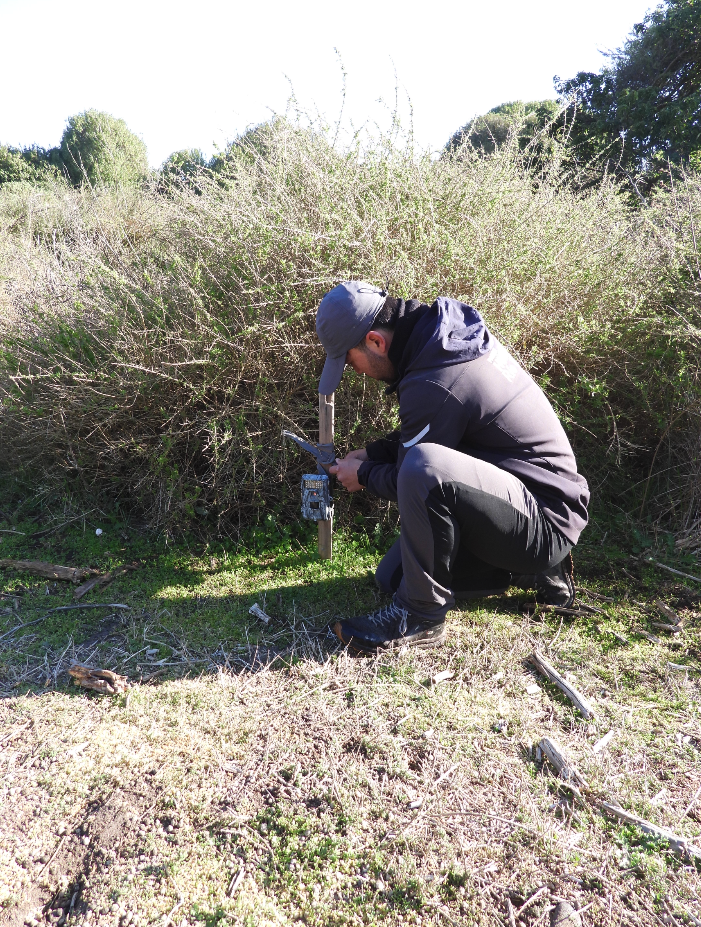
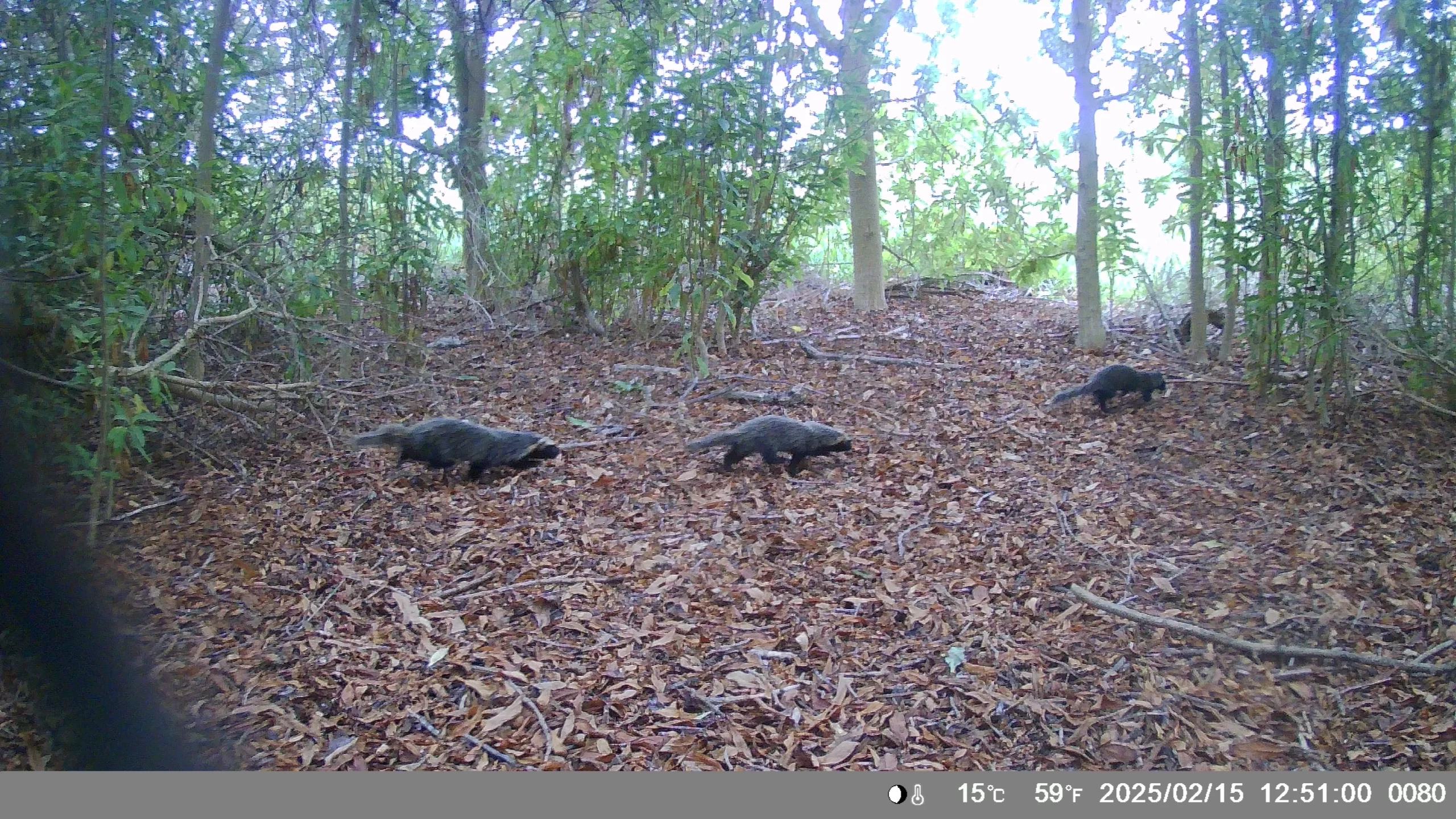
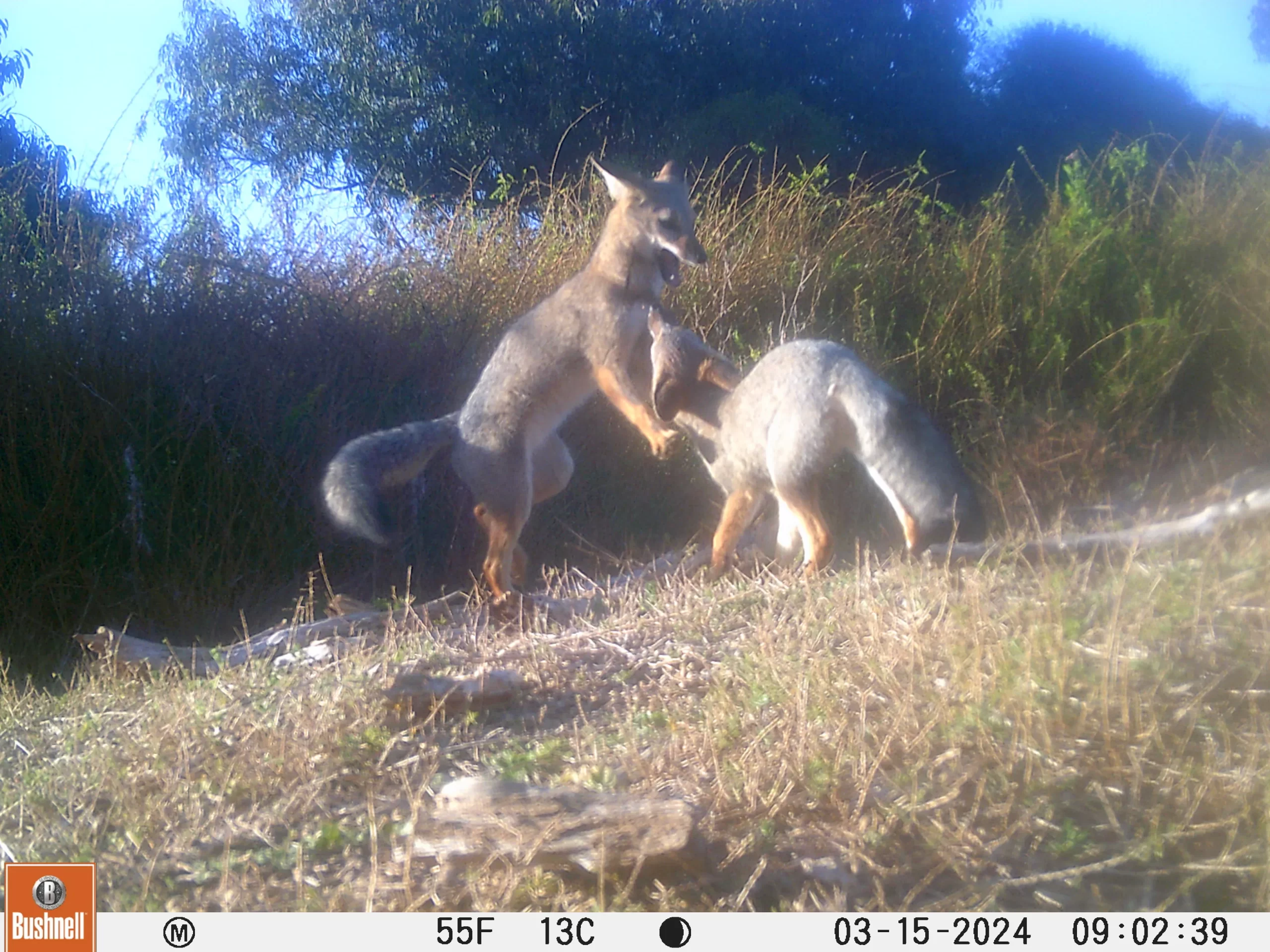
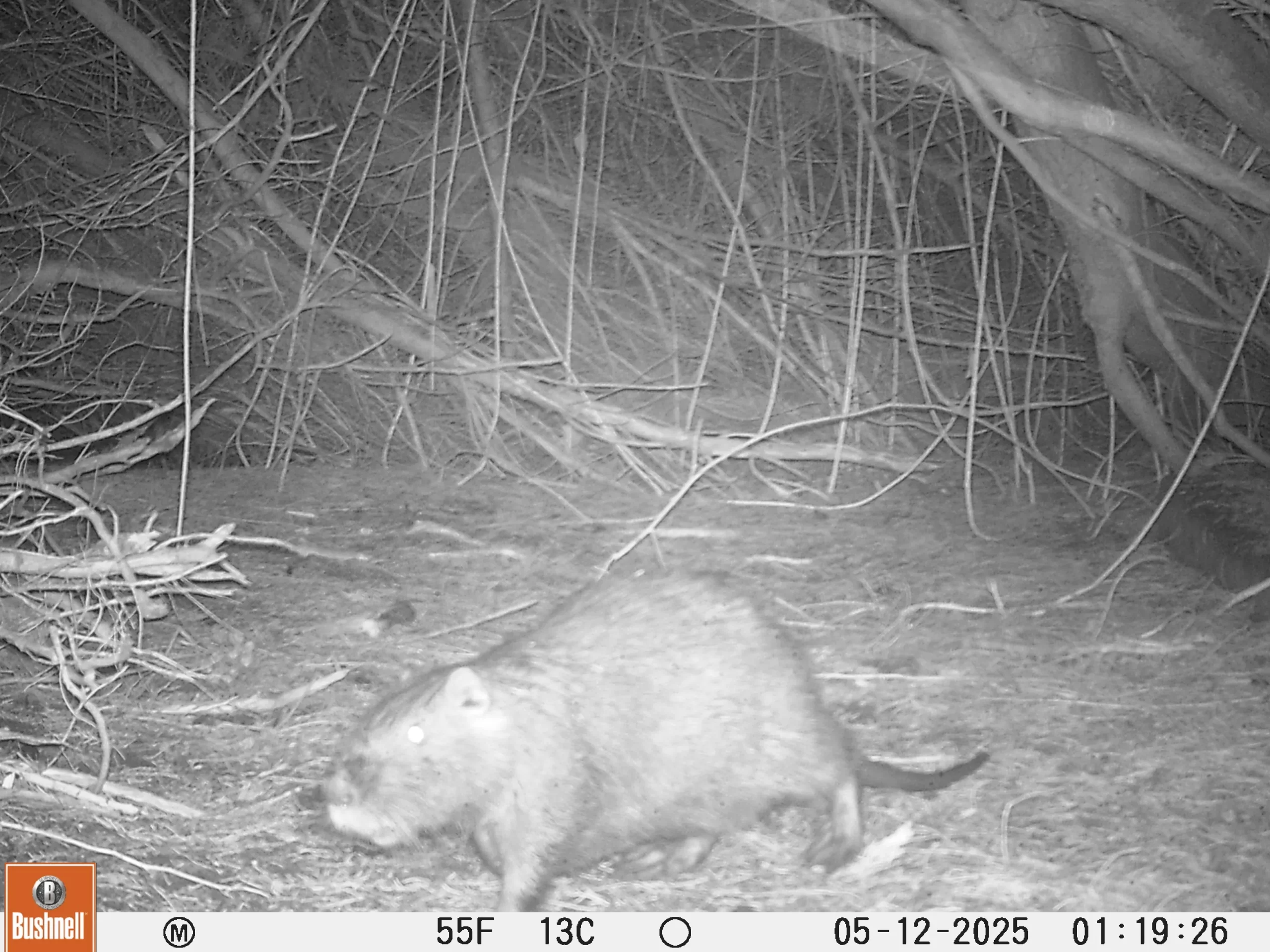
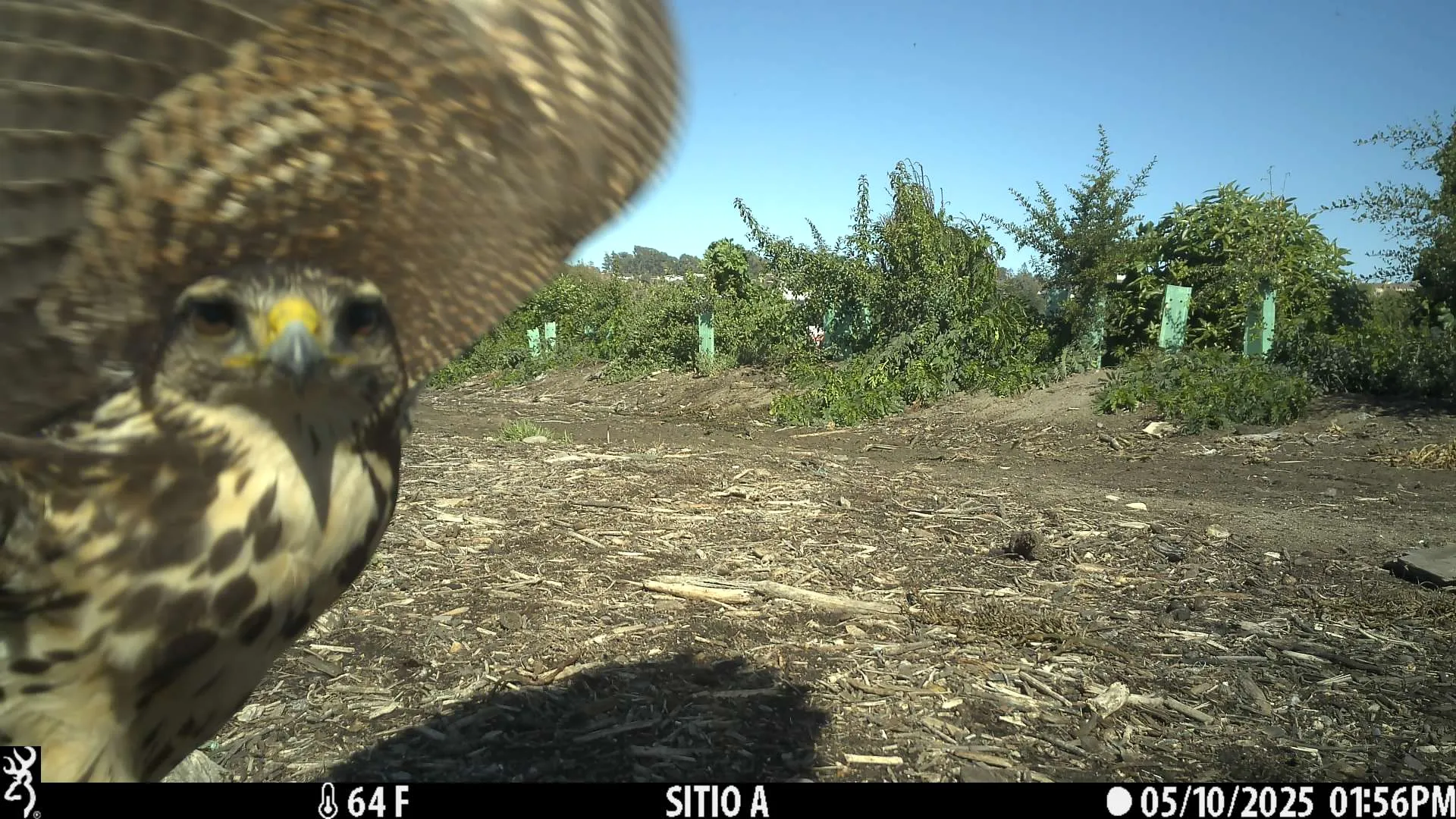
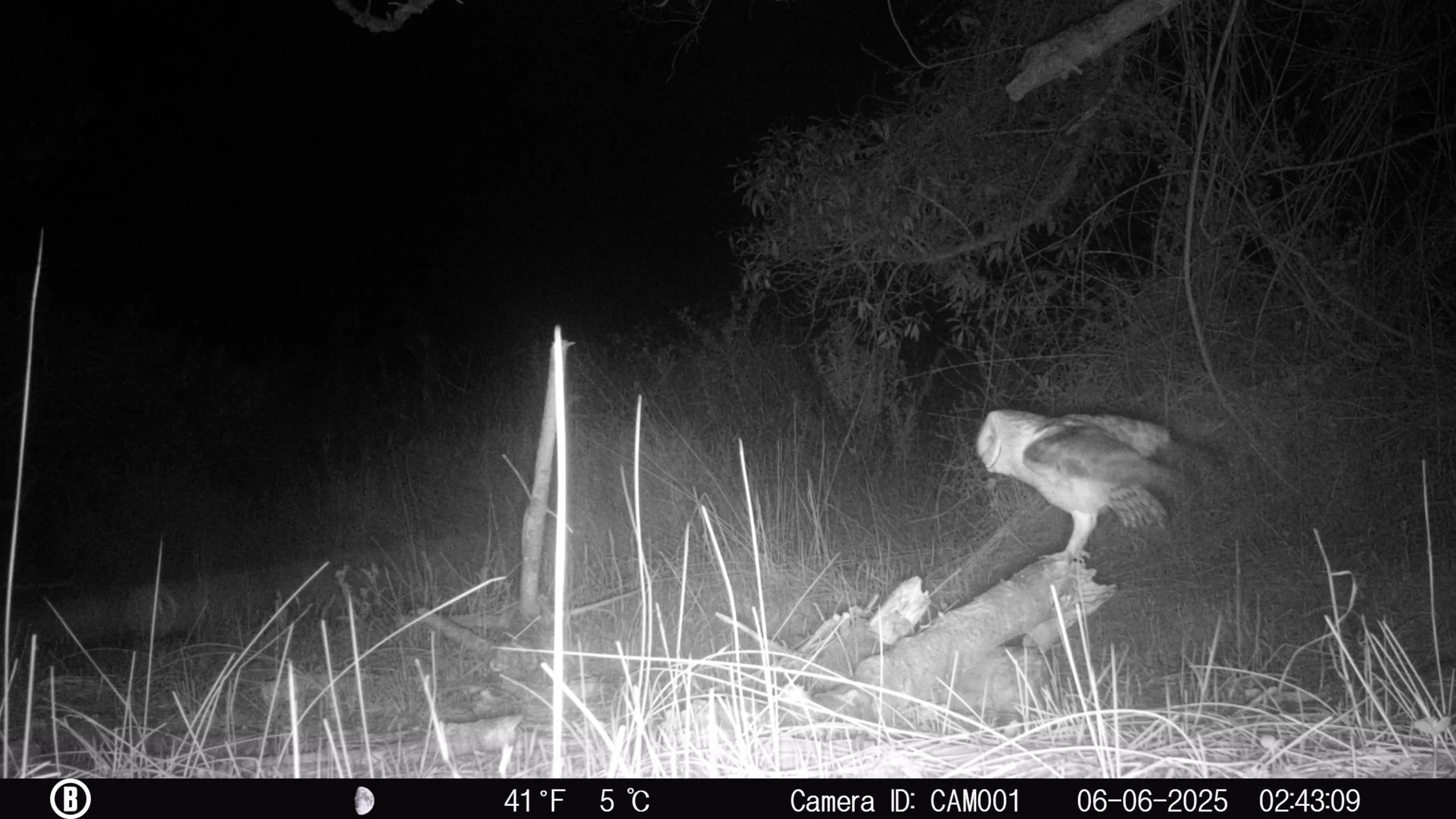
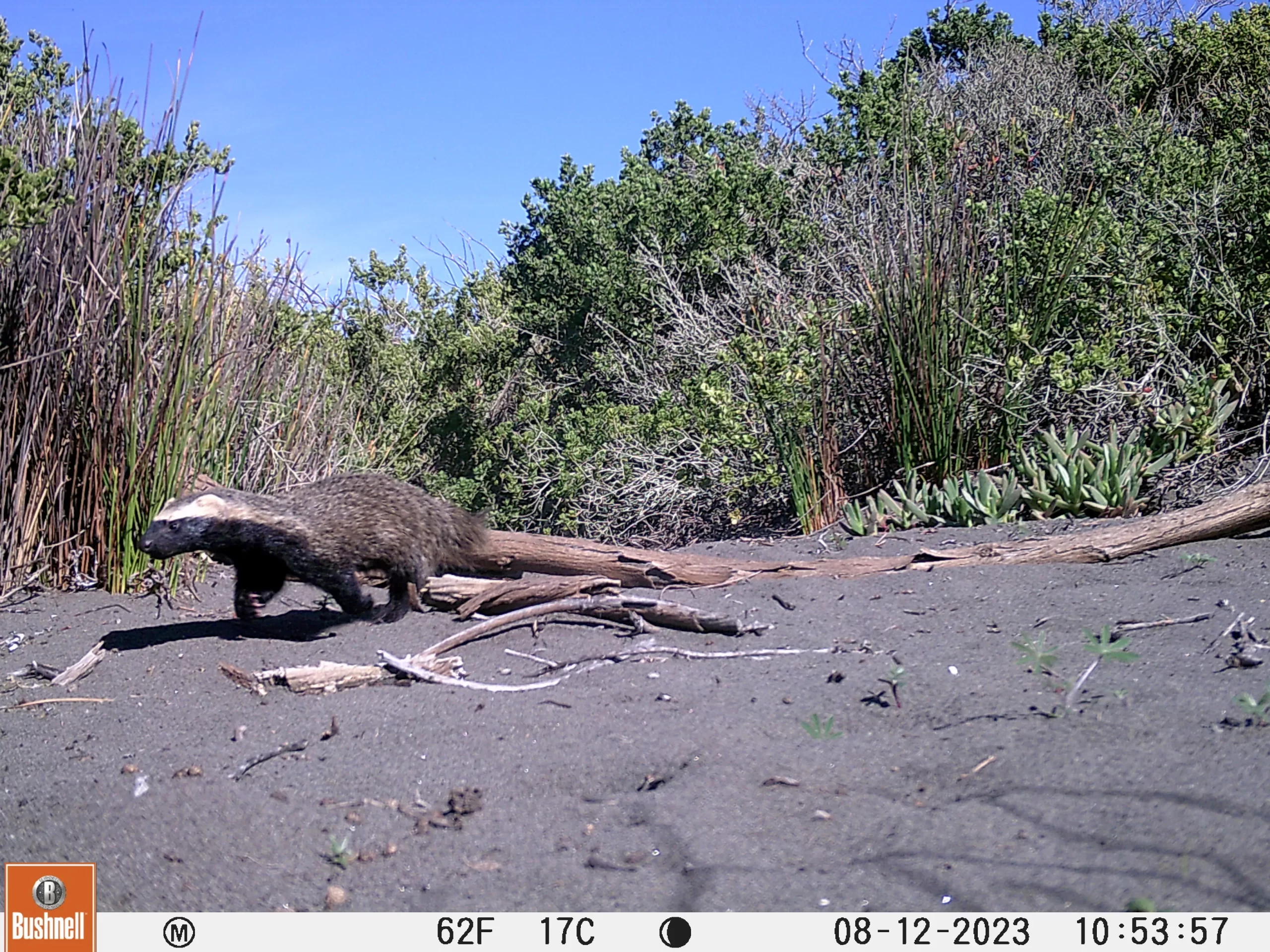
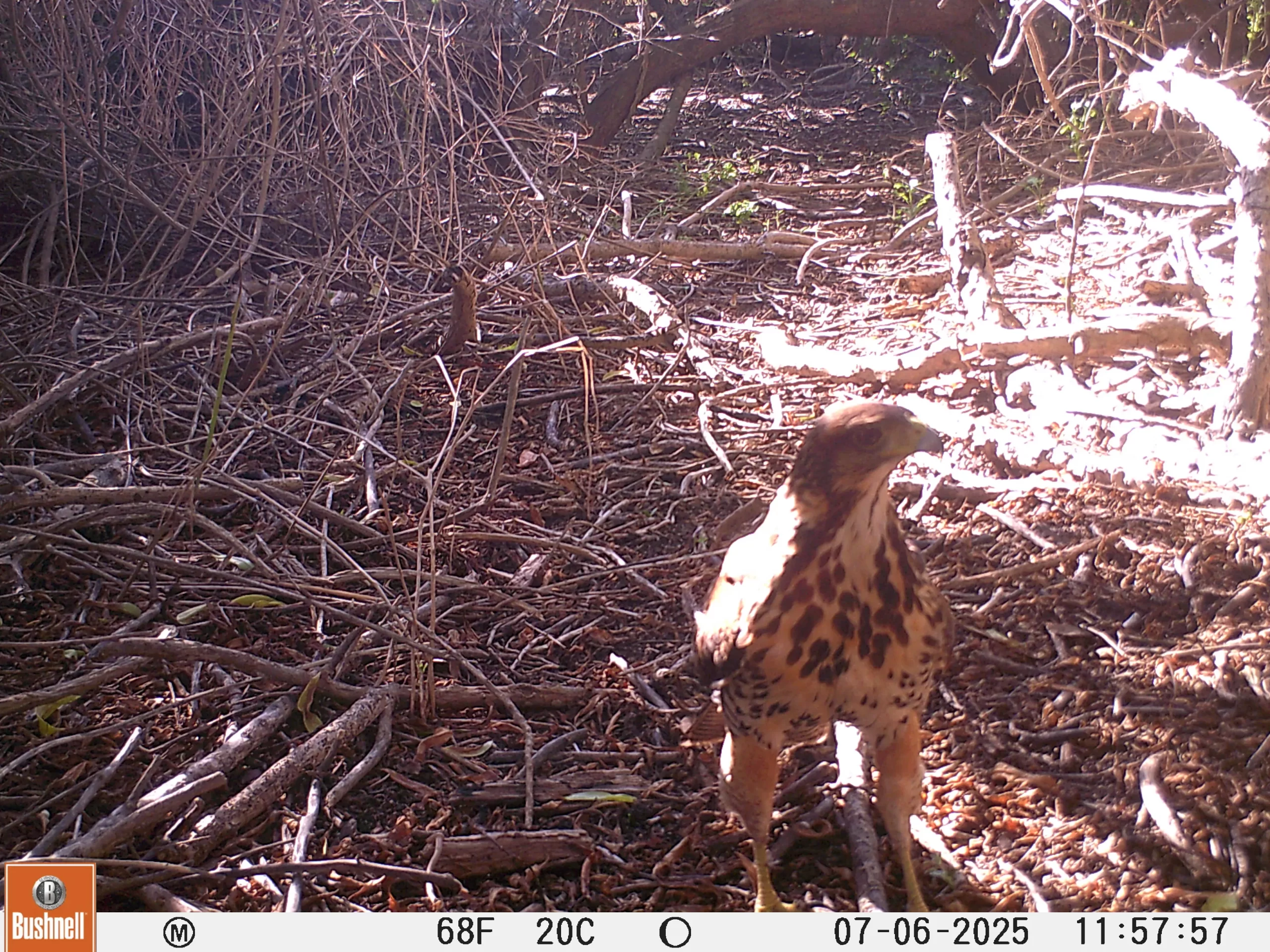
The Sanctuary is equipped with 10 camera traps placed in various habitats throughout the ecosystem. These traps help us monitor the diversity of species inhabiting this area, particularly terrestrial vertebrates that are often difficult to observe directly. By analyzing the collected data, we can identify potential threats to these species and design effective conservation measures.
- Conservation
- Community Connection
- Environmental Education